WFP Launches Emergency Aid for Displaced Families Amid Ongoing Border Conflicts
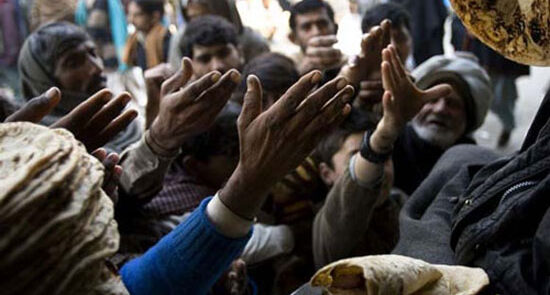
The World Food Program (WFP) has commenced its emergency relief efforts for more than 20,000 displaced families due to border conflicts between the Taliban and Pakistan. Official statistics indicate that 115,000 individuals have been displaced and dozens of civilians have lost their lives in these tensions…
Initiation of Aid Operations for Displaced Persons in Border Conflicts
The World Food Program (WFP) has announced the launch of food aid distribution to over 20,000 Afghan families who have been forced from their homes due to recent clashes between Taliban border forces and Pakistani troops. According to reports, these affected families will initially receive fortified biscuits and ready-to-eat food packages to address immediate hunger. The international organization has emphasized that in the coming weeks, additional assistance will include essential food supplies and cash aid for these individuals.
Widespread Displacement and Civilian Casualties in the East
The Norwegian Refugee Council, in its latest report, has highlighted the extensive dimensions of this crisis, noting that since February 26, more than 115,000 people have been compelled to flee their primary living areas due to escalating conflict. Simultaneously, the United Nations has expressed deep concern over the humanitarian situation, confirming that at least 75 civilians have been killed and another 193 injured during the fighting. These numbers underscore the heavy human cost imposed on local residents by the border tensions.
Critical Situation for Children and Disruption of Essential Services
Save the Children has revealed alarming statistics, reporting that approximately 68,000 children in eastern Afghanistan have been displaced due to this violence. The organization has warned that due to recent insecurity, vital activities in health, nutrition, and education have been disrupted for over 134,000 individuals. Nevertheless, the WFP stated in its announcement that despite serious security risks, it has managed to resume operations in key sectors of the border areas to prevent a larger humanitarian catastrophe.
International Warnings and the Need for Diplomatic Solutions
Jean Elie, head of the WFP in Afghanistan, cautioned that the continuation of instability could push millions of Afghans, who are already struggling with poverty, towards deeper hunger. The United Nations previously noted that nearly 20 million people in Afghanistan require humanitarian assistance. In this context, Georgette Gagnon, head of the UNAMA office, called during a Security Council meeting for an immediate cessation of hostilities and resolution of disputes through diplomatic channels to avert further economic and human loss.
-

Taliban Intensifies Pressure on Afghanistan’s Shia Community: Educational Institutions Targeted
-
Funding Crisis Threatens Women’s Organizations in Afghanistan
-
Clashes Erupt in Kamdish as Taliban and Afghanistan Freedom Front Engage in Heavy Fighting
-
Herat’s Trade Boom: Exchanges with Kazakhstan Reach $581 Million
-
Returnees from Pakistan Face Dire Educational and Economic Challenges for Daughters
-

Afghan Families Struggling Amid Soaring Food Prices and Economic Crisis