Daikundi Residents Accuse Taliban Commander of Misusing Mosque Donations
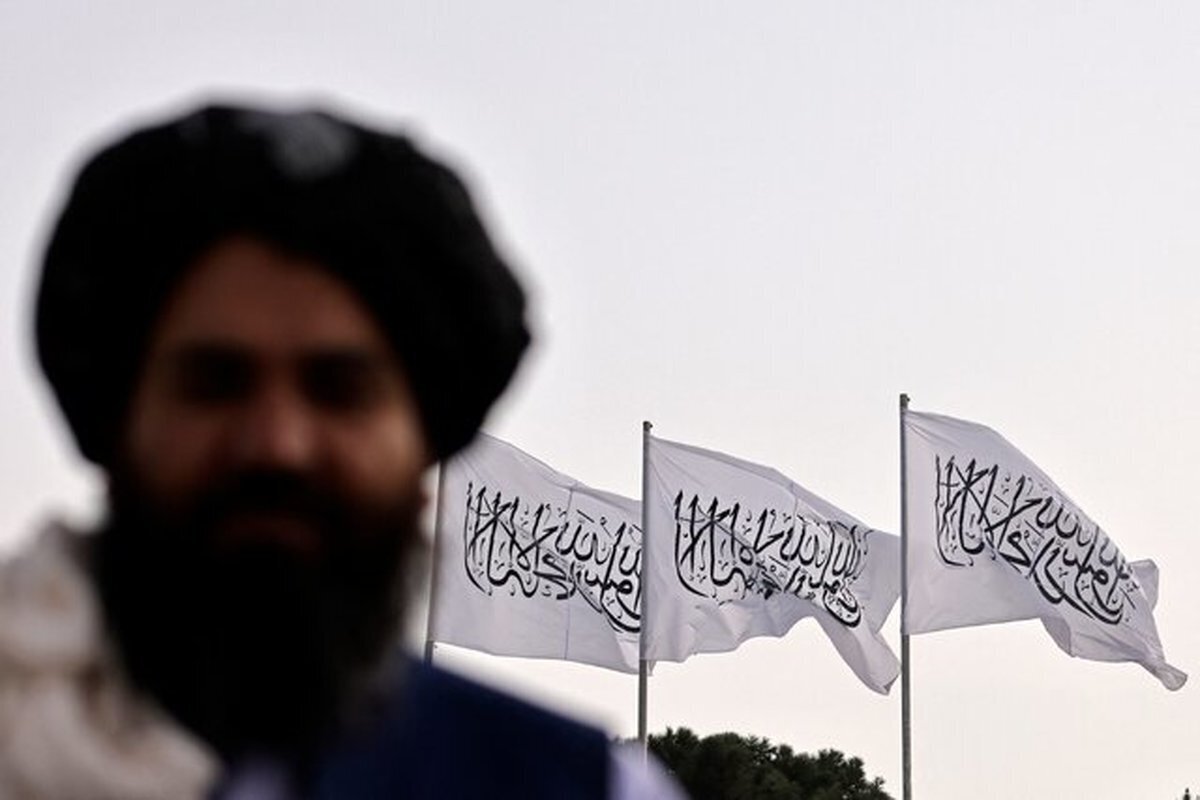
People in Daikundi are struggling with deepening poverty, while Taliban commanders are accused of exploiting the religious tradition of waqf for personal gain. The allegations have fuelled public anger and eroded trust in religious institutions.
Taliban commander accused of misusing mosque donations in Daikundi
Poverty is worsening across Daikundi province, and recent allegations of financial misconduct by local Taliban officials have highlighted a gap between the group’s religious rhetoric and its actions.
According to local reports, some Taliban commanders are using religious practices, including waqf, for personal benefit. In Sang-e Takht wa Bandar district, Abdul Rahim Maywand, the Taliban’s security commander, reportedly collected timber from residents under the pretext of building a mosque. Residents had donated around ten truckloads of wood for the project, but the timber was instead used for Maywand’s private home, the reports say.
Growing public dissatisfaction
Local officials have confirmed that Maywand used some of the wood to build his house and sold the rest, with the proceeds reportedly spent on furnishing the property. The allegations point to the misuse of resources donated for public purposes.
Religious scholars and residents say the case is one example of broader financial pressure on the population. Under Islamic jurisprudence, waqf property is held in trust for the public, and using it for personal purposes is considered a breach of that trust. Residents of Daikundi also complain that local officials use their weapons and religious authority to extract money from people through demands for ushr and zakat.
Impact on public trust
The conduct attributed to Taliban commanders has prompted widespread resentment and seriously undermined public confidence in the group’s claims of enforcing Islamic law. With the economy already under severe strain, residents say the situation is deepening Daikundi’s social crisis.


