News September 25, 2026
Short Link:Afghanistan Faces Dual Water Crisis Amid Seasonal Rains
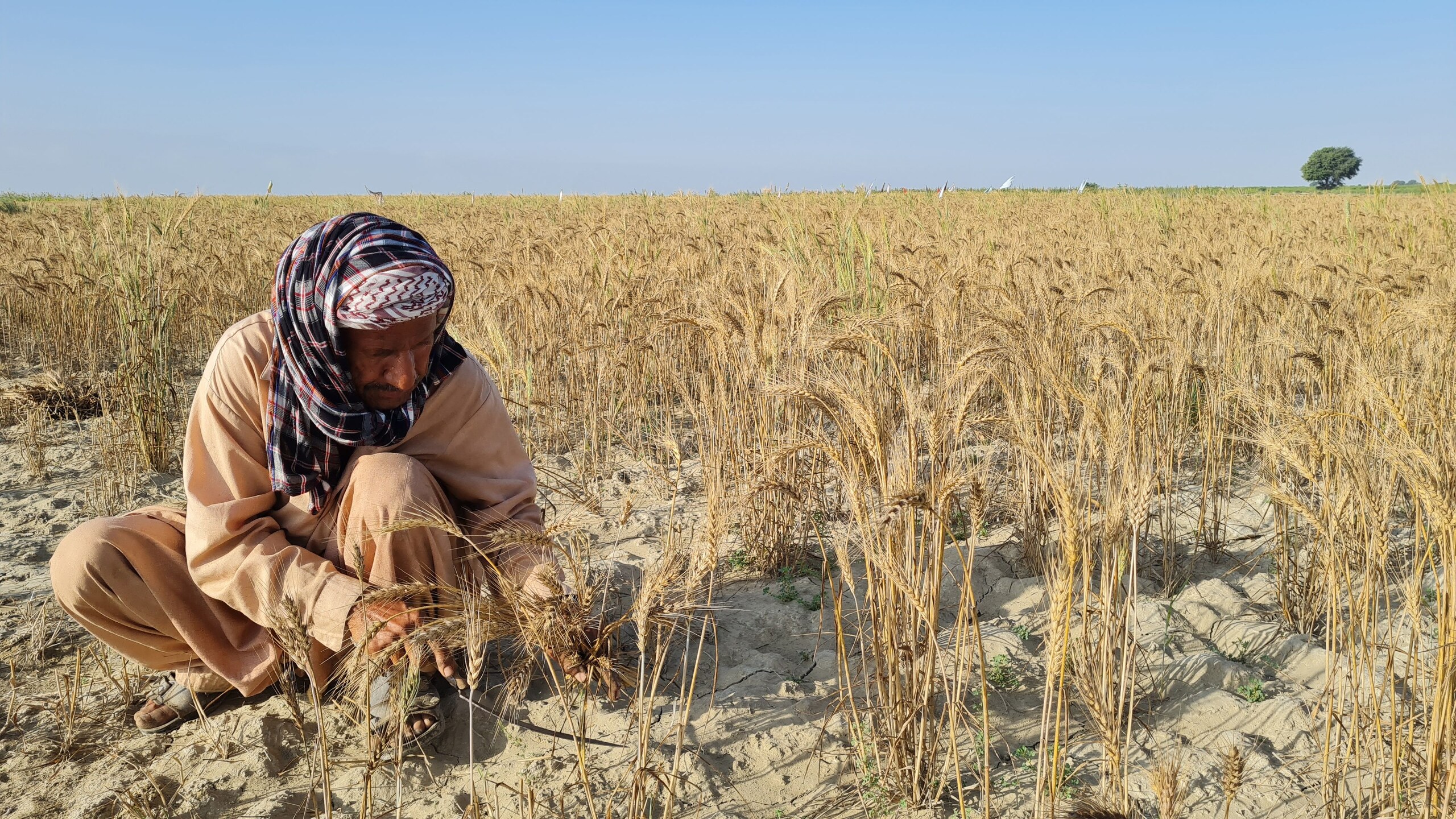
Despite heavy seasonal rains, the people of Afghanistan continue to face ongoing issues of drought and water shortages. Experts emphasize the need for the construction of water infrastructure.
Seasonal Rainfall and Ongoing Drought in Afghanistan
In spite of devastating floods and intense rainfall in various regions of Afghanistan, residents and farmers report persistent drought conditions and a lack of drinking and agricultural water. Experts argue that brief bouts of rainfall cannot sufficiently replenish groundwater resources, and without proper management, these rains can lead to harmful flooding.
Destruction of Crops in Herat and Nangarhar
Farmers in the provinces of Herat and Nangarhar have reported significant economic losses and the destruction of their fields. Abdul Latif, a resident of the Injil district in Herat, states that even wells dug to a depth of 40 meters are drying up quickly, causing families to struggle to find water. In the Spin Ghar district of Nangarhar, agricultural lands have been completely devastated due to flooding and water scarcity.
Reasons for Water Loss and the Need for Management
Water and environmental experts identify various factors contributing to water loss, including geological structures and reduced snowpack. Abdul Basset Rahmani, a water management expert, stresses the importance of building effective infrastructure to capture rainwater and advocates for the creation of check dams and water retention barriers for water storage.
Warnings from Global Organizations on Climate Change
UN-affiliated organizations have issued warnings about the negative impacts of climate change in Afghanistan, acknowledging that the severe decline in groundwater levels in both urban and rural areas endangers the livelihoods of farming and pastoral families, necessitating immediate action.
-

UN Calls for Urgent Action as Afghanistan Faces Deepening Crisis
-
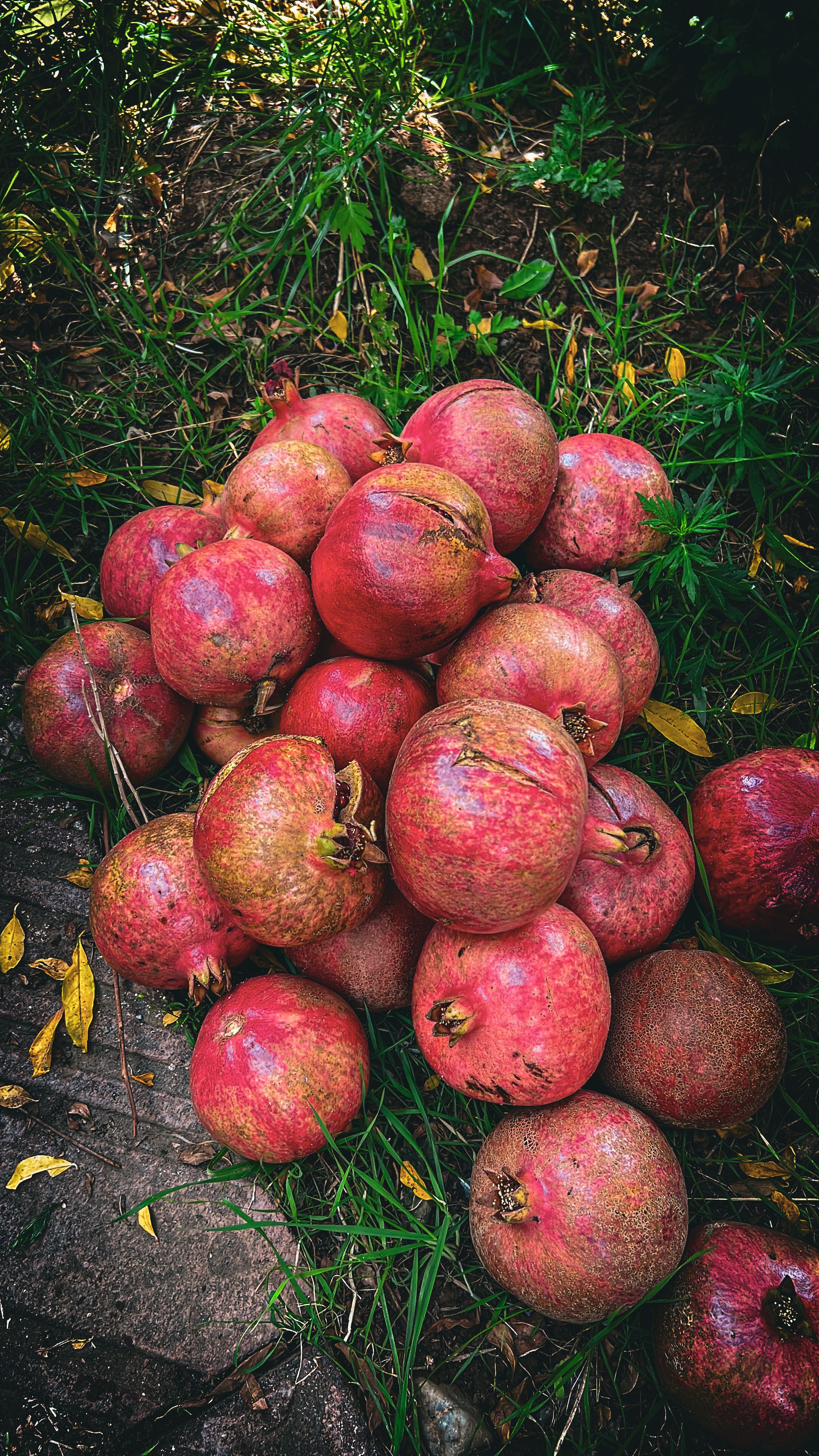
Kandahar Pomegranate Farmers Face Crisis Amid Declining Yields and Prices
-
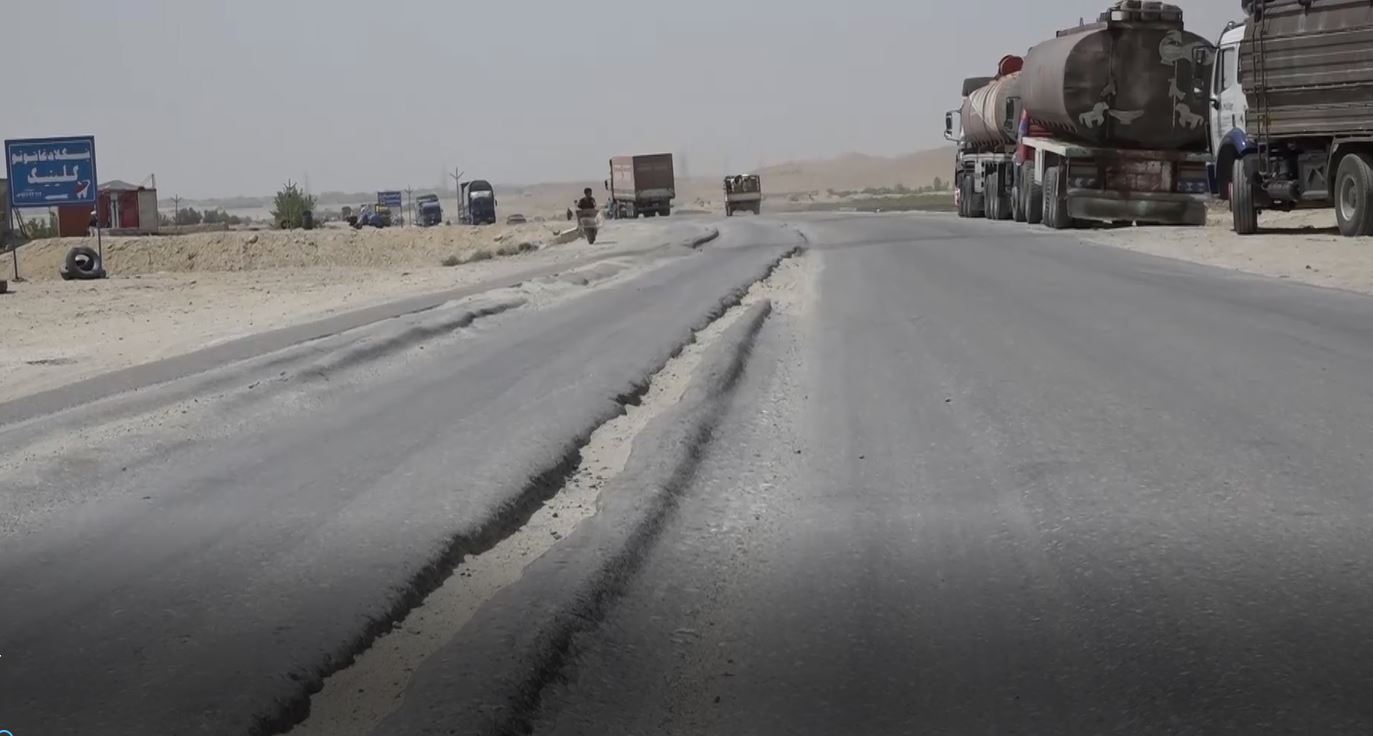
Afghanistan’s Road Crisis: Over 92% Unpaved, Threatening Access to Healthcare
-
Returnees from Pakistan Face Dire Educational and Economic Challenges for Daughters
-
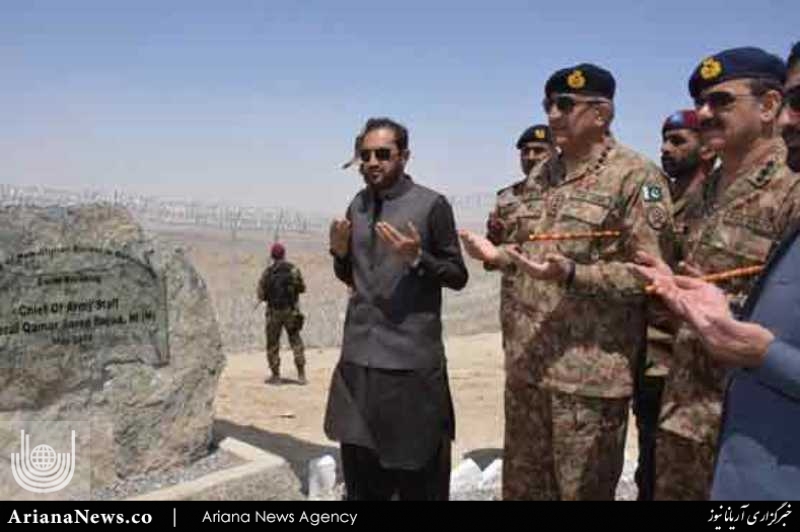
Tensions Flare Again Along the Durand Line Amid Conflicting Claims
-
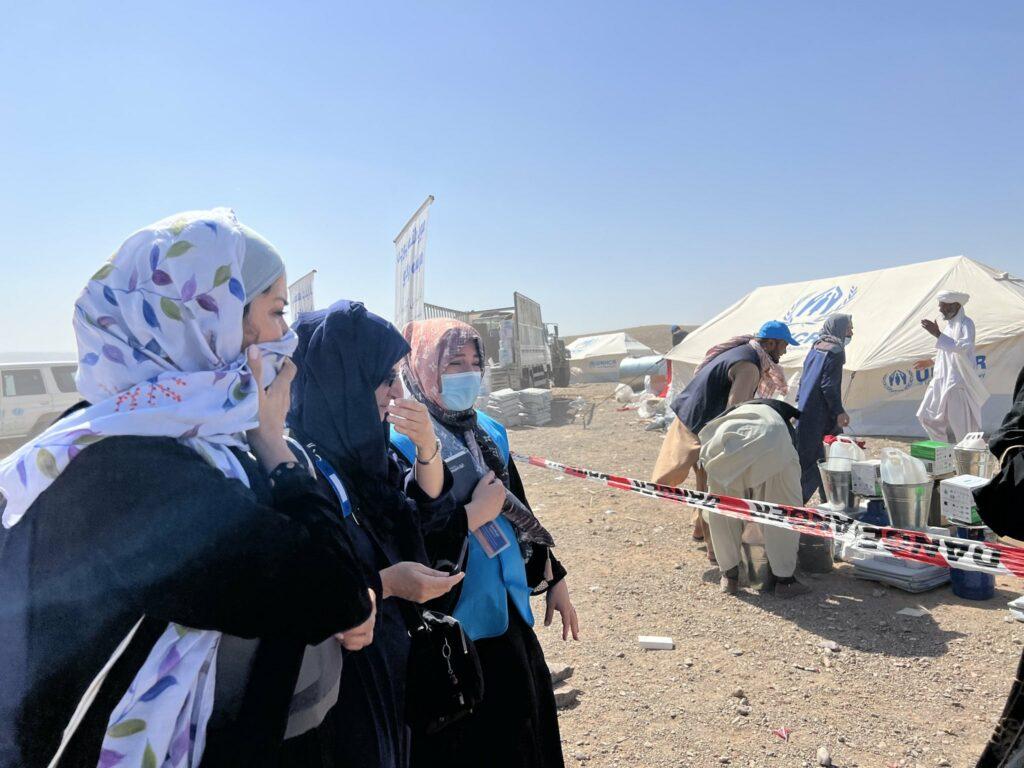
UN Official Urges Essential Role of Women in Afghan Humanitarian Efforts