Social September 16, 2026
Short Link:Afghan Youth Flee Education for Work and Migration Amidst Unemployment Crisis
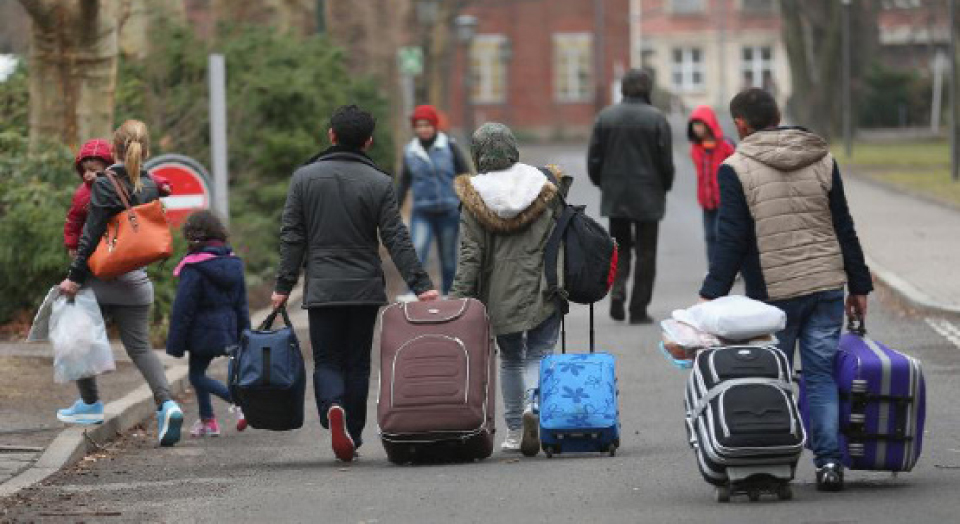
Afghan youth are abandoning their studies after graduating from school due to poverty and unemployment, turning instead towards work and migration. They are facing serious challenges.
Afghan Youth Turning to Work and Migration Due to Poverty and Unemployment
A number of Afghan youths who have recently graduated from the twelfth grade have decided to forgo further education in search of work or to migrate to other countries because of poverty and unemployment. These young individuals express that their families’ economic conditions have compelled them to prioritize work over attending university.
Abdul Wahid, a 22-year-old from Nangarhar, had hoped to enter university through the entrance exam but is now trying to gather funds for a trip to Iran. He shared with the media, “I have tried to find work here, but have been unsuccessful. Therefore, I plan to go to Iran to find job opportunities there.”
42 Percent of Illegal Migrants to Europe Are Afghan
Another young man from Kunar province noted a similar situation, stating, “I have a strong desire to continue my education, but I bear family responsibilities and must seek work. There are no jobs available here, and even if I find one, it’s not stable.”
The International Organization for Migration (IOM) has warned that illegal migration routes can pose serious dangers. Reports indicate that 42 percent of migrants entering Europe illegally are Afghan.
Unemployment Among Afghan Youth and the Risks of Migration Routes
Afghanistan is currently facing high unemployment rates, especially among its youth. According to World Bank statistics, about a quarter of Afghan youth are jobless. This situation is exacerbated for university graduates who also complain of a lack of employment opportunities.
Mohammad Shir, a young man from Kabul, has identified unemployment as a source of despair, stating, “Despite my considerable efforts, I still haven’t been able to find a job, and this reality is very discouraging.”
The Need for Job Opportunities for Afghan Youth
Economic experts stress that the Taliban government must collaborate with the private sector to create more employment opportunities for the youth. Abdul Nasir Rashtia, an economic analyst, stated, “Governments can foster additional job creation pathways by supporting the private sector.”
In the current climate, youths like Abdul Wahid face two challenging options: continue their education with no job security or opt for perilous migration. He mentions that he would avoid migrating to another country if he could secure a job within Afghanistan.
-

Afghan Families Struggle to Afford Basic Food Items Amid Economic Crisis
-
Families Torn Apart: Afghan Migration Driven by Lack of Job Opportunities
-
Critical Malnutrition Crisis Affects Over 500,000 Afghan Children Amid Rising Poverty
-

Traders in Afghanistan Turn to Exchange Offices as Banking Challenges Persist
-
Economic Crisis in Afghanistan Delays Marriage Aspirations for Youth
-
Economic Growth in Afghanistan Overshadowed by Declining Per Capita Income and Rising Poverty