Social September 3, 2026
Short Link:Economic Burden on Afghan Migrants: The Struggle of Supporting Families Back Home
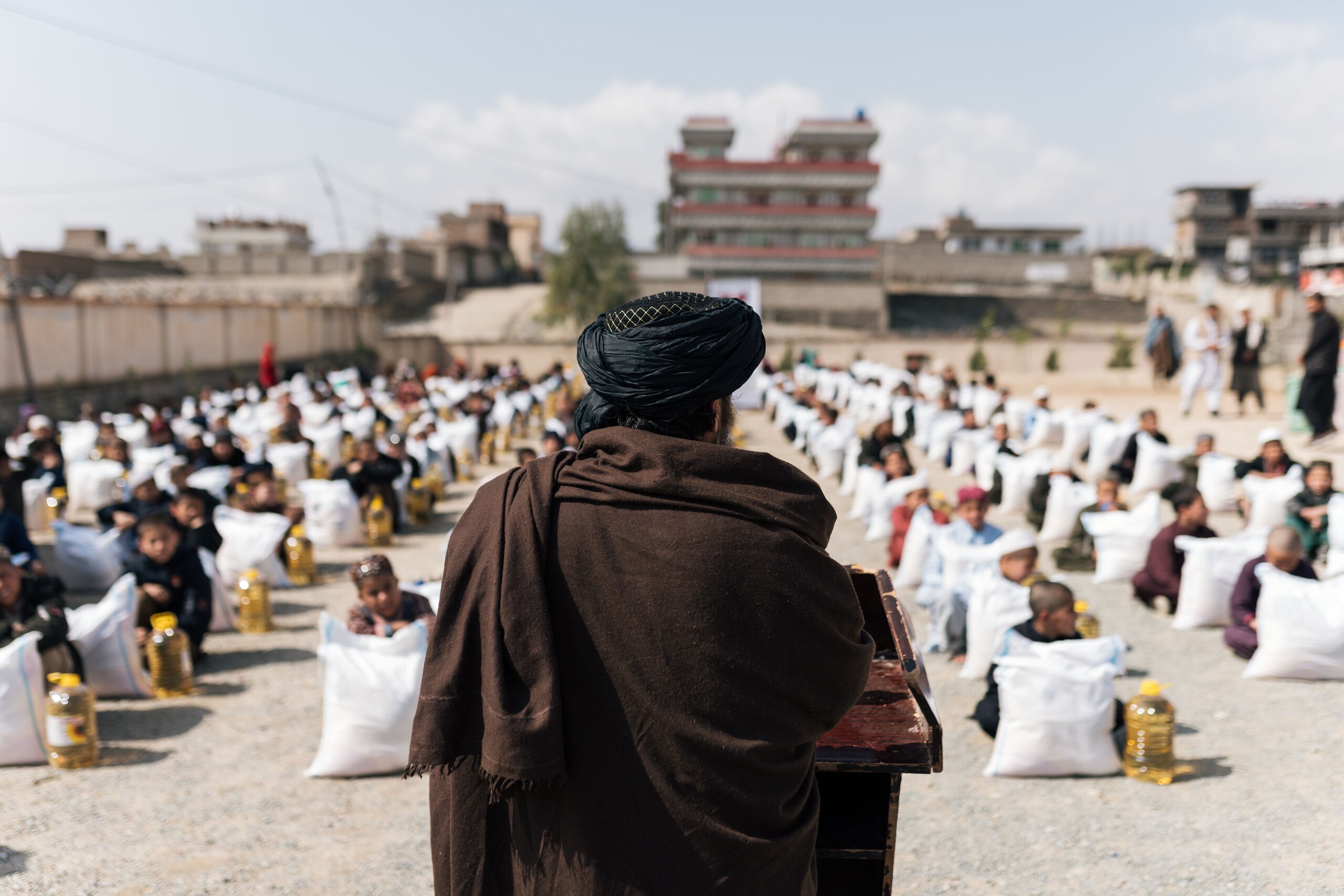
Afghan migrants in Western countries report facing economic and psychological pressures from sending money back to their families. Rising costs and livelihood challenges are forcing them to take on arduous jobs.
Afghan Migrants in the West: Economic Pressure and the Responsibility to Send Money Home
A number of Afghan migrants in Europe and the United States have shared their experiences of economic strain due to remitting money to their families in Afghanistan. They express that high living costs in their host countries put immense psychological pressure on them, compelling many to engage in strenuous work to support their families.
Jawid, an Afghan migrant residing in Germany and employed at a logistics company, mentions that despite the high living expenses in Europe, young people are compelled to send a significant portion of their earnings back home. He states, “Young individuals here are forced to work around eight to ten hours daily to send money to their families. Even if a young person earns $1,700 or $1,800 a month, and sends $1,000 back to their family in Afghanistan, it is still considered insufficient.”
Financial Support from Migrants: The Sole Hope for Families in Afghanistan
The families of young migrants in Afghanistan rely heavily on these financial remittances, and without them, meeting basic life necessities becomes extremely challenging. One Afghan resident, who wished to remain anonymous, explained, “My uncle sends us money from abroad, and without this support, it would be very difficult to secure our daily needs.”
Azarakhsh Hafezi, an economic expert, notes that a portion of the funds sent by Afghans living abroad goes towards supporting their families and other expenses within Afghanistan. He adds, “Between $2.7 billion to $3.5 billion is sent back home by Afghans abroad for their families and charitable organizations. Poverty in Afghanistan is rising, intensifying families’ dependency on the financial assistance from migrants.”
Economic Challenges in Afghanistan and Their Impacts
The United Nations Development Programme has projected that by 2025, about 74% of Afghans will struggle to meet their basic living requirements. Concurrently, the World Bank has reported ongoing challenges of poverty and food insecurity in the country. Remittances from migrants serve as a crucial resource for families in Afghanistan to cover their living expenses.


