Social September 8, 2026
Short Link:Afghan Refugees in Qatar and Rwanda Face Uncertain Futures and Lost Financial Support
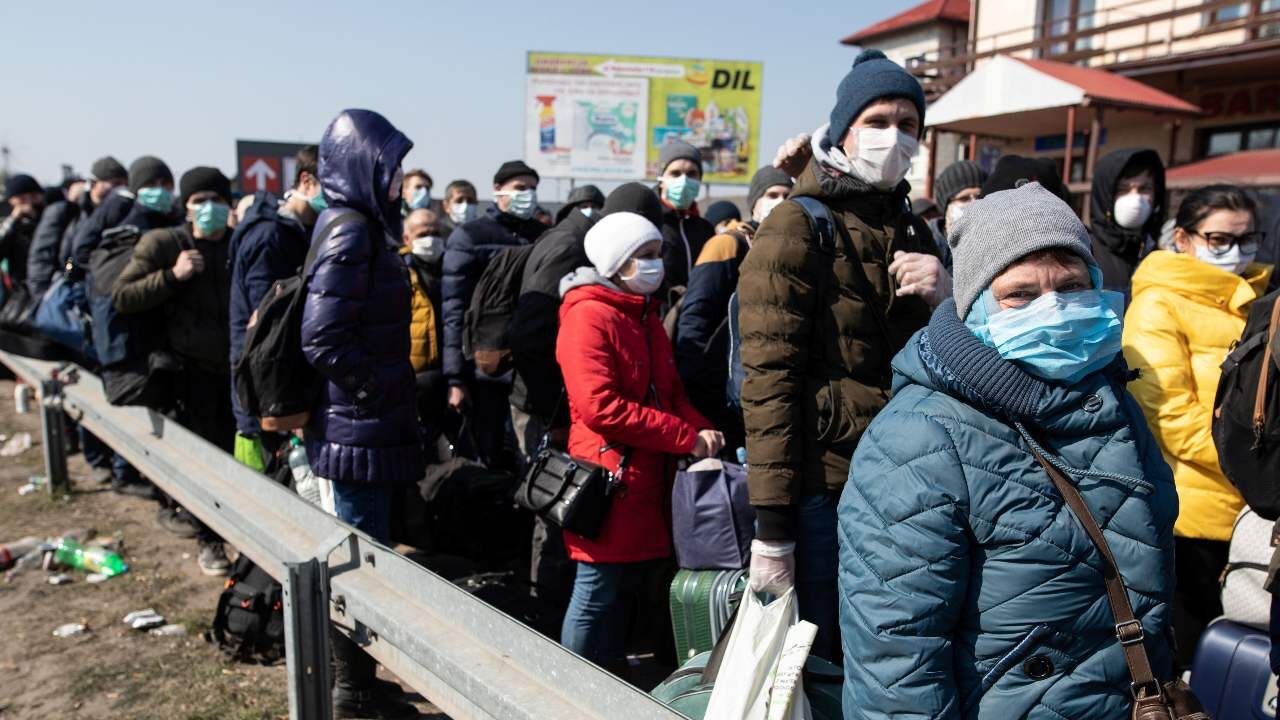
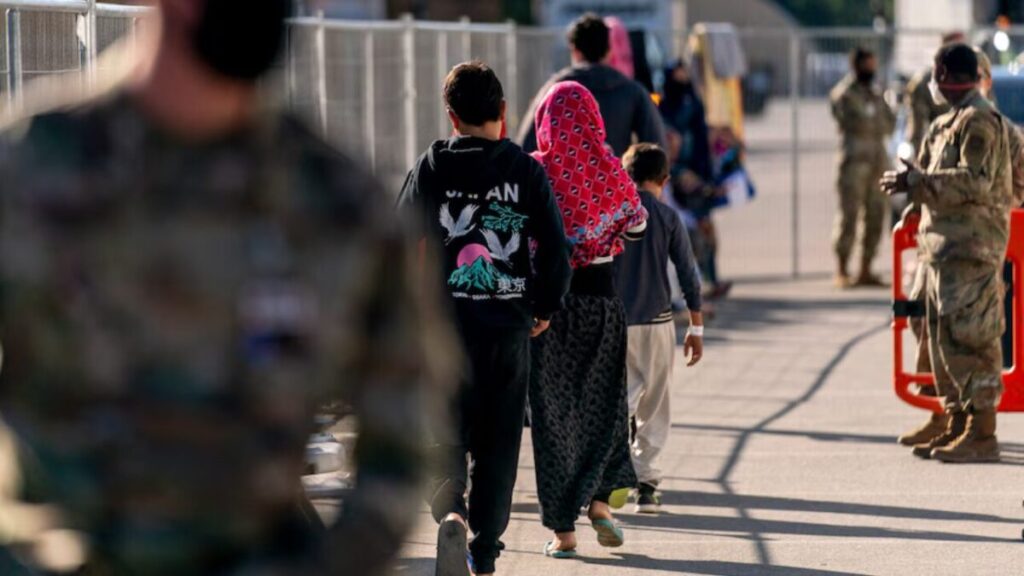
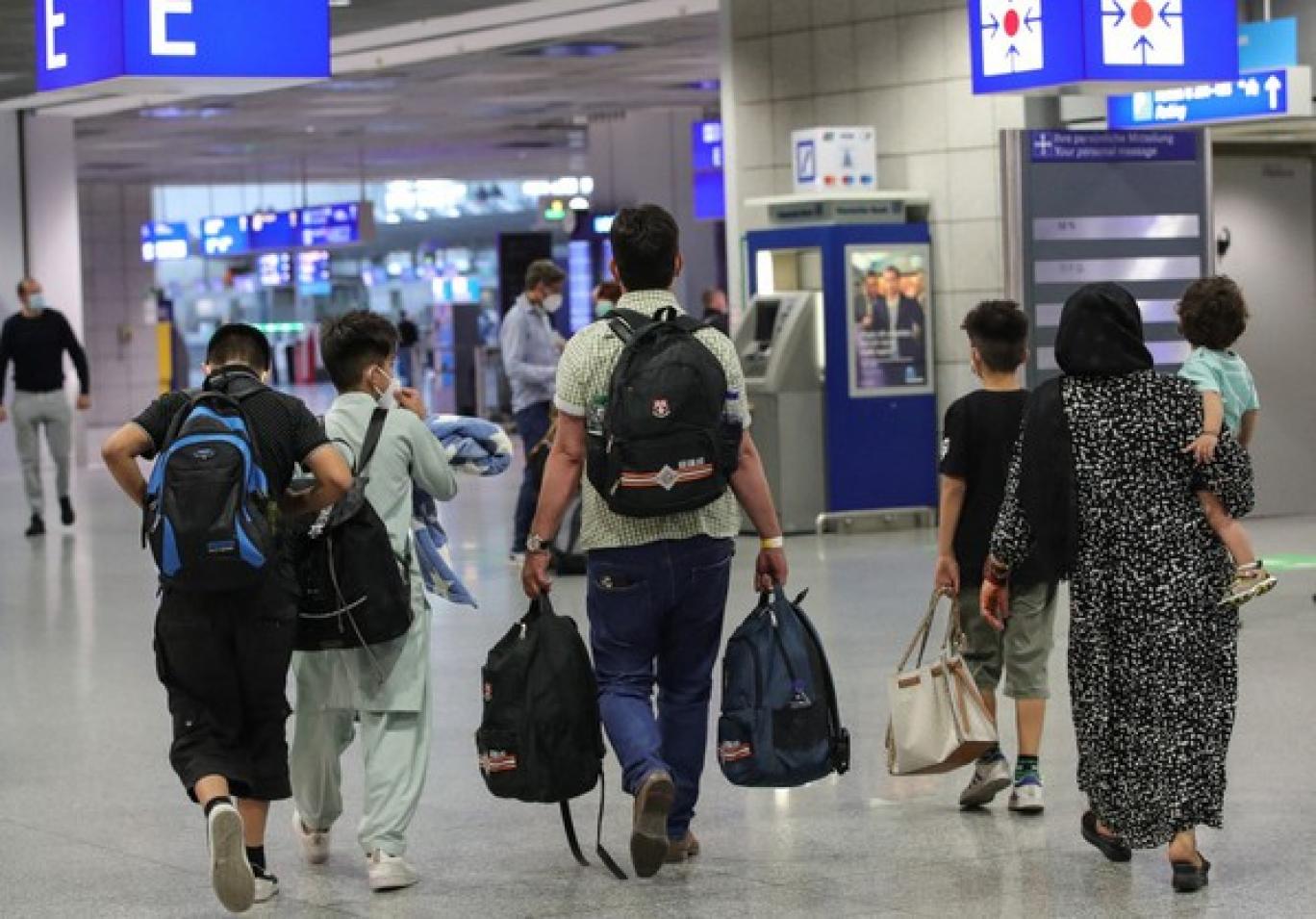
A group of Afghans who were relocated to third countries in 2021 currently finds themselves in Qatar and Rwanda, awaiting migration to safer nations. They express concerns over the stagnation of migration processes and the cessation of financial aid.
Afghans Evacuated in Limbo; Uncertainty in Third Countries
A group of Afghans who left their country in 2021 now resides in third countries like Qatar and Rwanda, waiting to be transferred to a safe location. These individuals are frustrated with the halted migration processes and prolonged waiting times, with some having recently lost their financial support.
One Afghan, who participated in an evacuation operation for American military personnel, shared that he has been separated from his family for nearly five years and remains uninformed about his immigration status. He stated that he was moved to a camp in Abu Dhabi on October 18, 2021, and has spent the last four years waiting to be resettled in the United States.
Uncertain Conditions and Lack of Aid
This individual, who prefers to remain unnamed, discussed the suspension of U.S. migration processes and mentioned being told that transferring to Rwanda could allow for future relocation to another country. However, after several years in Rwanda, there has been no progress on this promise. He also noted that their financial aid has recently been cut, further complicating their living conditions.
Other Afghans have voiced their anguish over family separations and their dire situations. One Afghan woman at the Silah camp in Qatar remarked that years of waiting and uncertainty have adversely affected her mental health and called for urgent attention to the plight of migrants.
Consequences and Concerns
Following the U.S. troop withdrawal from Afghanistan in 2021, thousands of Afghans waiting for relocation were moved to third countries. However, the processing of their cases has stalled, facing numerous challenges. Migrant rights advocates warn that this uncertainty and family separation have imposed significant psychological and social stress on these individuals.
Abdulrazak Adil, a migrant rights advocate, emphasized the need to find new pathways for resettling these individuals in countries such as Canada and Australia, and urged relevant organizations to address their basic needs during this period.
-

Russia Critiques West’s Treatment of Afghan Refugees Amid Growing Concerns
-
Rising Tensions as Deadline Approaches for Al-Siliya Camp’s Closure
-
Surging Black Market Prices for Pakistani Visas Leave Afghans Desperate
-
India Upgrades Kabul Mission to Embassy, Signals Shift in Taliban Relations
-
Afghan Returnees Demand Compensation as Pakistani Government Auctions Their Properties Worth Millions
-
Afghans Frustrated by Poor Internet Quality and High Costs