Social updated: September 23, 2026
Short Link:Nangarhar Residents Demand Action Amid Rising Housing Rents Due to Migrant Influx

Residents of Nangarhar are voicing their concerns over skyrocketing housing rents attributed to the large influx of Afghan migrants returning from Pakistan, urging the government to take immediate measures to alleviate the economic pressure.
Housing Shortages for Returning Migrants
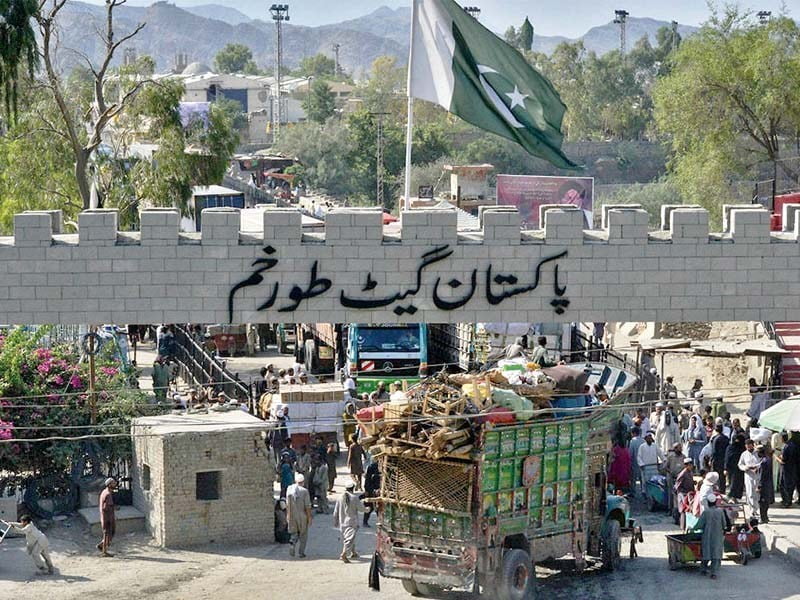
Several residents of Nangarhar have reported that the recent wave of Afghan migrants returning from Pakistan has resulted in a surge in demand for rental properties, leading to increased rental prices in the province. They noted that many migrants entering Afghanistan through the Torkham border are settling in Nangarhar, further straining the housing market and other sectors.
Gul Miran, a resident of Jalalabad, told Radio Azadi, “Compared to the past, rental prices have risen significantly. I now pay 8,000 Afghanis for a house, while it used to cost only 3,000 Afghanis.” Another resident, Mohammad Saeed, echoed this sentiment, pointing out that population growth has negatively impacted commodity prices, stating, “Rents have reached 5,000, 7,000, and even 10,000 Afghanis.”
Difficulties for Returning Migrants
Some Afghan returnees from Pakistan have expressed their struggles in finding adequate shelter. One individual noted, “We returned about a year and a half ago, but there are no jobs, and the government hasn’t provided any assistance.” Another returnee, Mohammad Ali, mentioned that ongoing issues with housing and unemployment have put additional pressure on them.
According to officials from rental transaction offices in Jalalabad, housing prices have accelerated sharply compared to previous times. One official stated, “People are very poor, and under these conditions, rents have soared.”
What Support Do Migrants Need?
The residents of Nangarhar are calling for the relocation of returnees to their original areas to ease the burden on Nangarhar. Reports from the United Nations Office for the Coordination of Humanitarian Affairs (UN OCHA) indicate that over half a million people have returned to Afghanistan through Torkham, with 40 percent resettling in Nangarhar.
UN OCHA added that new migrants are living in harsh conditions, and aid organizations need to provide supportive programs for them. The agency reported that many returnees lack access to housing and educational documentation for their children.
-

Returnees from Pakistan Face Dire Educational and Economic Challenges for Daughters
-
Public Outcry Over Controversial Traffic Police Signage in Afghanistan
-
Tensions Flare Again Along the Durand Line Amid Conflicting Claims
-
Turkey’s Intelligence Chief Engages in Security Talks in Afghanistan and Pakistan
-
Taliban Blames Pakistan for Airstrikes Amid Domestic Turmoil
-
Afghan Farmers in Crisis as Trade Route Closures Slash Grape Prices