Security updated: November 3, 2026
Short Link:Rising Opium Poppy Cultivation in Pakistan and Iran Sparks Global Concerns
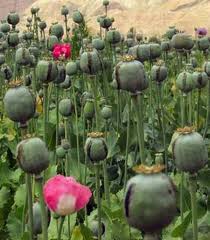
The expansion of opium poppy cultivation in Pakistan and Iran has raised concerns, with predictions indicating an increase in heroin supply on global markets.
Growth of Opium Poppy Cultivation on the Pakistan-Iran Border Despite Afghan Bans
The borders of Afghanistan, Pakistan, and Iran are experiencing an unprecedented rise in opium poppy cultivation. Despite the Taliban government’s prohibitions against such farming, evidence suggests that opium production has simply shifted to these areas.
Satellite imagery and local farmer reports indicate a significant increase in poppy farming in Pakistan’s Balochistan province and Iran’s Sistan and Baluchestan province. David Mansfield, a UK drug policy expert, stated that internal bans in Afghanistan and escalating insecurity in the tri-border region have facilitated the cultivation of opium poppies in these territories.
Security and Economic Implications of Opium Poppy Cultivation
Experts warn that this trend may result in increased heroin supply in global markets and provide financial support to armed groups. Balochistan, Pakistan, is recognized as a primary hub for opium production. However, Islamabad has responded to reports of widespread cultivation in these areas by claiming that discovered farms have been destroyed.
In Iran, various provinces, including Razavi Khorasan and Kermanshah, are encountering a rise in land used for poppy cultivation. Satellite images from 2026 indicate vast areas in Sistan and Baluchestan are dedicated to this crop. Military barriers and Iran’s economic crisis have facilitated farmers’ access to poppy farming.
Cultivation Status in Afghanistan
Despite the Taliban’s orders, Afghanistan has not completely exited the production cycle, with signs of renewed opium poppy cultivation emerging in Badakhshan province and several southern provinces. This situation highlights the direct connection between opium trade and the ongoing insecurity along regional borders.
-

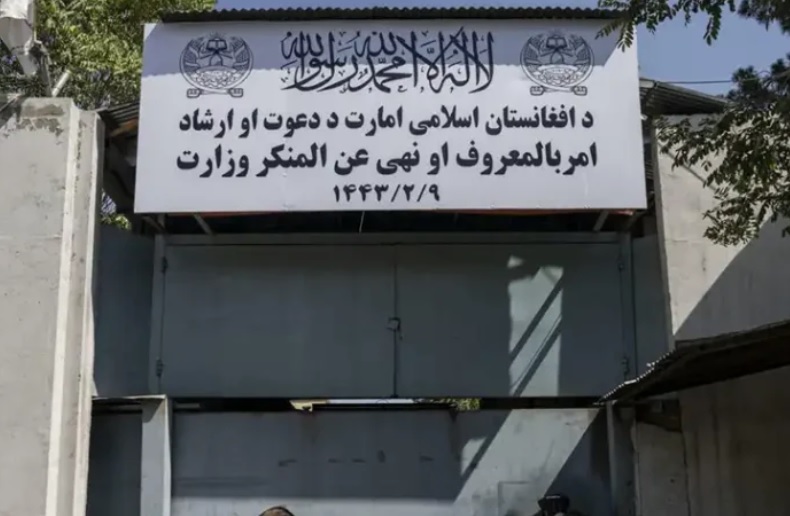
Taliban Reinforces Controversial Virtue Law Amidst Global Scrutiny
-
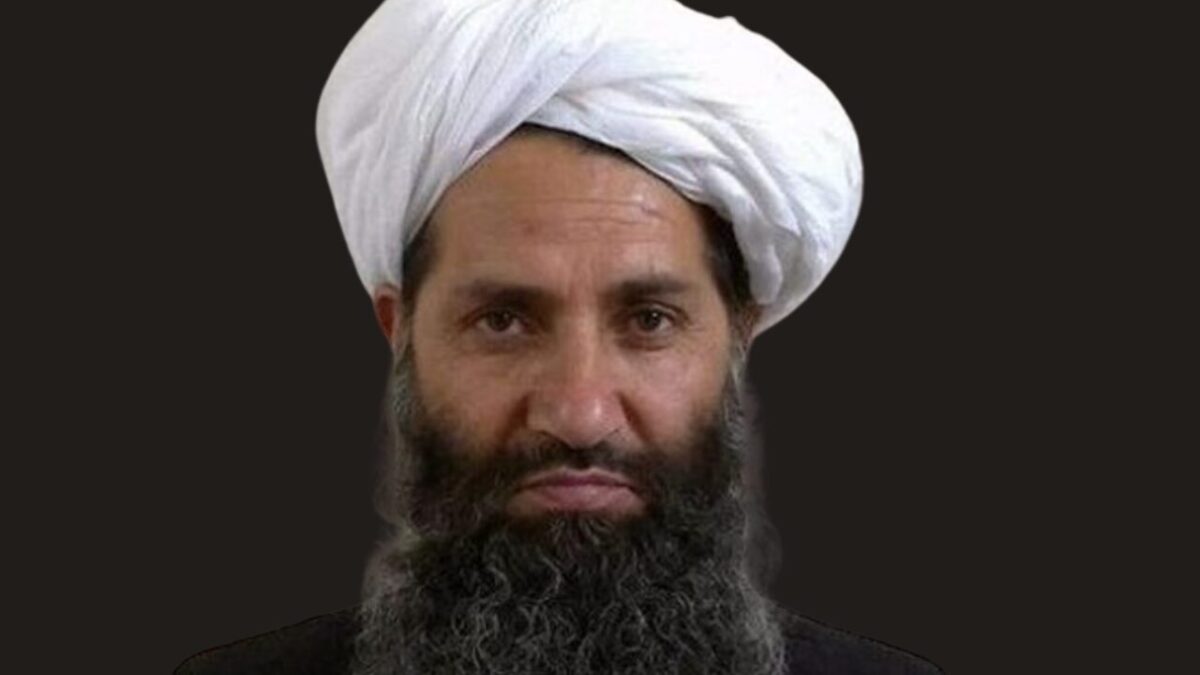
Taliban Leader Hibatullah Akhundzada Named Among Key Threats to Media Freedom Worldwide
-
UNHCR Clarifies Stance on Afghan Refugee Transfer Amid Growing Concerns
-
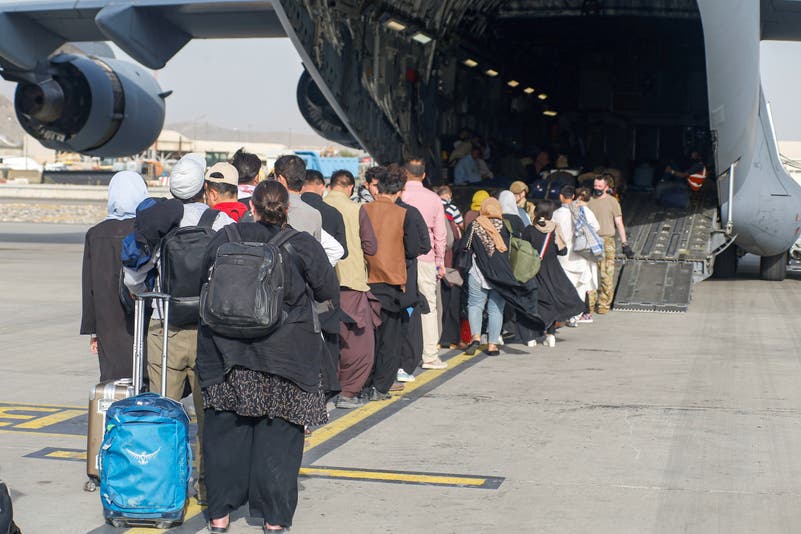
Taliban Expresses Concern Over U.S. Plans to Transfer Afghan Refugees to Pakistan
-
Pakistan’s Military Issues Stern Warning to Taliban Amid Rising Tensions
-
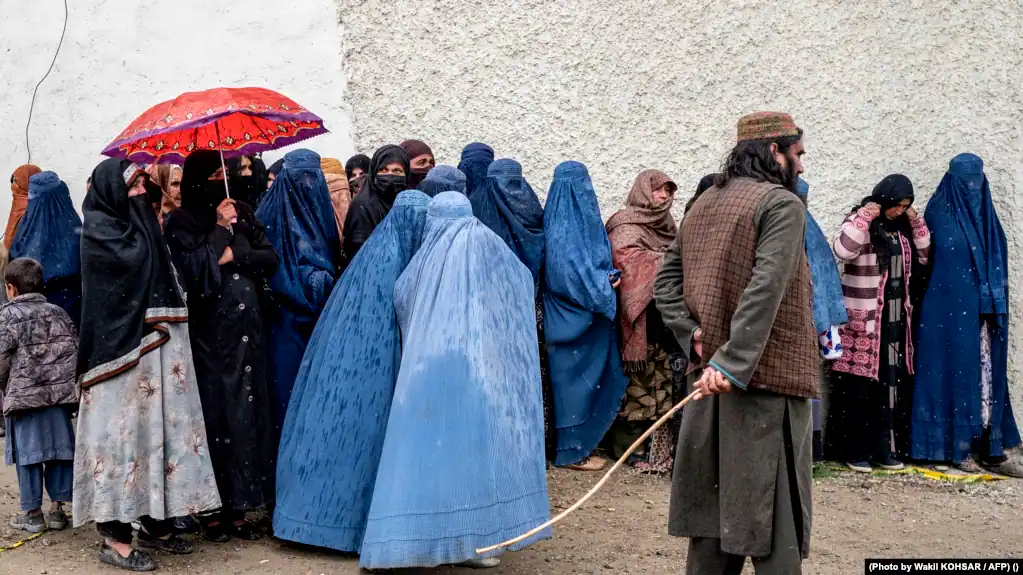
Concerns Grow as Taliban Detains Women Over Dress Code Violations in Afghanistan