UN Experts Urge ICC to Resume Afghanistan War-Crimes Investigations
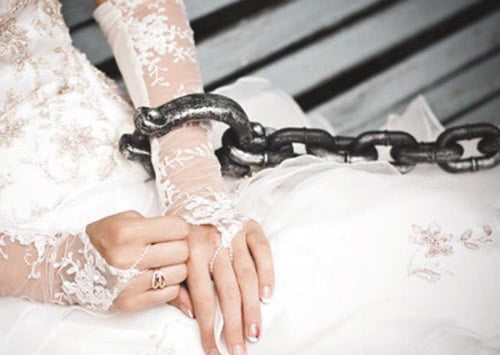
UN experts have warned of rising violence against women and forced marriages in Afghanistan, urging the International Criminal Court to reverse its suspension of war-crimes investigations. They said the decision would deny victims access to justice.
UN experts condemn rising violence against women in Afghanistan
United Nations experts have voiced concern over increasing violence against women and girls in Afghanistan and called for the immediate reversal of a recent International Criminal Court (ICC) decision to suspend investigations into alleged war crimes.
They warned that halting the investigations would deprive hundreds of thousands of victims of access to justice. The experts described the move as a major setback in efforts to challenge impunity and called on the court to reconsider and overturn it.
War-crimes investigations in Afghanistan must resume, experts say
Richard Bennett, the UN special rapporteur on the situation of human rights in Afghanistan, called on the court on November 27 to reverse its November 12 decision. Justice, he said, must be available equally to all victims and survivors of crimes.
Afghan victims face serious risks when speaking out about their demands, Bennett said, adding that they must not be left alone in their pursuit of justice.
Orange the World campaign highlights need for justice for women
The remarks came ahead of the global 16 Days of Activism against Gender-Based Violence campaign. Bennett said justice and support for victims must be priorities for the international community.
He said these priorities were more urgent than ever for women and girls in Afghanistan. Speaking at the UN Human Rights Council, he also warned about the effects of Taliban authorities’ rules on women’s lives, saying a girl’s silence could be taken as consent to marriage.
Girls’ silence may be treated as consent to forced marriage
Bennett cited accounts of physical and psychological abuse by Taliban officials and warned that Afghanistan’s system of gender discrimination not only violates human rights but could also bring profound changes to the country’s social fabric.
Since the Taliban returned to power in August 2021, girls above sixth grade have been barred from school, and women and girls have been excluded from university education. Authorities have also imposed increasingly severe restrictions on their work, travel and public life.
Bennett recalled the words of an Afghan girl who described her life in three words: “fear, tears and hopelessness.” Despite the pressure they face, he said, girls in Afghanistan continue to study in secret and teach one another.
FEATURED
-

UN: More Than 47,000 Women and Girls Killed by Family Members or Partners in 2025
-
Google Commits $40 Billion to Texas Tech Infrastructure by 2027
-
New Evidence Reveals Alarming Exposure to Explicit Content Among Teens on Instagram
-
Europe Faces Unprecedented Heatwaves and Wildfires as Climate Crisis Intensifies


