World May 7, 2026
Short Link:Gulf States Reassess U.S. Security Guarantees Amid Rising Tensions
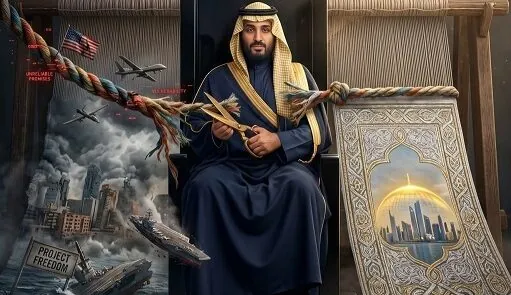
According to reputable international reports, including those from Bloomberg and The Wall Street Journal, Gulf Arab nations have lost trust in the security commitments of the United States following Washington’s inaction in response to recent attacks and the ambiguity surrounding Trump’s military objectives. In light of this dissatisfaction, Saudi Arabia and Kuwait have effectively halted the implementation of Trump’s “Freedom Project” in the Strait of Hormuz by closing their airspace and military bases…
Deterioration of Trust in U.S. Security Promises
Recent diplomatic reports from the Gulf indicate that traditional U.S. allies no longer have faith in America’s security assurances. Analysis from outlets like Bloomberg suggests that prolonged conflicts and the absence of a clear strategy under Donald Trump’s administration have led Arab officials to conclude that the U.S. may sacrifice their security in times of crisis. This distrust reached a peak following the U.S.’s ineffective response to missile and drone attacks against the United Arab Emirates, leaving regional leaders feeling that Washington is primarily interested in its own goals regarding the end of the conflict, while offloading the security costs onto host nations. For instance, the Gulf States question U.S. security commitments amid rising tensions.
Saudi Arabia’s Rejection of the ‘Freedom Project’
In one of the most significant diplomatic tensions, NBC News reported that Saudi Arabia has officially rejected the Trump administration’s request to utilize military bases and airspace under the so-called “Freedom Project.” Intended to reopen the Strait of Hormuz, the plan immediately faced staunch opposition from Riyadh upon its public announcement. Saudi officials have explicitly stated that they will not permit the use of the strategic Prince Sultan Air Base to support these operations, forcing the White House to halt the mission shortly after it began.
Concerns Over Military Bases as Targeted Sites
Analysts believe that the perception of U.S. military presence among regional countries has fundamentally shifted. A pressing question among leaders of Gulf Cooperation Council member states is whether hosting American forces ensures their security or merely provokes involved parties, turning their territories into targets for retaliatory attacks. Kuwait’s alignment with opposing forces and its restrictions on U.S. rights to station and transit highlight a regional consensus against Trump’s unilateral policies, which appear to disregard local partners. In this current climate, a famous saying among Arab diplomats that “American cover is thin and naked” has resurfaced. The implications of these actions are further explored in the 2026 Iran Maritime Blockade Crisis, which signifies a potential tipping point in warfare and diplomacy.
-

Families Torn Apart: Afghan Migration Driven by Lack of Job Opportunities
-
Taliban Warns Pakistan Against Military Action in Afghanistan
-
UAE’s OPEC Exit Signals Shift in Regional Alliances and Economic Tensions
-
Afghan Pilgrims Successfully Return Home After Hajj with Completion of Major Operation
-
Gulf States Question U.S. Security Commitments Amid Rising Tensions
-
Afghanistan National Futsal Team Rises in FIFA Rankings: 28th Globally and 7th in Asia