Taliban’s Education Restrictions in Afghanistan Classified as Cultural Genocide
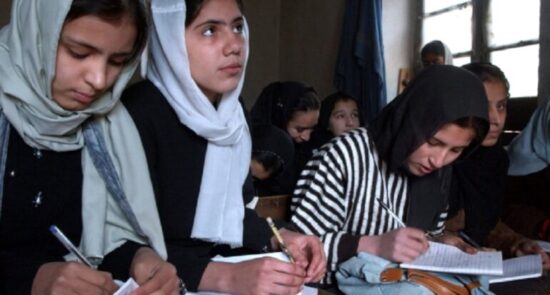
The Alliance of Human Rights Activists has announced in a new report that the Taliban’s policies in Afghanistan, particularly targeting girls and students and imposing restrictions on education, meet the criteria for cultural genocide. This entity has urged the international community to officially recognize these actions as cultural genocide, as such behavior poses a serious threat to the destruction of the identity and intellectual capacities of the country’s youth…
The Destruction of the Identity of the Young Generation
The Alliance of Human Rights Activists stated in its new report that the current policies of the Taliban government in Afghanistan specifically align with the standards of cultural genocide and are considered a serious threat to the future of the country’s youth, especially girls and students. This human rights organization emphasized in its statement that by targeting the educational system, particularly by imposing severe restrictions on girls’ access to education, the Taliban is destroying the intellectual capacities and social identity of the young generation in Afghanistan. According to this alliance, these actions indicate a systematic effort by the Taliban to suppress the progress and social identity of youth.
Violations of International Principles and Classification of Crimes
The Alliance of Human Rights Activists also pointed out that the Taliban’s policies are inconsistent with international human rights principles and constitute a blatant violation of international documents such as the Universal Declaration of Human Rights and the Convention on the Rights of the Child. This human rights entity warned that due to the extensive and targeted nature of the Taliban’s actions, they could also be classified as crimes against humanity.
Request for Official Recognition of Cultural Genocide
The Alliance of Human Rights Activists has called on the international community to officially recognize the Taliban’s behavior towards students and pupils as cultural genocide. This entity argues that the official recognition of these actions as cultural genocide could pose a significant challenge to the legitimacy of the Taliban on the international stage and have a profound impact on shaping future international community approaches toward authoritarian regimes and human rights violators. This action also has the potential to bring about major changes in the policies of foreign countries and international organizations.
-

Unveiling War Crimes: British Special Forces Under Scrutiny for Extrajudicial Killings in Afghanistan
-
Urgent Call to Action: UN-Habitat Highlights Dire Conditions for Returning Afghan Refugees
-
Red Cross Launches Cash Assistance for Earthquake Victims in Kunar, Afghanistan
-
Afghanistan’s Export Surge: A 45.1 Million Dollar Boost in October
-
Afghanistan’s A Team Seizes Victory Against Sri Lanka, Prepares for Crucial Clash with Bangladesh
-
Afghan Futsal Coach Declares Team’s Rising Power in Asia Amid Challenges


FEATURED
-
Alarming Survey Reveals One in Ten Women in British Armed Forces Experience Sexual Violence
-
Google to Invest $40 Billion in Texas, Boosting AI and Cloud Infrastructure by 2027
-
Over 4,400 Victims of Clergy Abuse Reported in Italy: Calls for Church Accountability Intensify
-

Earn Money from Google: Tips, Tricks, and Opportunities


