Taliban Unveils Major Water Transfer and Revenue Boost Plans

The Taliban’s Economic Commission, led by Deputy Prime Minister Mullah Abdul Ghani Baradar, has approved a plan for transferring water from the Panjshir River to Kabul, alongside new strategies to boost national revenue. These initiatives are expected to add approximately 60 billion Afghanis annually to the country’s budget.
Funding Allocated for Panjshir Water Transfer and Shah and Arous Dam
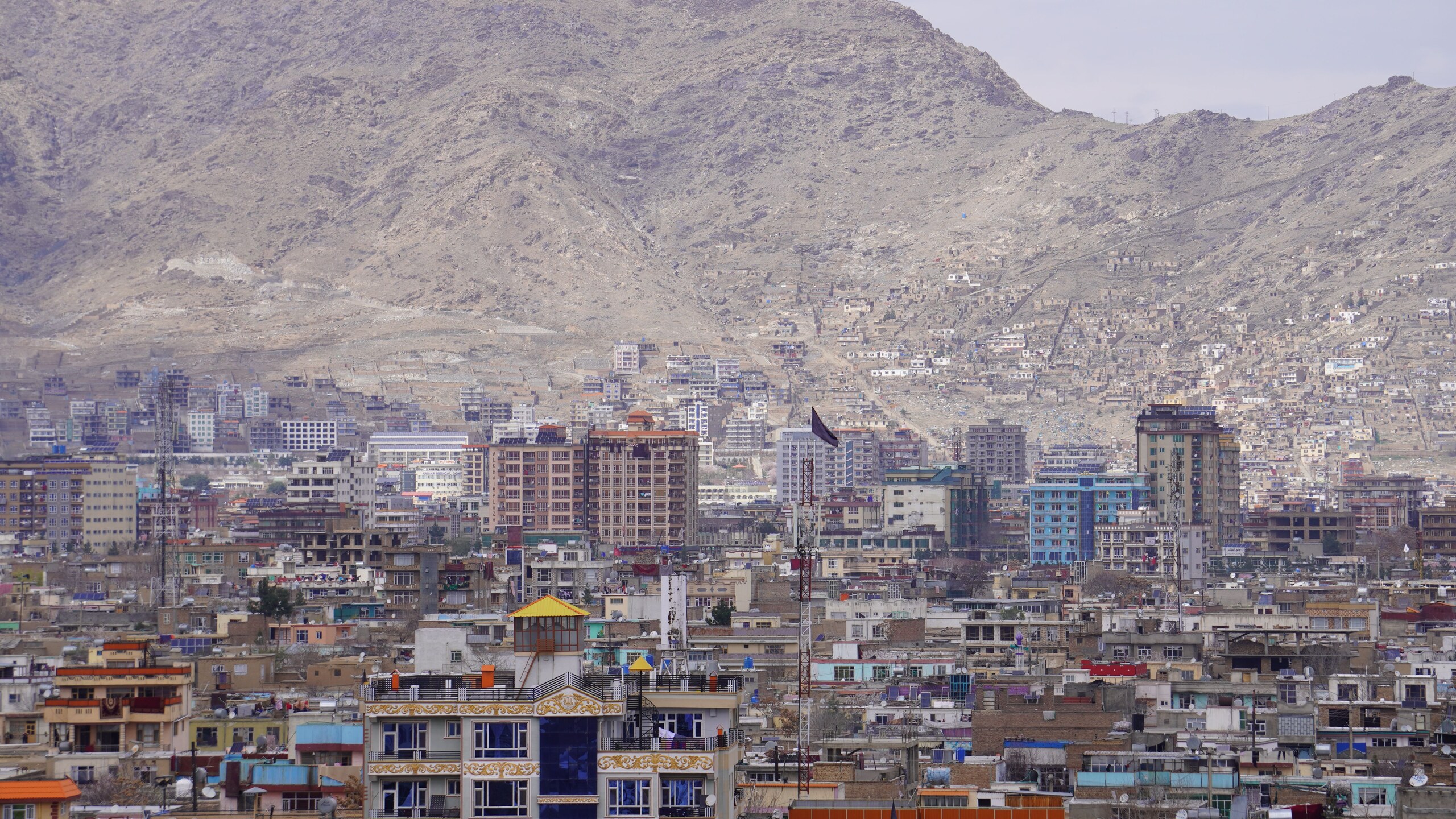
During a recent meeting, the Economic Commission scrutinized and greenlit several large-scale infrastructure projects and revenue plans. A key decision made was the endorsement of a report from the Ministry of Water and Energy regarding the transfer of water from the Panjshir River to Kabul via pipeline. Following technical assessments, the Economic Commission instructed the Ministry of Finance to urgently allocate the budget required for the surveying and design phases of this critical project.
Accelerating Water Supply to Northern Kabul
Additionally, the Ministry of Finance was tasked with transferring the designated budget for water supply initiatives to the northern regions of Kabul, particularly through the Shah and Arous Dam. This action is aimed at expediting the surveying process and commencing operational activities to meet the water needs of the capital’s residents.
Identifying New Opportunities for Increasing National Revenue
In the economic sector, the Ministry of Finance presented a report on identifying new revenue sources across various domains. Analyses from this ministry indicate that by implementing long-term plans in these sectors, approximately 60 billion Afghanis could be added to the national budget annually. The Commission underscored the importance of transparency in revenue collection and the utilization of domestic economic capacities.
Developing National Standards for Products and Goods
To ensure quality control and support standardized production, 12 drafts of internal standards and 11 testing methods across different fields were approved. These standards encompass vital sectors, including repair materials, medical equipment, textile industries, plastics, and dairy products.
Furthermore, new laboratory methods for assessing the quality of agricultural and food products were also sanctioned to prevent the entry and production of substandard goods in the country’s markets.
-

Public Outcry Over Controversial Traffic Police Signage in Afghanistan
-
Successful Military Operation in Nuristan Halts ISIS Infiltration
-
Tensions Flare Again Along the Durand Line Amid Conflicting Claims
-
Turkey’s Intelligence Chief Engages in Security Talks in Afghanistan and Pakistan
-

New Wave of Arbitrary Arrests of Women in Kabul and Herat Raises Alarms
-
Families Face Eviction and Homelessness as Winter Approaches in Kabul