U.S. Voices Growing Concern Over ISIS-Khorasan in Afghanistan

The United States has increased its concerns regarding the activities of ISIS-Khorasan in Afghanistan. The Deputy Representative of the U.S. at the United Nations emphasized the priority of combating this group and urged nations worldwide to enhance their cooperation in this matter.
U.S. Alarm Over ISIS-Khorasan Presence in Afghanistan Grows
Recent expressions of concern from the United States regarding the terrorist group ISIS-Khorasan have once again drawn significant attention. At a United Nations Security Council meeting, Deputy Permanent U.S. Representative to the UN, Thomas-G. Brous, underscored the importance of addressing this group and Al-Qaeda, warning that ISIS is capitalizing on the ongoing instability in Afghanistan.
U.S. Priorities: Combatting ISIS and Al-Qaeda in Afghanistan
Brous clarified that efforts to counter both ISIS and Al-Qaeda remain key strategic priorities for the U.S. He called on countries worldwide to maintain their focus on combating terrorism and to expand international cooperation in this area.
U.S. Deputy UN Representative: ISIS Exploiting Afghanistan’s Instability
The U.S. official also noted the evolving tactics of terrorist groups, stating that they are utilizing new technologies, including artificial intelligence and drones. He highlighted that this situation necessitates broader collaboration among nations.
ISIS-Khorasan’s Presence in Afghanistan: A Regional Security Threat
Given that ISIS-Khorasan was established during the U.S. and NATO occupation of Afghanistan, there is now concern about whether the U.S. intends to return to Afghanistan in light of these warnings. Questions arise about whether the U.S. intentionally left ISIS-Khorasan in Afghanistan to justify a future re-entry under the pretext of fighting this group.
Continued Activities of ISIS: Is the U.S. Returning to Afghanistan?
Considering the historical context of U.S. relations with ISIS and the role it has played in strengthening this group, the recent expressions of concern from the U.S. may be viewed as a strategy to rationalize renewed involvement in Afghanistan, especially as the Taliban claims that the command centers of ISIS-Khorasan are located in Pakistan’s Balochistan province.
-

UN Calls for Urgent Action as Afghanistan Faces Deepening Crisis
-
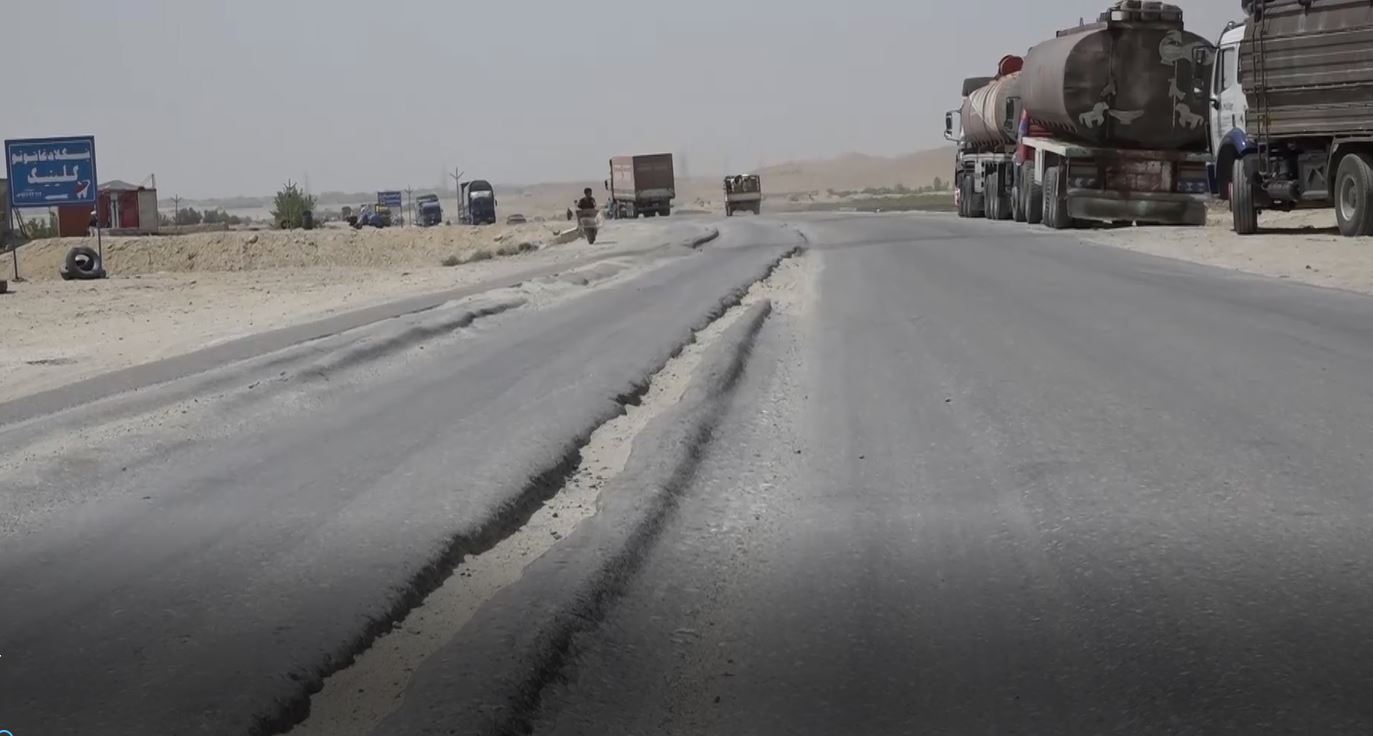
Afghanistan’s Road Crisis: Over 92% Unpaved, Threatening Access to Healthcare
-
Returnees from Pakistan Face Dire Educational and Economic Challenges for Daughters
-
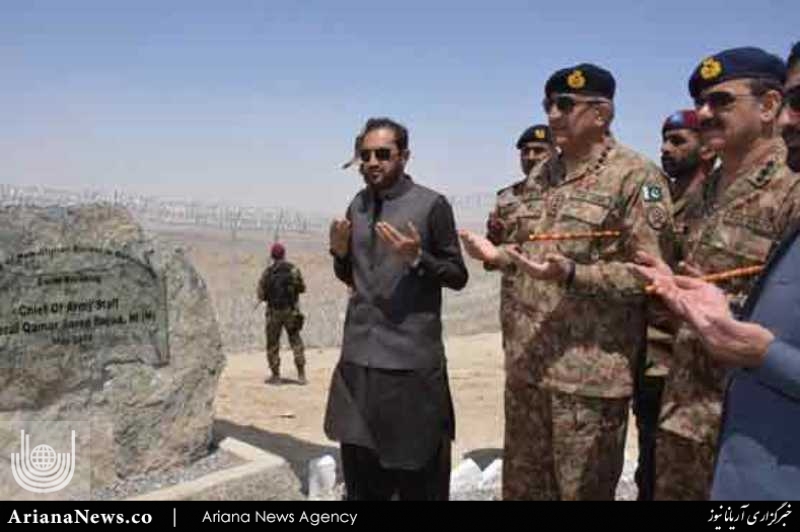
Tensions Flare Again Along the Durand Line Amid Conflicting Claims
-
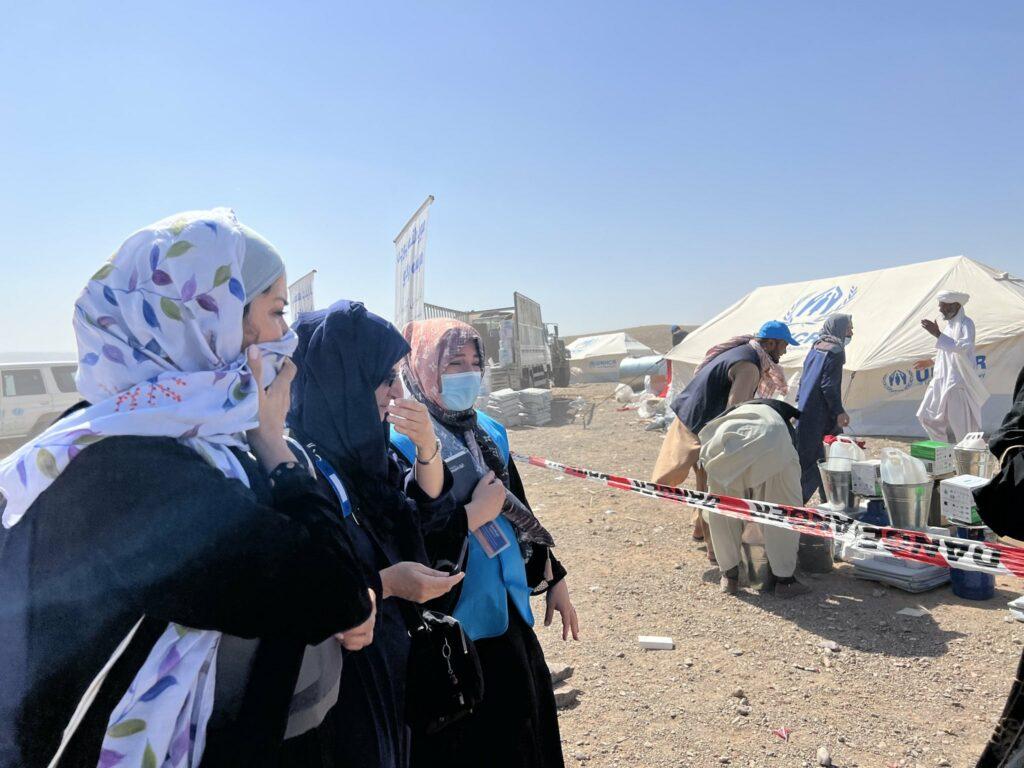
UN Official Urges Essential Role of Women in Afghan Humanitarian Efforts
-
Human Rights Advocates Urge Action Against Taliban’s Suppression of Religious Minorities in Afghanistan