Pakistan Intensifies Crackdown on Afghan Refugees Amid Economic Warnings
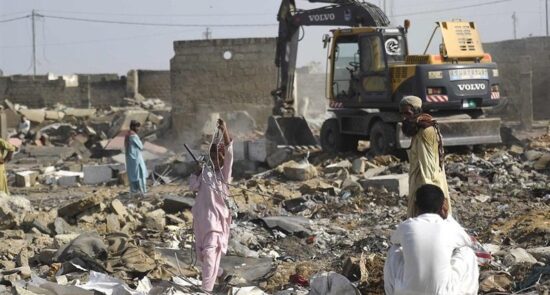
The Pakistani government has intensified its pressure on Afghan migrants, having completely demolished eight refugee camps located in the Khuwa and Hangu regions. This move comes amid warnings from local traders who express concern that the forced expulsion of these individuals will create a significant gap in Pakistan’s economy and labor market, a void that may take years to fill…
Destruction of Property and Small Businesses
Local media in Pakistan have reported on the recent violent actions taken by the country’s security forces against Afghan refugees. Just yesterday, eight densely populated camps in the Khuwa and Hangu areas of Khyber Pakhtunkhwa were destroyed by loaders and military personnel of the Pakistani regime. These acts are part of a broader plan for mass forced expulsions that have escalated in intensity over recent months.
Private Sector Warns of Economic Crisis
According to a report by the respected Daily Dawn, the camps were demolished while many of the refugees were still there. The report indicates that numerous migrants had established small shops and businesses within these camps to support themselves, all of which have now been reduced to rubble, disregarding the meager investments of the refugees. This has devastated hundreds of families, who have not only lost their shelter but also their sole source of income.
Escalating Organized Abuse
Reports from the ground suggest that psychological pressures, arbitrary detentions, and physical abuse against Afghan migrants in Pakistan have reached unprecedented levels. Human rights organizations have repeatedly warned about the humanitarian consequences of these forced expulsions, yet the Pakistani regime continues to destroy shelters and expel families that have lived in the country for decades, exhibiting a blatant disregard for international refugee laws. The situation is becoming increasingly dire, especially as there are significant challenges to finding safe and practical solutions for their return and resettlement in Afghanistan.
-

Afghan Families Struggle to Afford Basic Food Items Amid Economic Crisis
-
EU Engages with Taliban on Afghan Refugee Repatriation Amid Growing Concerns
-
Border Closures with Afghanistan Cost Pakistan Over $4 Million Daily, Traders Warn
-
Germany’s Ban on Afghan Migrants Draws Outrage and Despair
-
Tragedy Strikes Afghan Migrant: Woman Dies During Childbirth Amid Bureaucratic Delays
-
German Politician Calls for Swift Deportation of Afghan Criminals Amid Surge in Asylum Applications