Education Ban Threatens Health Care for 22 Million Afghan Women and Girls

UN Women has warned that continued restrictions on the education of women and girls could put 22 million people at risk of losing access to health care.
Restrictions deepen Afghanistan’s women’s health crisis
UN Women says restrictions on women and girls studying medicine could seriously undermine access to health services for around 22 million Afghan women and girls. During a recent visit to Afghanistan, Sophia Calthorpe, the agency’s head of humanitarian action, voiced deep concern about the situation.
Calthorpe said the loss of female health workers, alongside the closure of medical institutes and universities to girls, was leaving Afghanistan’s health system short of women professionals and putting the lives of millions of women and children at risk. Denying girls an education also threatens their future, she said, and can expose them to early forced marriage and contribute to higher maternal mortality.
Accounts from across the country illustrate the scale of the crisis. Zarmina, a 34-year-old woman from a rural area, said there was no female doctor or trained midwife where she lives, and local health facilities were largely shut. Poverty and restrictions on movement also make it difficult for families to take patients to cities, she said.
In Takhar province, a woman who asked not to be identified for security reasons said basic health services were unavailable. Sick women, she said, have to walk long distances to reach a clinic. Elham, a resident of Giro district in Ghazni province, described conditions as dire. “There is no clinic, female doctor or nurse in our district. Many pregnant women give birth at home, and there have been cases of patients dying on the way to hospital,” she said.
The crisis comes as Susan Ferguson, UN Women’s special representative in Afghanistan, said that nearly 300 health facilities across the country had closed or suspended operations this year, cutting more than one million women and girls off from health services.
Since the Taliban returned to power in August 2021, more than 100 restrictive decrees have been issued, curtailing the basic rights of women and girls. The Taliban authorities say they uphold women’s rights in accordance with Islamic law. But bans on girls’ education beyond grade six and on women attending universities have contributed to a deepening humanitarian and health crisis.
-

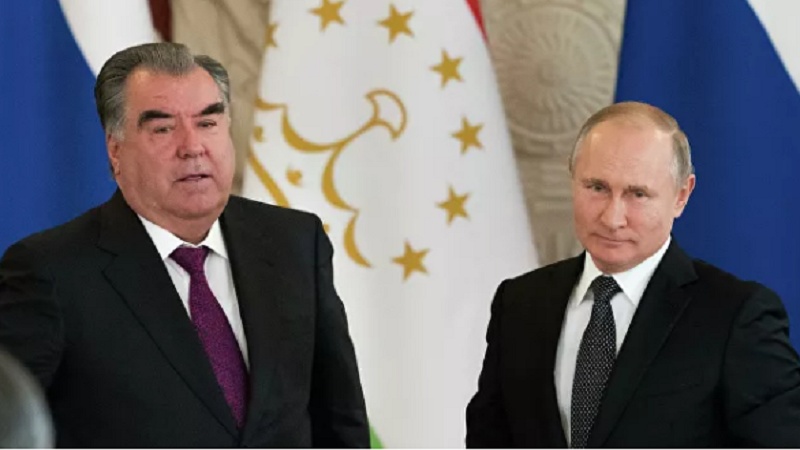
Putin and Rahmon Focus on Afghan Border Security in Dushanbe Talks
-
Afghan Envoy Says Up to 90% of Refugees in Pakistan Have Returned
-
Islamabad Forum to Examine Afghanistan’s Regional Impact Amid Kabul Tensions
-
Reports Say Taliban Use Torture to Secure Public Confessions
-
Qatar and UK Discuss Afghanistan and Broader Regional Cooperation
-

Taliban Chief Invites Opponents Back to Afghanistan, Calls Demands for Posts a “Sin”