Featured updated: December 23, 2025
Short Link:Mistakes You’re Probably Making with Face Masks
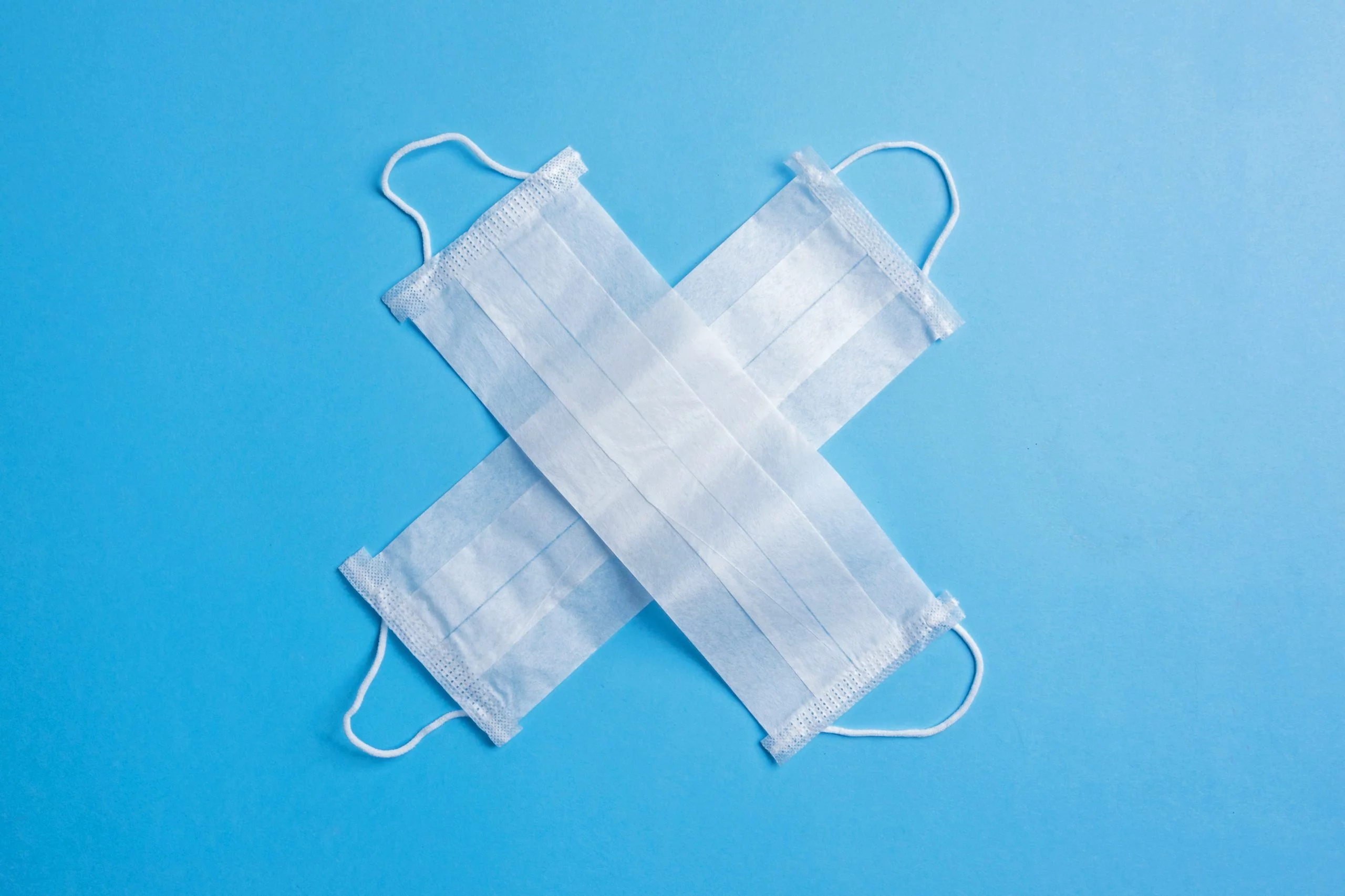
The Importance of Proper Face Mask Usage for Health and Safety
Ariana News Agency –
Understanding the Role of Face Masks
In recent years, the use of face masks has become a pivotal aspect of public health strategy, particularly during pandemics such as COVID-19. While many individuals have adopted the practice of wearing masks, it’s crucial to understand that simply wearing a mask is not enough. Proper usage, maintenance, and understanding of the mask’s role are essential to ensure its effectiveness.
The Necessity of Face Masks in Public Spaces
Health authorities worldwide, including in Canada, recommend wearing face masks in public spaces, especially where maintaining a two-meter social distance is challenging. This recommendation comes in response to the airborne nature of viruses like COVID-19, which can spread through respiratory droplets. In regions like Afghanistan, where healthcare resources are already strained, the importance of preventive measures such as mask-wearing cannot be overstated. For instance, the first coronavirus case in Afghanistan highlighted the urgent need for public health preparedness and individual responsibility.
DIY Masks: A Practical Solution Amid Shortages
With shortages of medical-grade masks, many people have turned to DIY solutions, crafting masks from cloth materials. While these masks offer a degree of protection, their effectiveness largely depends on proper usage and care. It’s essential to follow guidelines for making and wearing these masks to maximize their protective benefits.
Common Mistakes in Face Mask Usage
Incorrect Handling and Hygiene Practices
One of the most common mistakes is improper handling of masks. Before putting on or taking off a mask, washing hands thoroughly with soap and water for at least 20 seconds is crucial. This practice helps prevent the transfer of virus particles to the mask and face. As emphasized by National Jewish Health, hand hygiene is a critical component of mask effectiveness.
Ensuring a Proper Fit
A mask that does not fit well can compromise its protective capabilities. Masks should cover both the nose and mouth completely, with no gaps on the sides. A snug fit ensures that respiratory droplets are contained and reduces the risk of inhaling airborne particles.
Regular Cleaning and Maintenance
For reusable cloth masks, regular washing is essential. Masks should be washed after each use with hot water and detergent to eliminate any potential contaminants. Proper drying is also important to maintain the mask’s integrity and effectiveness.
The Broader Implications of Mask Usage
The use of face masks extends beyond individual protection. It is a collective effort to reduce transmission rates and protect vulnerable populations. In regions facing healthcare challenges, such as Afghanistan, where 3.2 million children suffer from acute malnutrition, preventing the spread of infectious diseases is critical to safeguarding public health.
Global Health and Policy Considerations
The issue of face masks also intersects with global health policies and resource allocation. For instance, the decision by the US to cut WHO funding during the pandemic raised concerns about the impact on global health initiatives and support for countries in need. As reported in Trump’s cuts to WHO funding, such actions can have far-reaching effects on international health efforts.
Conclusion: A Collective Responsibility
In conclusion, while face masks are a vital tool in the fight against infectious diseases, their effectiveness hinges on proper usage and community compliance. By understanding and adhering to best practices, individuals can contribute to a safer environment for all. In areas like Afghanistan, where health challenges are compounded by factors such as ongoing disasters, the role of preventive measures like mask-wearing becomes even more critical. As we navigate the complexities of global health, the collective responsibility to protect one another remains paramount.
-

Afghan Healthcare Was Targeted 12 Times Amid Coronavirus , Says UN
-
How US and China Responded to Coronavirus, A Cold War Edge for China
-
The Death of Taliban Leader Still Remains Ambiguous, Coronavirus?
-
Coronavirus is being Turned into a ‘Disaster’in Afghanistan, Cases Surging
-
Racial Violence in Australia against Chinese Citizens, Gov. Advised not to Travel
-
The Worst-ever US-China Relationship Over Coronavirus


