Asia updated: December 23, 2025
Short Link:What Is Russia Up To in the Middle East?
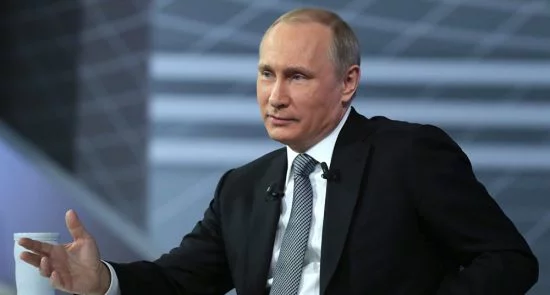
Russia’s Strategic Maneuvering in the Middle East: A Resurgence of Influence
Ariana News Agency
In the intricate web of global politics, the Middle East stands as a region of profound strategic importance. Over the past two decades, Russia, under the leadership of President Vladimir Putin, has reasserted its influence in this volatile theater. Despite the absence of a grand strategy, Russia has skillfully navigated overlapping and often antagonistic coalitions, positioning itself as a pivotal player in the region. This article delves into Russia’s historical and current engagements in the Middle East, exploring the motivations and implications of its actions.
Historical Context: Russia’s Return to the Middle East
Russia’s involvement in the Middle East is not a new phenomenon. During the Soviet era, the region was a significant area of interest, with Moscow supporting various regimes and movements. However, the dissolution of the Soviet Union in the early 1990s marked a retreat from Middle Eastern affairs. It was not until the early 2000s, under Putin’s leadership, that Russia began to reassert its presence.
In the aftermath of the 9/11 attacks, Russia unreservedly supported the United States, marking a period of cooperation between the two powers. However, this cooperation was short-lived, as geopolitical interests began to diverge. In 2011, Putin tasked then-Prime Minister Dmitry Medvedev with crafting a grand bargain with U.S. President Barack Obama, aiming to redefine Russia’s role on the global stage. The complexities of this relationship can be further explored in the context of Trump’s decision to sanction the ICC over the Afghanistan probe, highlighting the intricate dynamics at play.
Strategic Alliances and Regional Influence
Russia’s approach in the Middle East has been characterized by pragmatic alliances and strategic interventions. One of the most significant examples is its military involvement in Syria, where Russia has supported President Bashar al-Assad’s regime. This intervention not only secured Russia’s military foothold in the region but also demonstrated its willingness to challenge Western influence.
Beyond Syria, Russia has engaged with a diverse array of actors, from Iran to Saudi Arabia, navigating complex relationships with skill. The Iran nuclear deal serves as a testament to Russia’s diplomatic maneuvering, as it aligns with other nations to oppose U.S. sanctions while maintaining its strategic interests.
Challenges and Opportunities
Despite its successes, Russia faces numerous challenges in the Middle East. The region’s inherent instability, marked by ongoing conflicts and shifting alliances, requires constant adaptation. Russia’s involvement in the Moscow Peace Talks underscores its commitment to playing a mediating role, yet the outcomes remain uncertain.
Furthermore, Russia’s actions are often met with skepticism from Western powers, complicating its efforts to expand influence. The U.S. Congress’s efforts to end the war in Afghanistan highlight the broader geopolitical context in which Russia operates, as it seeks to balance its interests against those of other global powers.
The Future of Russia in the Middle East
Looking ahead, Russia’s role in the Middle East is likely to continue evolving. As it seeks to maintain its influence, Russia will need to navigate the region’s complex political landscape, balancing its relationships with key players while addressing emerging challenges. The ongoing peace process, as evidenced by Khalilzad’s peace talks with the Taliban, will be a critical area of focus, with Russia potentially playing a significant role in shaping outcomes.
In conclusion, Russia’s re-engagement in the Middle East marks a significant shift in global politics. Through strategic alliances and calculated interventions, Russia has reasserted its influence, positioning itself as a key player in the region. As the geopolitical landscape continues to evolve, Russia’s actions in the Middle East will remain a critical area of interest for analysts and policymakers alike.
-

Taliban Foreign Minister Dismisses Need for Talks with Political Opponents
-
Over 2,000 Afghan Migrants Return Home Amid Ongoing Challenges
-
Russia and Taliban Discuss Stability Amid Rising Tensions in the Region
-
Former Mossad Officer Claims Epstein Was Intelligence Asset for Israel
-
Iran’s Strategy: Strait of Hormuz Closure as a Geopolitical Lever
-
Political Analyst Warns Pakistan of U.S.-Led Deception Amidst Iran Conflict


FEATURED
-
New Evidence Reveals Alarming Exposure to Explicit Content Among Teens on Instagram
-
Europe Faces Unprecedented Heatwaves and Wildfires as Climate Crisis Intensifies
-
Australia Implements Strict Social Media Ban for Teens Under 16
-
Alarming Survey Reveals One in Ten Women in British Armed Forces Experience Sexual Violence


