Social updated: November 3, 2026
Short Link:Afghan Students in Pakistan Call for Extended Study Permits as Deadline Passes
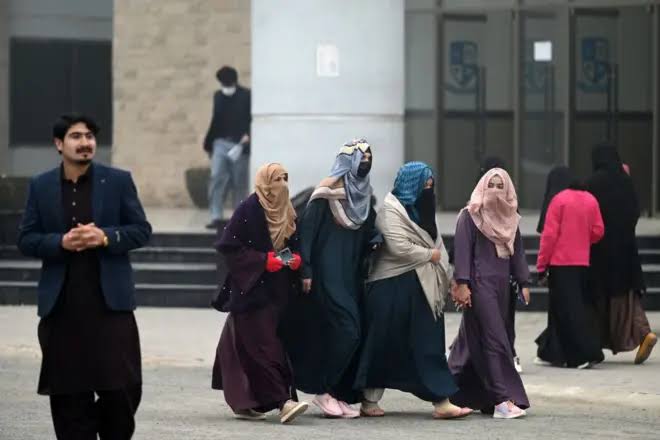
Afghan students in Pakistan, whose deadline to exit the country has passed, are seeking permission to continue their studies. This decision could affect the educational futures of approximately 1,000 Afghan students.
Deadline for Afghan Students to Leave Pakistan Has Passed
The deadline set by the Pakistani government for Afghan students in medical and specialized fields expired on October 10. However, Afghan students are requesting that the government of Pakistan allow them to continue their education under specific conditions until they complete their programs.
New Guidelines from the Pakistani Government for Students
The federal government of Pakistan has called on students and doctors currently enrolled in medical colleges and hospitals to provide valid residency documents. Otherwise, they must leave the country. The Pakistan Medical and Dental Council has also directed educational and medical institutions to review the status of Afghan students and send their information to the relevant authorities.
Impacts of This Decision on Afghan Students
These guidelines apply to students in general medicine, dentistry, and internship programs. To remain in Pakistan, they need valid passports, visas, or residency permits, as well as agreements issued by the Ministry of the Interior. ‘Inayatullah,’ an official coordinating matters for Afghan students, states that every year, 12 students are accepted through Afghanistan’s quota into medical colleges in Pakistan, with at least 80 Afghan students currently pursuing their studies in Khyber Pakhtunkhwa province.
Challenges in Securing Visas and the Future of Education
According to this official, some students’ visa applications have been rejected, while others are still under review. He has warned that about 1,000 Afghan students, including 350 women, could be affected by this decision. The necessary facilities for these individuals to continue their education in Afghanistan do not exist, and this situation could severely harm their educational prospects.
Request from Afghan Students to Continue Their Education
Afghan students are urging Pakistani authorities to allow them to remain in Pakistan until they finish their studies. This decision could significantly impact those who have entered Pakistani universities legally and lead to serious challenges for their academic journeys.
-

Pakistan to Begin Expulsion of Undocumented Afghan Refugees in Peshawar
-
Afghanistan-Pakistan Trade Declines 74% Amid Political Tensions
-
Pakistan Intensifies Crackdown on Afghan Migrants Amid Emergency
-
Pakistan’s Interior Minister Links Afghan Nationals to Terrorism in Khyber Pakhtunkhwa
-
Border Closures with Afghanistan Cost Pakistan Over $4 Million Daily, Traders Warn
-
Tragedy Strikes Afghan Migrant: Woman Dies During Childbirth Amid Bureaucratic Delays