Economic updated: November 3, 2026
Short Link:Pakistan’s Pharmaceutical Exports Plummet Due to Trade Stalemate with Afghanistan

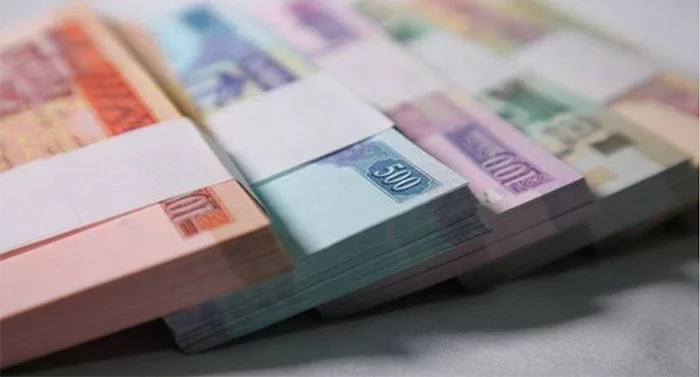
Reports indicate that Pakistan’s pharmaceutical exports have decreased by 30% due to a trade deadlock with Afghanistan, creating serious challenges for drug supply in the country.
Significant Decline in Pakistan’s Pharmaceutical Exports
Recent reports published by the newspaper “Dawn” highlight that the trade impasse between Kabul and Islamabad, coupled with the closure of border crossings, has thrown Pakistan’s pharmaceutical industry into crisis and adversely affected drug availability in Afghanistan. According to official statistics from the Pakistan Bureau of Statistics, the country’s drug exports for the fiscal year 2026 have plummeted by 30.26%, dropping from $456 million to $319 million.
This downward trend has continued into the first three months of the upcoming fiscal year, showing a decrease of over 25%. In previous years, Afghanistan was considered a promising market for Pakistani medicines, accounting for about 34% of total pharmaceutical exports in fiscal year 2025, with over $155 million worth of imports.
Concerns About the Current Situation
Touqir-ul-Haq, the former president of the Pakistan Pharmaceutical Manufacturers Association, has expressed his concerns about the current state of affairs, emphasizing that the trade deadlock has not only harmed pharmaceutical manufacturers but also forced Afghan patients to purchase necessary medications at exorbitant prices. He pointed out that despite promises from Pakistani officials to resume exports, no concrete actions have been taken thus far.
Impact on Pakistan’s Economy and Unemployment
Yousaf Afridi, president of the Khyber Chamber of Commerce and Industry, stressed the need to separate political issues from trade transactions and called for the immediate reopening of the Torkham border crossing. He stated that the closure of this strategic route has caused approximately $2.5 billion in damage to Pakistan’s economy and has resulted in the loss of thousands of jobs.
-

Emerging Security Challenges Threaten Stability in Northern Afghanistan
-
Al-Falah Bank Concludes 20-Year Operations in Afghanistan, Assets Transferred to Ghazanfar Bank
-
U.S. Diplomatic Shift Towards Iran Needed: Lessons from Afghanistan
-
Afghanistan Strives to Overcome Deficit in Historic Test Match Against Zimbabwe
-
Western Powers’ Contradictory Approaches Highlight Need for Regional Solutions in Afghanistan
-
Taliban Leader Hibatullah Akhundzada Named Among Key Threats to Media Freedom Worldwide