Economic updated: November 3, 2026
Short Link:OCHA Calls for Sustainable Investment to Tackle Afghanistan’s Economic Crisis

The spokesperson for OCHA emphasized that humanitarian aid alone cannot resolve Afghanistan’s economic crisis and highlighted the need for ongoing investment in infrastructure.
Humanitarian Aid Is Not Enough
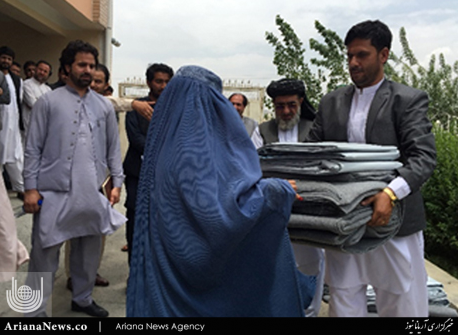
Olga Cherviako, the spokesperson for the United Nations Office for the Coordination of Humanitarian Affairs (OCHA) in Afghanistan, stated in a press conference in Kabul that while emergency assistance plays a crucial role in saving lives, it cannot address the deeper issues facing the country by itself.
The Need for Investment in Infrastructure
She further emphasized that Afghanistan must focus on sustainable investment in livelihood and economic infrastructure to achieve stability and improve conditions. Cherviako noted that only through comprehensive investments in these areas and the creation of job opportunities can families’ dependence on emergency aid be reduced.
Hunger and Malnutrition Crisis
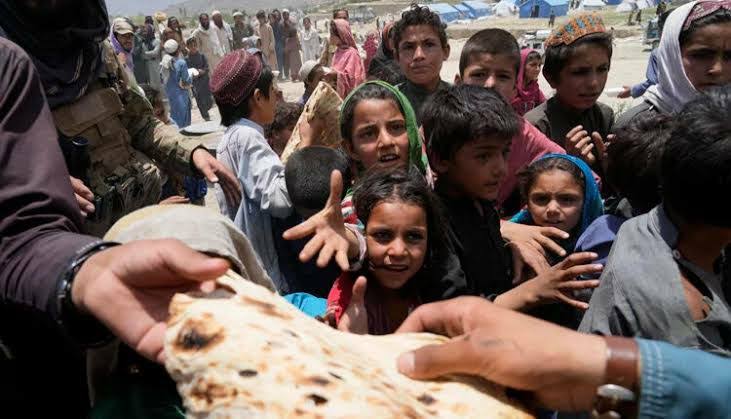
Recent statistics indicate that approximately 16 million people in Afghanistan are facing a crisis of malnutrition and hunger. Cherviako warned that with the onset of winter, the number of individuals in need of food could rise to 19 million. She also pointed out that the current economic challenges are not limited to food shortages, as insufficient income and access to basic services pose significant challenges as well.
Social and Educational Concerns
Mentioning the exclusion of girls and women from education under the Taliban regime, Cherviako identified this as one of the worrying factors in the current crisis. A recent UNICEF report shows that if restrictions continue, Afghanistan will face a serious shortage of female teachers and staff by 2030.
The Need for Sustainable Solutions
The UN official ultimately stressed the importance of developing effective strategies to support the Afghan people, adding that managing the crisis in Afghanistan cannot rely on temporary and emergency actions, but requires foundational planning to strengthen livelihoods and foster economic development.
-

Humanitarian Crisis Deepens in Afghanistan as Funding Falls Short
-
Humanitarian Aid in Afghanistan Faces New Challenges Amidst Bureaucratic Barriers
-
EU Mobilizes €12 Million in Aid for Afghanistan’s Health and Humanitarian Needs
-
Afghanistan’s Red Crescent Calls for Increased Global Aid Amid Migrant Crisis
-
UNICEF Warns of Growing Malnutrition Crisis Among Afghan Children by 2027
-
UN Report Reveals Alarming 40% of Afghans Facing Food Insecurity This Winter