World September 18, 2026
Short Link:Poll Shows Trump Blamed for Rising Gas Prices Amid Political Turmoil
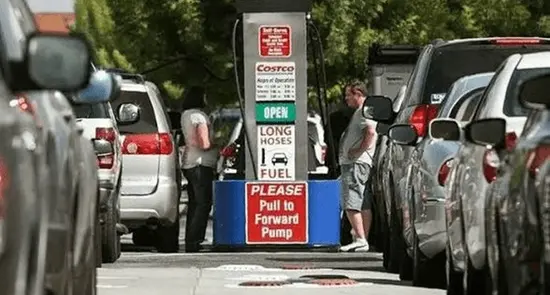
Recent findings from a Reuters/Ipsos poll indicate that 77% of American voters hold Donald Trump primarily responsible for the surge in gasoline prices, which have approached $4 per gallon. This growing discontent, rooted in military tensions with Iran and disruptions in the oil market, poses a significant challenge to the political standing of the Republican Party ahead of the 2026 midterm elections.
Insights from the Latest Poll
New results from the joint Reuters and Ipsos poll reveal that a vast majority of Americans attribute the recent jump in fuel prices to the policies of President Donald Trump. According to the data, 77% of registered voters believe that Trump bears at least some responsibility for the spike in gasoline prices, a situation that has created unprecedented political pressure on the current administration.
This critical perspective is not limited to the opposition but has also sparked deep rifts within the Republican base. The statistics show that in addition to 95% of Democrats and 82% of independent voters, 55% of Republican supporters also blame Trump for the current circumstances. Poll participants suggest that U.S. and Israeli military conflicts with Iran have impeded the global oil supply chain, driving gasoline prices near the $4 mark per gallon.
Impact of Fuel Crisis on the 2026 Midterm Elections
As the United States gears up for the congressional midterm elections in November 2026, rising living costs, particularly in the energy sector, have become a significant vulnerability for the Trump administration. The findings indicate that more than three-quarters of the population consider fuel prices their most pressing economic concern, and a majority believe that prices will continue to rise in the coming year.
Although Trump and senior officials in his administration express optimism that these price fluctuations are temporary and the market will stabilize as international tensions ease, public sentiment remains skeptical about these claims. Analysts warn that if the administration fails to restore stability to the energy market in the short term, rising dissatisfaction over high gasoline prices could lead to a significant Republican defeat in the upcoming elections and a shift in power dynamics within Congress.
-

Iran Pushes for Diplomatic Peace Between Taliban and Pakistan
-
Iran, Taliban, and Russia Unite for Regional Stability Talks
-
Taliban Emphasizes Chabahar Port as Key Trade Route for Afghanistan
-
Ex-Mossad Officer Claims Epstein Was a Spy for Israel, Blackmailing Trump
-
Democratic Senators Condemn Trump’s Infrastructure Threats in Iran as War Crimes
-
Democratic Senators Condemn Trump’s Threats Against Iran as War Crimes


