World September 10, 2026
Short Link:US Special Forces Rescue Mission in Iran Ends in Humiliation
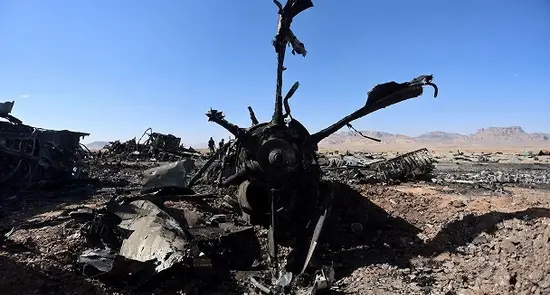
The recent mission by U.S. special forces aimed at rescuing a downed pilot in southern Isfahan ended in a historic and humiliating failure, primarily due to the vigilance of the Islamic Republic of Iran’s armed forces. This operation resulted in the destruction of advanced American aerial equipment, including special operation planes and Black Hawk helicopters, echoing the historical catastrophe of Tabas for Washington…
The Details of the Failed Rescue Attempt
Last night’s operation by American troops in southern Isfahan, designed to rescue the downed pilot, culminated in a significant failure. This incident bears many similarities to the Eagle Claw disaster in the Tabas desert, once again highlighting the operational and intelligence shortcomings of the United States in the face of Iran’s defense capabilities. Reports indicate that over the past forty-eight hours, the U.S. has lost two aircraft in the south and one fighter jet in central Iran. In response to these events, Washington attempted a failed rescue operation by deploying two HC-130 special operation aircraft, two Black Hawk helicopters, and two medium-range combat drones, all of which were destroyed.
A History of U.S. Special Operations Failures
The military history of the United States shows that it has consistently faced severe setbacks in executing special operations. Previously, at least five other similar operations have resulted in irreparable losses, two of which occurred on Iranian soil. The first significant failure arose in 1970 in Vietnam, where special forces attacked the Son Tay camp to rescue prisoners, only to find the camp completely empty.
Repeating the Tabas Nightmare
The most notorious historic failure of the U.S. was the Eagle Claw operation aimed at freeing hostages in Tehran, which ended in disaster due to sandstorms and technical flaws, resulting in the destruction of American aircraft in the Tabas desert. Additionally, the bloody Battle of Mogadishu in Somalia and the failed operation against the Taliban in 2005 stand out as other blemishes on Washington’s military record. Even in 2014, the rescue operation for James Foley in Syria failed due to intelligence errors and the premature transfer of hostages before Delta Force personnel could arrive.
A Joint Iranian Military Operation Against the Invaders
Following the incursion of enemy aircraft into central Iranian airspace, a coordinated operation was executed by the military forces of the Islamic Republic. In this decisive confrontation, the invading aircraft were destroyed, thwarting Washington’s designs to penetrate deep into Iranian territory. This battlefield victory demonstrates the high level of coordination among Iran’s various military and law enforcement units in safeguarding the country’s borders.
Serious Doubts About the Hollywood-Like Narratives from Western Media
The narratives published by American sources about the details of this operation resemble cinematic scenarios and are inconsistent with military logic. Questions remain unanswered regarding the entry, tracking, and technical failures during favorable weather conditions, casting doubt on the credibility of Washington officials. Additionally, contradictions regarding the condition of the pilots and the lack of any visual evidence of the rescued personnel strengthen the possibility of these forces’ deaths or a complete failure of the rescue mission. It appears that the American media is attempting to shift the narrative, placing the blame for this disgraceful failure on technical issues and the pilots’ injuries.


