Article updated: December 23, 2025
Short Link:Why the US will never say sorry for destroying Iraq
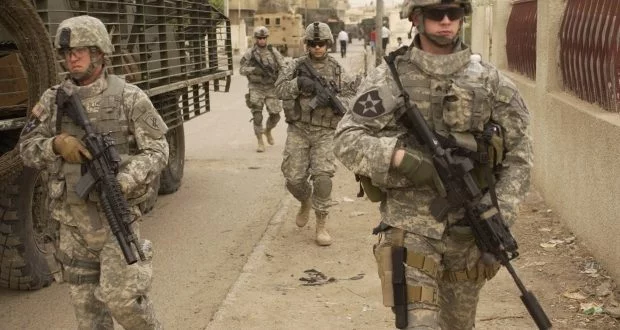
The US Iraq War, which began in 2003, remains one of the most contentious military engagements in recent history. Despite the passage of time, nearly half of Americans still believe that the war was legal. This belief persists even as the war’s ramifications continue to unfold, both in Iraq and globally. Understanding the full scope of this conflict requires a deep dive into its origins, execution, and enduring impact.
The Prelude to War: Sanctions and Strain
Before the 2003 invasion, the United States had already imposed severe sanctions on Iraq throughout the 1990s. These sanctions, aimed at pressuring Saddam Hussein’s regime, had devastating effects on the Iraqi population. According to reports, these measures contributed to the deaths of 1.7 million civilians, half of whom were children. The humanitarian crisis set the stage for the subsequent military intervention, which would further destabilize the region.
The 2003 Invasion: A Controversial Beginning
The US-led invasion of Iraq in 2003 was justified by the Bush administration on the grounds of eliminating weapons of mass destruction (WMDs) and promoting democracy. However, the absence of WMDs and the chaotic aftermath of the invasion led many to question the legality and morality of the war. The invasion not only resulted in the loss of hundreds of thousands of lives but also unleashed a sectarian civil war and paved the way for the rise of the self-proclaimed Islamic State (IS).
The Humanitarian and Environmental Toll
The consequences of the US occupation extended beyond immediate loss of life. The use of chemical weapons and the dumping of toxic waste, including depleted uranium, have been linked to an alarming increase in cancer, leukemia, and congenital birth anomalies among Iraqis. These health crises pose existential threats to both current and future generations, highlighting the long-term impact of military interventions on civilian populations.
For more insights into the enduring nature of conflicts, see The War that Never Ends.
Global Repercussions and Regional Instability
The Iraq War significantly altered the geopolitical landscape of the Middle East. The power vacuum left by the ousting of Saddam Hussein led to increased sectarian violence and the emergence of extremist groups. The instability in Iraq also had ripple effects on neighboring countries, contributing to regional tensions and conflicts.
For example, the ongoing civil war in Afghanistan has been influenced by the broader instability in the region, demonstrating how interconnected these conflicts are.
Lessons Learned and Future Implications
The Iraq War offers critical lessons for future military engagements. It underscores the importance of accurate intelligence, the need for clear objectives, and the potential consequences of foreign intervention. As the world continues to grapple with the legacy of this conflict, it is crucial to reflect on these lessons to avoid repeating past mistakes.
In light of these lessons, global military events like the Navy Day Parade serve as reminders of the power dynamics at play and the importance of diplomacy in maintaining peace.
Conclusion: A War That Continues to Shape the World
The US Iraq War remains a pivotal event in modern history, with far-reaching implications that continue to shape global politics and security. While opinions on the war’s legality and morality vary, its impact on Iraq and the world is undeniable. As we move forward, it is essential to keep these lessons in mind and strive for a more peaceful and just international order.
For further exploration of the war’s impact and related geopolitical issues, visit The Taliban condemned the attack of the Israeli forces on the Palestinian city of Jenin.
-

Lavrov Warns of US Efforts to Return Militarily to Afghanistan
-
Review of Two Decades of American Involvement in Afghanistan by the Afghanistan War Commission
-
Russia: US military aid to Ukraine has created a black market for arms in Europe
-
US and UK Are Destabilizing Afghanistan
-
Afghan Documentary Sheds Light on US Crimes
-
US Special Representative Criticizes Taliban’s Ban on Female Education in Afghanistan


FEATURED
-
Alarming Survey Reveals One in Ten Women in British Armed Forces Experience Sexual Violence
-
Google to Invest $40 Billion in Texas, Boosting AI and Cloud Infrastructure by 2027
-
Over 4,400 Victims of Clergy Abuse Reported in Italy: Calls for Church Accountability Intensify
-
Earn Money from Google: Tips, Tricks, and Opportunities


