UN Warns of Explosive Threats to Civilians in Afghanistan: Urgent Action Required
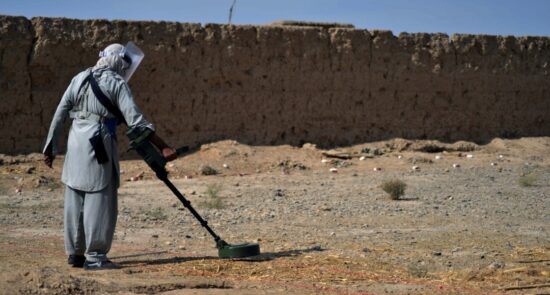
The UN Office for the Coordination of Humanitarian Affairs (OCHA) has raised alarms about the contamination of two-thirds of Afghanistan’s land with explosives, revealing that an average of 15 civilians lose their lives each month due to mine explosions. The organization stressed that most of these victims are children and stated that to address this crisis in 2026, a budget of $14.5 million is needed…
Children: The Primary Victims of War Remnants
OCHA’s latest report warns that millions of Afghan residents face a daily threat from mines and unexploded ordnance left over from decades of conflict. According to the agency’s announcement on social media platform X, approximately two-thirds of Afghanistan’s territory is affected by various types of explosives, severely jeopardizing the safety of residents in these areas.
Urgent Need for Clearing Operations Budget
The UN has emphasized the need to expedite land clearance, declaring that a budget of $14.5 million is required for the year 2026. These funds are intended to enhance demining programs, identify high-risk areas, and expand public awareness campaigns to reduce human casualties.
A Crisis Beyond the Battlefield
The ongoing casualties from explosives occur as many of these munitions are located in agricultural lands, transportation routes, and near residential areas. Inadequate funding and a lack of advanced equipment for deactivation have slowed the clearing process, leaving civilians—who must traverse these hazardous areas for their livelihoods—significantly at risk.
-

Taliban Vows Retaliation Against Pakistani Airstrikes After Civilian Casualties
-
Pakistan’s Ongoing Military Operations Target Militant Threats from Afghanistan
-
Taliban Reports Civilian Casualties from Pakistani Airstrikes in Eastern Afghanistan
-
UN Experts Call on Pakistan to Halt Afghan Refugee Expulsions Amid Rising Risks
-
Rising Tensions in Afghanistan: UN Reports Civilian Casualties from Pakistani Airstrikes
-
UN Reports Devastating Civilian Casualties Amid Taliban-Pakistan Clashes