Taliban’s Censorship Campaign Tightens Grip on Afghanistan’s Cultural Landscape
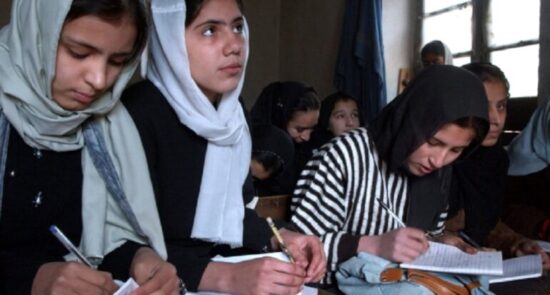
The Taliban’s Text Revision Commission has significantly intensified efforts to eliminate and censor scientific, artistic, legal texts, and even cooking books related to neighboring countries, adopting a Salafi and monopolistic approach. These actions, primarily driven by graduates of schools in Pakistan and Saudi Arabia, alongside Internet blackouts and morality patrols, mark the emergence of a new wave of extreme control over Afghanistan’s cultural landscape.
Escalation of the Text and Book Revision Commission’s Activities
Reports from Kabul indicate that in recent months, the scope of monopolistic and ethnic-driven measures within the interim government, particularly by the Ministries of Higher Education and Promotion of Virtue and Prevention of Vice, has expanded unprecedentedly. In this context, the activities of the agency known as the Text and Book Revision Commission have significantly intensified, diligently pursuing the cleansing of libraries and educational institutions.
Salafi Influence and Foreign Schooling in Censorship
Investigations reveal that a large proportion of decision-makers in this commission, responsible for directly overseeing the censorship and removal of cultural and scientific works, are graduates of religious schools and universities in Saudi Arabia and Pakistan. Experts believe these individuals, due to their education in systems heavily influenced by Salafism, often hold biased views towards the ancient traditions of the region and attempt to impose their specific interpretation on Afghan society.
From Banning Legal Books to Removing Cooking and Sewing Education
The scope of these censorships has extended beyond religious and ideological texts, now encompassing areas that are surprising cultural activists. Reports indicate that in addition to the elimination of scientific and literary texts, artistic and skilled books teaching cooking, theater, singing, and even sewing are being collected and removed under the pretext of conflicting with values. Furthermore, specialized legal texts authored by renowned writers and lawyers in the region have also fallen victim to this censorship, potentially creating a significant gap in the country’s academic and legal landscape.
Controlling Atmosphere and Dark Cultural Prospects
Recent developments in Afghanistan’s social atmosphere serve as evidence that the Islamic Emirate is gradually creating a tighter control over culture and the humanities. Efforts, such as the more pronounced and intimidating presence of morality enforcers in public spaces, the cutting of fiber optic internet in certain areas under the dubious pretext of increasing moral corruption, and the intensified war against books and literary works, all represent pieces of a puzzle indicating the gradual emergence of an extremist approach by a powerful and traditional elite within the government. Many analysts warn that these narrow-minded approaches and confrontations with the natural and cultural needs of society will have no sustainability in the long run and will only deepen the divide between the nation and the ruling authority.
-

Taliban Intensifies Pressure on Afghanistan’s Shia Community: Educational Institutions Targeted
-
Funding Crisis Threatens Women’s Organizations in Afghanistan
-
Clashes Erupt in Kamdish as Taliban and Afghanistan Freedom Front Engage in Heavy Fighting
-
Herat’s Trade Boom: Exchanges with Kazakhstan Reach $581 Million
-
Tensions Flare Again Along the Durand Line Amid Conflicting Claims
-
Human Rights Advocates Urge Action Against Taliban’s Suppression of Religious Minorities in Afghanistan