New Polio Cases Spark Alarm in Afghanistan as Total Reaches Eleven
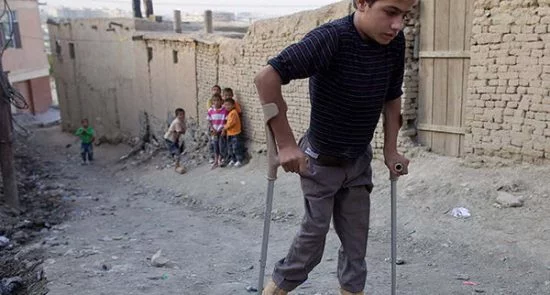
The Global Initiative for Polio Eradication has released a concerning report detailing the identification of four new cases of polio in the provinces of Herat, Helmand, and Nangarhar. With these newly reported cases, the total number of polio infections this year has risen to eleven…
The monitoring section of the Global Polio Eradication Initiative has reported the confirmation of four new positive cases of poliomyelitis in various regions of Afghanistan. According to clinical findings from this international organization, these new cases have been recorded in the provinces of Herat in the west, Helmand in the south, and Nangarhar in the east of the country. This negative health development has raised the total of affected infants and children from the beginning of this year to eleven, triggering a wave of concerns among public health experts worldwide.
International health centers emphasize that the occurrence of these cases in three completely separate and distant areas indicates hidden circulation of the virus and its extensive geographical spread across different social layers. Health experts warn that failing to promptly contain these outbreaks could jeopardize years of progress in public immunity efforts.
Silence from Officials in Kabul and Ambiguity in Preventive Programs
So far, the Ministry of Public Health of the interim government in Kabul has not provided any official or specific response to this report and the published statistical surge. While officials of the ministry have previously claimed in various press conferences that they are implementing strategic and comprehensive programs for the definitive eradication of polio, details regarding operational plans, the timeline for vaccination campaigns, and access to remote areas remain shrouded in ambiguity.
Public health analysts believe that logistical challenges, budget shortages in support of local clinics, and existing barriers preventing health teams from fully accessing the homes of residents in mountainous and rural areas are primary factors contributing to failures in completely blocking the transmission of this dangerous virus. The international community continues to stress that without clear coordination between international organizations and local Kabul authorities, complete salvation of Afghan children from this disease will be impossible.
-

Herat’s Trade Boom: Exchanges with Kazakhstan Reach $581 Million
-
Public Outcry Over Controversial Traffic Police Signage in Afghanistan
-

New Wave of Arbitrary Arrests of Women in Kabul and Herat Raises Alarms
-
Fish Prices Soar in Nangarhar Amid Torkham Border Closure
-
Nangarhar Residents Demand Action Amid Rising Housing Rents Due to Migrant Influx
-
Students in Nangarhar and Kunar Demand Improved Educational Conditions Amid Dress Code Focus