Social updated: November 3, 2026
Short Link:UN Experts Urge EU to Halt Deportations of Afghan Refugees Amid Human Rights Concerns
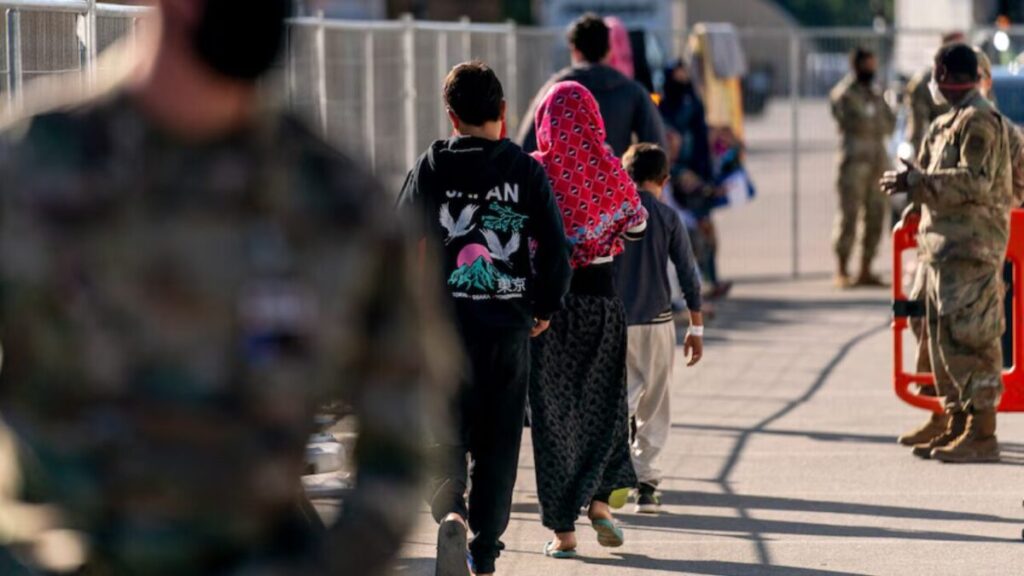
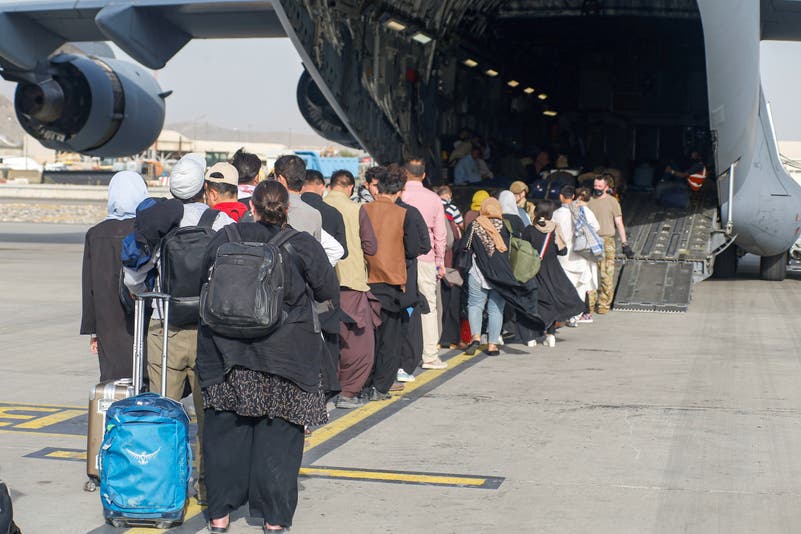
United Nations experts have urged European Union countries to cease the forced deportations of Afghan refugees, expressing serious concerns about the repercussions of these actions.
UN Calls for Halt to Afghan Deportations
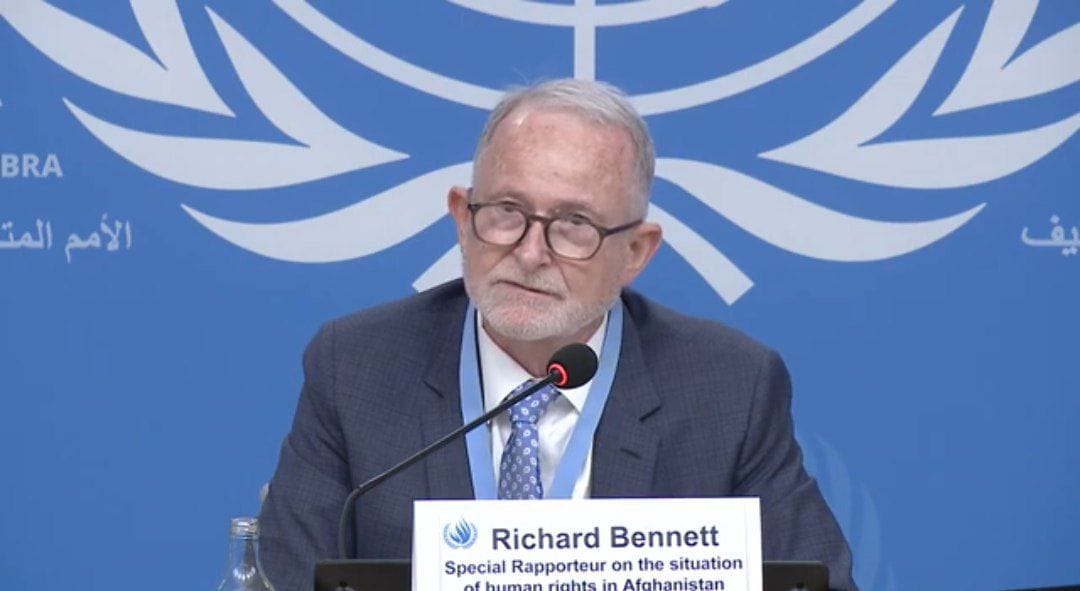
International human rights organizations have repeatedly warned of severe consequences resulting from the rejection of asylum requests. These alerts have sparked significant concern and anxiety among Afghan migrants in European nations, particularly Germany. On October 21, Richard Bennett, the UN Special Rapporteur on human rights in Afghanistan, along with several other UN experts, called on EU member states to end the forced deportation process for Afghan asylum seekers.
The experts cautioned that, according to the legal principle of non-refoulement, returning individuals to a country where they face threats of persecution, torture, or life-threatening situations constitutes a breach of international obligations. Their concerns also highlighted the repression of women and the human rights situation in Afghanistan.
Implications of Engagement with the Taliban
The UN reporters noted that any engagement or negotiations with the Taliban regime to facilitate the return of Afghans—without regard for human rights conditions—could result in further violations of human rights in Afghanistan. Concerns have heightened, especially following reports of European countries, including France, beginning discussions with Taliban officials regarding the return of undocumented and rejected asylum seekers.
Psychological Impact on Afghan Migrants
Furthermore, some young and single Afghan migrants in refugee camps in Germany have reported that after enduring numerous hardships to reach Europe, they now face the nightmarish prospect of deportation and rejected asylum claims, leading to feelings of psychological and physical insecurity. These individuals have called for greater support from international organizations and host countries.
-

Taliban Reinforces Controversial Virtue Law Amidst Global Scrutiny
-
UN Expert Highlights Challenges Facing Afghan Youth Under Taliban Restrictions
-
Taliban Leader Hibatullah Akhundzada Named Among Key Threats to Media Freedom Worldwide
-
Humanitarian Crisis Deepens in Afghanistan as Funding Falls Short
-
UNHCR Clarifies Stance on Afghan Refugee Transfer Amid Growing Concerns
-
Taliban Expresses Concern Over U.S. Plans to Transfer Afghan Refugees to Pakistan