Social updated: November 3, 2026
Short Link:Genocide Watch Sounds Alarm Over Threats to Hazara Community in Afghanistan
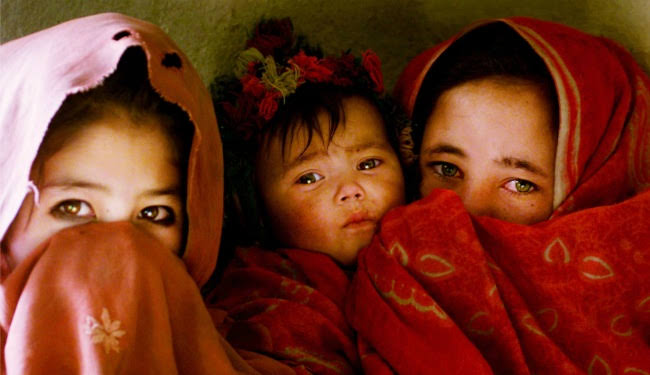
The Genocide Watch organization has released a report highlighting the situation of the Hazara community in Afghanistan, raising alarms about the increasing threats from ISIS and discrimination faced by this group.
Warnings Regarding the Hazara Situation in Afghanistan
In a recently published report, Genocide Watch has issued a stark warning about the deteriorating conditions for Hazaras in Afghanistan under the current interim government. The report points to the growing influence and activities of ISIS within the country, asserting that these circumstances have significantly heightened the vulnerability of the Hazara people.
Historical Context and Violent Events
The report connects the rising threats against Shiites and Hazaras to the extremist ideology of ISIS, which is further empowered by the Taliban’s rule. For instance, it mentions the tragic deaths of 12 civilians during a bombing at a Shiite shrine in Herat in April 2026, and the detention of 45 Hazaras in Kabul on June 18, 2026, for raising Hussaini banners.
Discrimination and Forced Displacement
Additionally, the report highlights discrimination and forced displacement affecting the Hazara community. Over the past five years, security infrastructure and police presence in Hazara-majority areas have deteriorated, contributing to their increased vulnerability. Specific instances noted include the forced relocation of residents from the village of Pasht Asmadan in Sar-e Pol in 2023, and a bomb blast in Dasht-e Barchi, Kabul, which injured over 40 children.
International Calls for Support of Hazaras
The international organization urges global bodies to pay attention to the interim government’s negligence regarding the security of religious gatherings and Hazara schools. Genocide Watch also calls for the formal documentation of ISIS attacks against Hazaras and the submission of these reports to the United Nations Human Rights Council. Lastly, it stresses the need for increased funding from donor countries to support Hazara women and girls, particularly in healthcare and psychological program areas.
-

Panjshir Women Demand Global Action Against Taliban Atrocities
-
Red Cross Enhances Health and Welfare of Afghan Women Amid Challenges
-
France Initiates Talks with Taliban to Facilitate Afghan Asylum Seeker Repatriation
-
US Shifts Security Focus to Drug-Trafficking Regimes in New Foreign Policy Approach
-
Taliban Reinforces Controversial Virtue Law Amidst Global Scrutiny
-
Taliban Leader Hibatullah Akhundzada Named Among Key Threats to Media Freedom Worldwide