Social September 23, 2026
Short Link:Economic Crisis in Afghanistan Delays Marriage Aspirations for Youth
The economic downturn and unemployment in Afghanistan are hindering young people’s ability to form families. Many are facing heavy debts and are actively searching for job opportunities.
The Economic Downturn Makes Marriage Challenging for Afghan Youth
The rising unemployment and economic stagnation in Afghanistan have created significant barriers for young people looking to start families. This situation has led many into overwhelming financial debt and uncertainty.
Many young individuals are forced to take out loans from banks due to the soaring costs of wedding celebrations and find themselves unable to repay these debts. One such individual, Waseem, a 30-year-old from Kabul, took a loan of 300,000 Afghanis five years ago to fund his marriage and has been unable to repay it after losing his job in the media sector.
Economic Pressures and Youth Despair
Waseem highlights the intense pressure from banks, stating that these financial strains have also impacted his personal life. He is simply seeking a stable job to escape his current predicament.
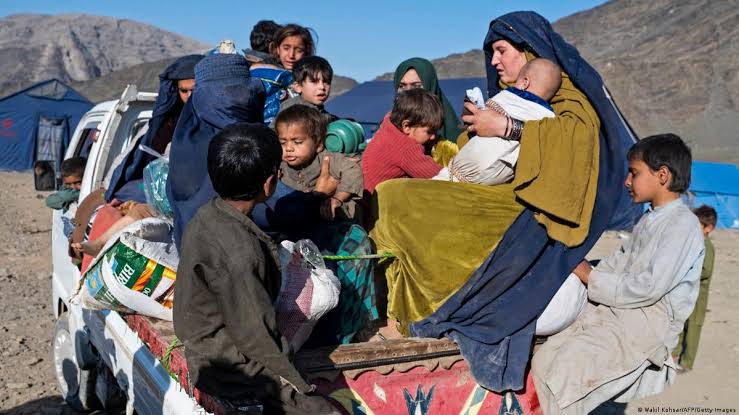
Meanwhile, another young man, who remains unmarried since the fall of the Republic, expresses dissatisfaction with the costly wedding traditions. He had traveled to Iran in search of work but returned after being deported, depleting his financial resources and losing hope for marriage.
Taliban Ministry of Labor’s Promises on Employment
The Taliban Ministry of Labor and Social Affairs has yet to provide a response regarding the issue, although Mohammad Zahid Ahmadzai, the deputy of the department, announced in April plans aimed at reducing unemployment. He mentioned initiatives related to vocational training.
These promises come at a time when a recent report from the International Labour Organization (ILO) has shown that despite a 14% increase in employment from 2022, this growth does not align with the population’s needs or the influx of returning migrants.
Economic Experts’ Views on the Challenges
Nasrullah Wafa, an economic expert, asserts that the only solution to this challenge lies in providing short-term educational programs and supporting small businesses. He emphasizes the importance of international organizations in fostering youth self-sufficiency.
-

Afghan Returnees Face Harsh Winter Without Shelter or Jobs
-
Families Torn Apart: Afghan Migration Driven by Lack of Job Opportunities
-
Critical Malnutrition Crisis Affects Over 500,000 Afghan Children Amid Rising Poverty
-
Afghan Youth Flee Education for Work and Migration Amidst Unemployment Crisis
-
Afghan Women Struggle Against Poverty and Unemployment Amid Taliban Restrictions
-
High Bride Prices Delay Afghan Marriages, Push Young People to Migrate