Social September 3, 2026
Short Link:Afghan Widows Face Crushing Struggles Amid Economic Hardship
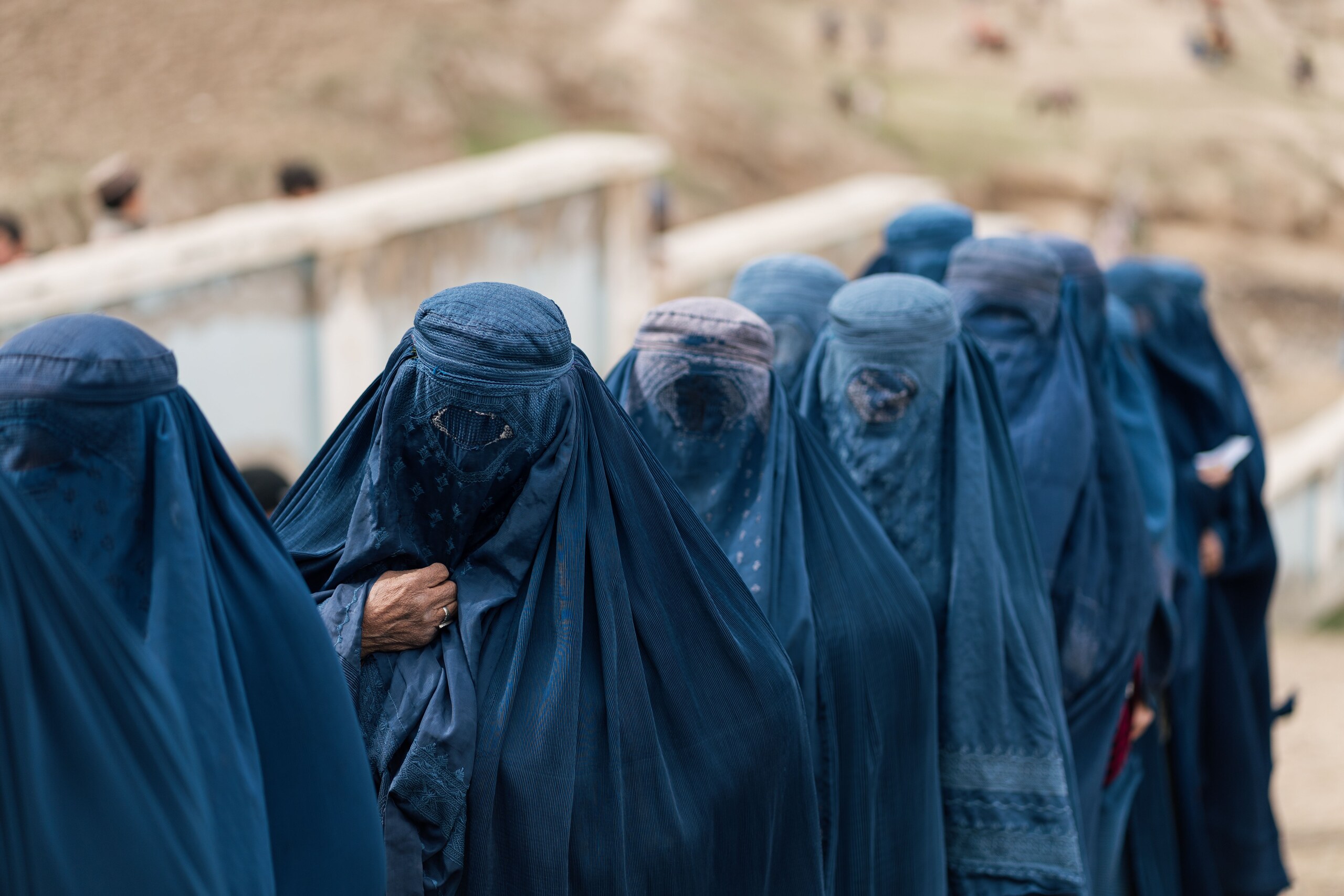
Widowed women in Afghanistan are facing serious financial and social challenges. They express grievances over economic constraints and are calling for assistance.
Afghan Widows Struggle for Survival and Income
The lack of jobs and income has made life increasingly difficult for many widowed women in Afghanistan. After losing their husbands, they bear the sole responsibility of supporting their families and securing the future of their children, a task made much harder by existing work limitations.
Simin, a widow and mother of three, recounts how she became the head of her household after her husband, a soldier in the national army, was killed two years ago during clashes with the Taliban, shortly before the fall of the republic. She is now dealing with numerous challenges and expresses frustration over the lack of support from relevant authorities, stating, “I wish I hadn’t lost my job after my husband’s death.”
Economic Challenges and Unemployment
Other widows are enduring similar hardships. One woman and mother of four from Parwan Province shares, “The difficulties are overwhelming. If we have something to eat in the morning, we are left wondering what we’ll have for dinner.” Before losing her job, she worked at an NGO and is now appealing for assistance from aid organizations for herself and other widowed women.
Another woman, who lost her husband four years ago while he was trying to migrate illegally to Iran, reports that her children have been unable to attend school due to financial difficulties. She adds, “If I could at least secure a small income from somewhere, I could manage my life better.”
Harsh Reality for Female Heads of Household
According to reports, the Taliban’s Ministry of Martyrs and Disabled has registered over 395,000 orphans and 98,000 widows in Afghanistan. However, many of these women express dissatisfaction over the lack of received aid. Some international organizations report that 11 million women and girls in Afghanistan urgently need assistance.
The International Labour Organization has also noted a decline in women’s participation in the workforce to 5.1%, identifying Afghanistan as the country with the second-lowest rate of female workforce participation. Restrictions on women’s work and economic activities have intensified since the Taliban regained power.
-

Taliban Intensifies Pressure on Afghanistan’s Shia Community: Educational Institutions Targeted
-
Funding Crisis Threatens Women’s Organizations in Afghanistan
-
Clashes Erupt in Kamdish as Taliban and Afghanistan Freedom Front Engage in Heavy Fighting
-
Herat’s Trade Boom: Exchanges with Kazakhstan Reach $581 Million
-
Tensions Flare Again Along the Durand Line Amid Conflicting Claims
-
Human Rights Advocates Urge Action Against Taliban’s Suppression of Religious Minorities in Afghanistan