Social September 3, 2026
Short Link:Afghan Conflict Victims Demand Justice Amidst Years of Neglect
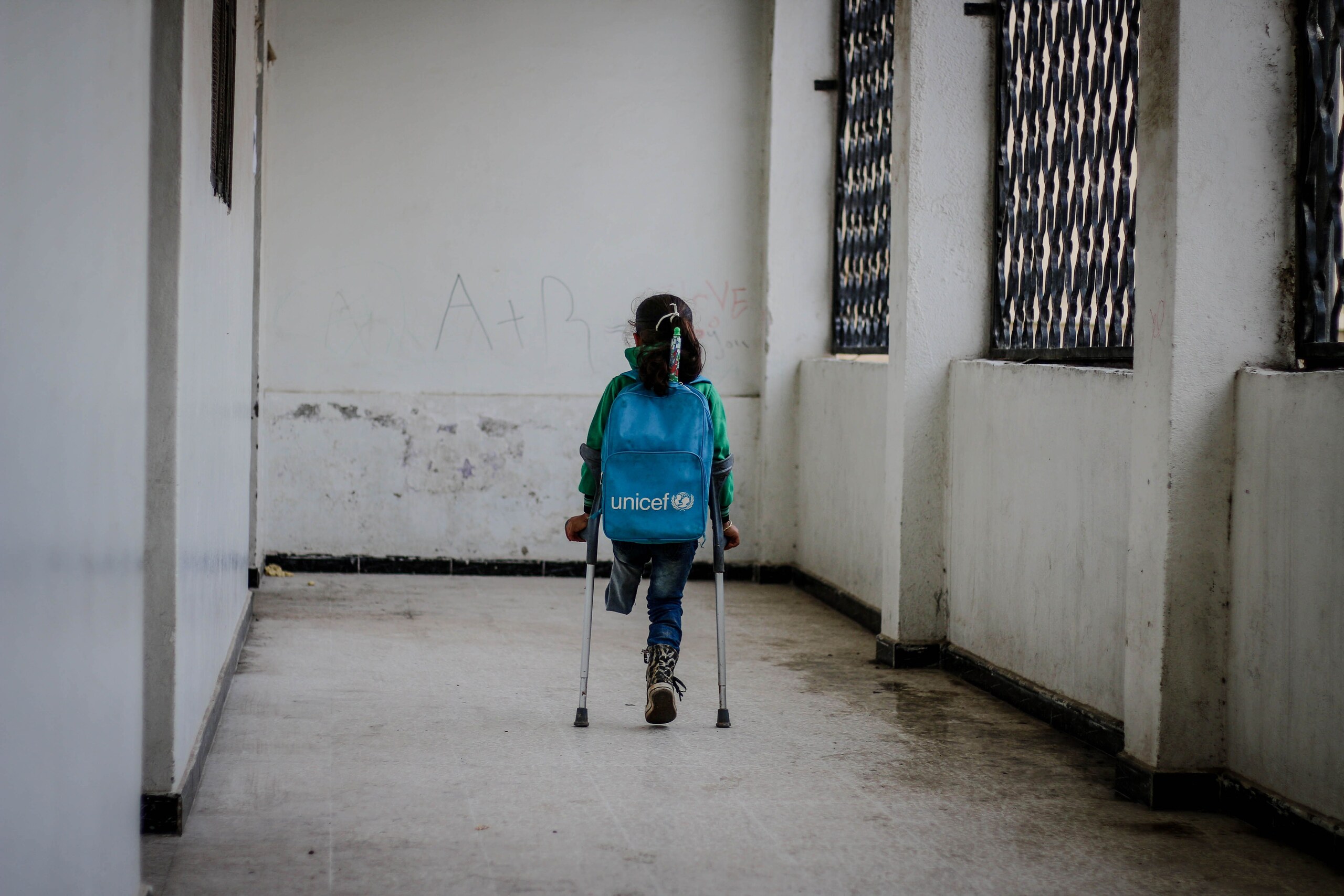
Victims of the recent decades of conflict in Afghanistan have shared their painful stories, expressing despair over a lack of justice. A new report from UNAMA highlights the number of war casualties and their pressing needs.
Afgahnistan’s War Victims: A Call for Justice Amid Repeated Neglect
Many victims of the past decades of war in Afghanistan and their families have voiced their disillusionment with the failure to achieve justice. According to a recent report by the United Nations Assistance Mission in Afghanistan (UNAMA), most of these victims have not seen satisfactory outcomes despite reaching out to responsible authorities.
Many victims have chosen to abandon their pursuit of justice out of fear of retaliation. In interviews with nearly 195 victims, UNAMA found that many reported experiencing psychological trauma, including depression and anxiety. Mohammad, a victim from Kabul who was injured in a suicide bombing in 2020, recounted that many of his classmates were killed in the attack, leaving him severely traumatized.
Fatalities Stats and Overlooked Aspirations
According to official data from the previous government, 24 people were killed and around 50 wounded in that attack. Beyond ISIS, other groups have also been responsible for civilian casualties in Afghanistan over the past two decades. Khan Yousufi, a victim whose son was killed by government forces and whose wife was injured, has stated that he has approached various institutions, yet his voice has gone unheard.
In a report released on September 10, UNAMA revealed that between 2009 and 2021, over 40,000 civilians were killed and an additional 77,000 injured due to the conflict. The organization emphasized the need to recognize the suffering of victims and called for actions to secure their rights.
Challenges in Achieving Justice and the Needs of Victims
Nasrullah Stanakzi, a former professor at Kabul University, noted that none of the warring parties have admitted to their crimes, and justice remains unfulfilled. While institutions like the Independent Human Rights Commission were established during the republic era, none have succeeded in delivering justice for the victims.
UNAMA has also urged member countries of the United Nations to send humanitarian aid to Afghanistan based on the priorities of the victims. Currently, nearly half of Afghanistan’s population is in dire need of this assistance, while international organizations face challenges in securing financial resources.
-

Nicolas Bilomo Appointed Head of EU Delegation in Afghanistan
-

Public Outcry Over Controversial Traffic Police Signage in Afghanistan
-
Successful Military Operation in Nuristan Halts ISIS Infiltration
-
Tensions Flare Again Along the Durand Line Amid Conflicting Claims
-
Turkey’s Intelligence Chief Engages in Security Talks in Afghanistan and Pakistan
-

New Wave of Arbitrary Arrests of Women in Kabul and Herat Raises Alarms