Shifts in Governance: Afghanistan’s Turn Toward Political Realism
An analytical review of the past five years of governance in Afghanistan reveals significant shifts in ideological positions, moving towards political realism. This analysis criticizes the covert economic and political relationships with Western parties, characterizing the current policy as a form of deal-making driven by self-interest and devoid of ethical principles.
Transformations in Political Policy After Five Years of Governance
Five years after the political restructuring in Afghanistan, evident and hidden relationships between the new Kabul authorities and Western entities, particularly the United States, have sparked considerable discussion in analytical circles. Political observers believe that the ruling regime, contrary to its initial claims and slogans advocating a purely religious-based governance, has effectively prioritized material interests and political expediencies.
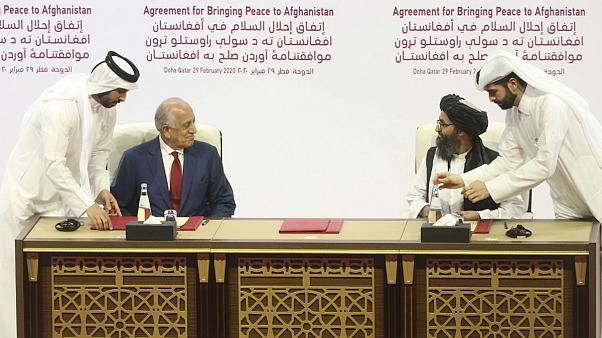
In this context, the roles of figures such as Zalmay Khalilzad and the signing of economic and oil contracts with foreign companies are viewed as signs of a prevailing commercial perspective overshadowing past ideals.
Disconnection Between Ideological Bodies and Decision-Making Apparatus
A central theme of this analytical critique is the disconnect that has emerged between the ideological-military base and senior decision-making levels. While the grassroots forces were sent into battle over two decades under sacred slogans of jihad and preservation of religious ideals, they are now witnessing strategic shifts and high-level commercial discussions among their top officials with foreign entities.
This approach suggests that these slogans were merely tools to justify warfare, while in practice, the outcomes of these battles and deals have mainly benefited a particular section of the leadership and regional players.
Ethical Deficiency in Politics and Historical Shifts in Conceptual Definitions
This analytical report emphasizes, through a review of various historical dossiers and the changing names and faces—from shifting definitions of groups and individuals to the freedom of certain figures amid political transactions—that when the decision-making arena is stripped of ethics, principles, and fixed values, politics morphs into mere mercantilism.
In this model of governance, frameworks, titles (such as emirate or republic), and slogans are merely superficial expressions that adapt to current conditions and interests while the essence remains based on bargaining for resources and power.


