Economic updated: September 12, 2026
Short Link:Pakistani Politicians Urge Reopening of Borders Amid Growing Iran-Afghanistan Trade
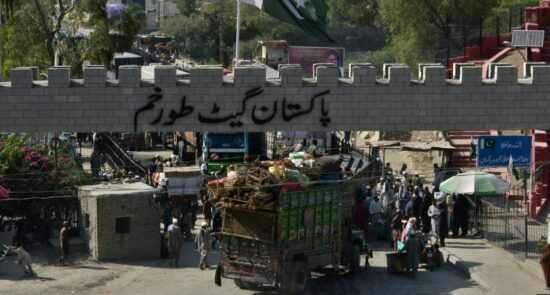
Pakistani politicians have reacted to the statements made by the Iranian chargé d’affaires in Kabul regarding the increase in trade with Afghanistan, calling for the reopening of border crossings.
Pakistani Politicians Respond to Iran’s Statements
Alireza Beikdeli, the Iranian chargé d’affaires in Kabul, announced that trade volume between Iran and Afghanistan has grown to $4 billion, with a target of reaching $10 billion. This announcement sparked a response from several Pakistani politicians. Afrasiab Khattak, a former senator and head of the Awami National Party, commented on this, stating that international trade is akin to an ocean; if one route is blocked, there will always be alternative paths to keep the flow going.
Khattak emphasized that various countries continually have other options available to enhance their economic relations, and limitations cannot prevent the establishment of new cooperation routes.
Impact of Trade Disruptions on Pakistan
These remarks came at a time when trade between Afghanistan and Pakistan has stalled due to the closure of border crossings last year. Economic actors and politicians in Pakistan have been vocal in their calls to reopen the borders and resume trade activities. Senator Mushahid Hussain Syed, a former senator and head of the Foreign Relations Committee of the Pakistani Senate, criticized the halt in trade as punitive and said this approach has had counterproductive effects.
He added that such policies harm Pakistan’s interests, as traders in the country suffer from reduced exchanges and the closure of economic routes with Afghanistan. Previously, political figures and representatives of the private sector have also stressed the necessity of reopening trade routes.
Concerns over the Future of Regional Trade
Business unions and economic stakeholders in Pakistan have warned about the losses stemming from the continued closure of the borders, stressing the need for the resumption of trade and transit between the two countries. Additionally, some Pakistani politicians have called for direct dialogue to resolve disputes and reopen trade crossings to prevent damage to the livelihoods of border communities.
These responses come amidst escalating efforts to strengthen economic and infrastructural cooperation between Iran and Afghanistan, raising concerns about Pakistan’s diminishing role in regional trade. Critics in Pakistan believe that restrictive trade policies could lead to the establishment of alternative trade routes for Afghanistan with other countries, including Iran and Central Asian nations.
-

UN Calls for Urgent Action as Afghanistan Faces Deepening Crisis
-
Afghanistan’s Road Crisis: Over 92% Unpaved, Threatening Access to Healthcare
-
Returnees from Pakistan Face Dire Educational and Economic Challenges for Daughters
-
Tensions Flare Again Along the Durand Line Amid Conflicting Claims
-
UN Official Urges Essential Role of Women in Afghan Humanitarian Efforts
-
Human Rights Advocates Urge Action Against Taliban’s Suppression of Religious Minorities in Afghanistan