Economic updated: November 3, 2026
Short Link:Economic Crisis in Afghanistan Puts Millions of Children at Risk of Malnutrition
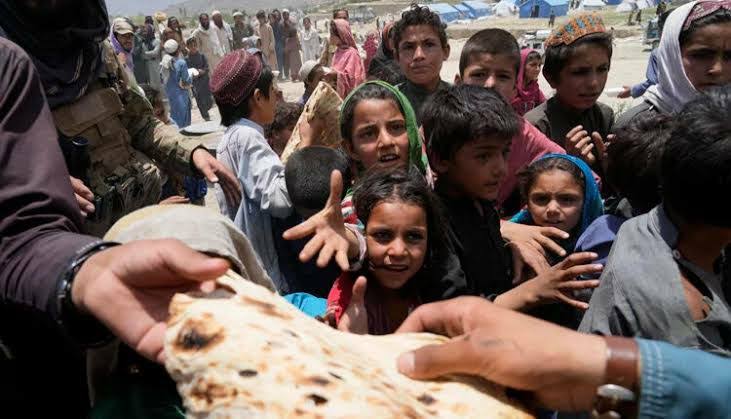
The worsening economic crisis in Afghanistan is severely impacting families’ ability to provide nutritious foods such as milk and meat. Currently, 3.7 million children under the age of five are at risk of malnutrition.
The Economic Crisis in Afghanistan Threatens Nutritional Food Access for Children
The effects of the economic crisis and the shrinking purchasing power of the Afghan populace have hindered their capacity to procure nutritious and diverse foods, including milk, meat, eggs, and legumes, for their children. Most families are dedicating their income to essential expenses like housing rent and utility bills.
Substituting Nutritious Foods with Cheaper Alternatives
As costs continue to rise, many mothers in Kabul and other provinces are forced to replace more expensive food items with cheaper alternatives such as dry bread or low-quality rice. These changes are causing concern among parents and have caught the attention of nutrition experts.
Stable but Unaffordable Food Prices
Despite the stability in prices for some food items like eggs and milk, purchasing these daily essentials remains a struggle for low-income families. Experts advise households to utilize inexpensive legumes such as lentils and chickpeas to help compensate for their protein deficiencies.
Malnutrition and Health Challenges
According to statistics from the United Nations Children’s Fund (UNICEF), approximately 3.7 million children under five in Afghanistan are at risk of malnutrition. Additionally, the Ministry of Public Health has previously reported that nearly three million women and children across the country are facing varying degrees of malnutrition. This crisis has sharply escalated following a reduction in international aid to the health sector.
-

Hamid Karzai Urges Immediate Reopening of Schools for Girls in Afghanistan
-
UN Warns of Intensifying Humanitarian Crisis in Afghanistan as Winter Approaches
-
Red Cross Enhances Health and Welfare of Afghan Women Amid Challenges
-
National Polio Vaccination Campaign Launches in Afghanistan
-
UNICEF Urges Urgent Vaccination Efforts as Polio Cases Rise in Afghanistan
-
Japan Supports UNICEF’s Polio and Health Services Efforts in Afghanistan Amidst Humanitarian Crisis