Economic September 1, 2026
Short Link:Afghanistan Faces Economic Crisis as Unemployment Soars to 30%
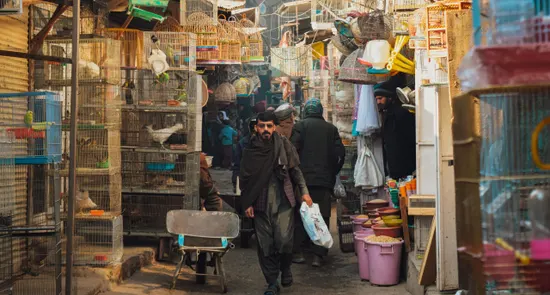
The declining job opportunities in Afghanistan have led many families into debt. The current unemployment rate has reached 30%, leaving 29 million people struggling to meet their basic needs.
Economic Crisis and Unemployment in Afghanistan
The lack of work and falling incomes have resulted in significant hardships for Afghan families. Shafiqullah, a man with disabilities from Nangarhar, has begun borrowing from local shopkeepers to provide food for his family of 13 due to unemployment and insufficient income. He shares, “To buy flour or rice, I borrow money from the shopkeeper, but many can no longer lend me any.”
This situation extends beyond Shafiqullah; the Taliban’s Ministry of Labor and Social Affairs has reported that the unemployment rate has escalated to 30%. In contrast, the World Bank pegged this figure at around 12% in 2021. Gul Mohammad, a daily laborer in Kabul, also highlights the economic challenges and the scarcity of job opportunities, stating that he relies on borrowing to get by.
Living Challenges and the Need for Proper Planning
Alexander De Croo, President of the United Nations Development Programme (UNDP), noted on July 5, 2023, that three out of four individuals in Afghanistan are unable to meet their basic needs. He emphasized crises related to poverty and restrictions on women’s employment, which have further exacerbated the economic situation.
Food vendors in Kabul report a surge in requests for loans, indicating that this trend is increasing their financial strain as well. Mohammad Zaher, a vendor in Kabul, comments, “Many customers borrow their essential goods each month, which creates difficulties for us.”
The Need for Skills Development and Investment
Economic experts believe that improving Afghanistan’s economic status requires more than just job creation. Bashir Doodial, an economic analyst, asserts, “We need specialized and innovative skills. If job opportunities are created, the conditions for acquiring these skills must also be established.”
These experts stress the importance of investment and support for the private sector, arguing that a conducive environment for economic activities and access to financial resources can help reduce unemployment and enhance the living conditions of the people.


