Economic updated: November 3, 2026
Short Link:Afghanistan Faces Alarming Rise in Multidimensional Poverty and Food Insecurity
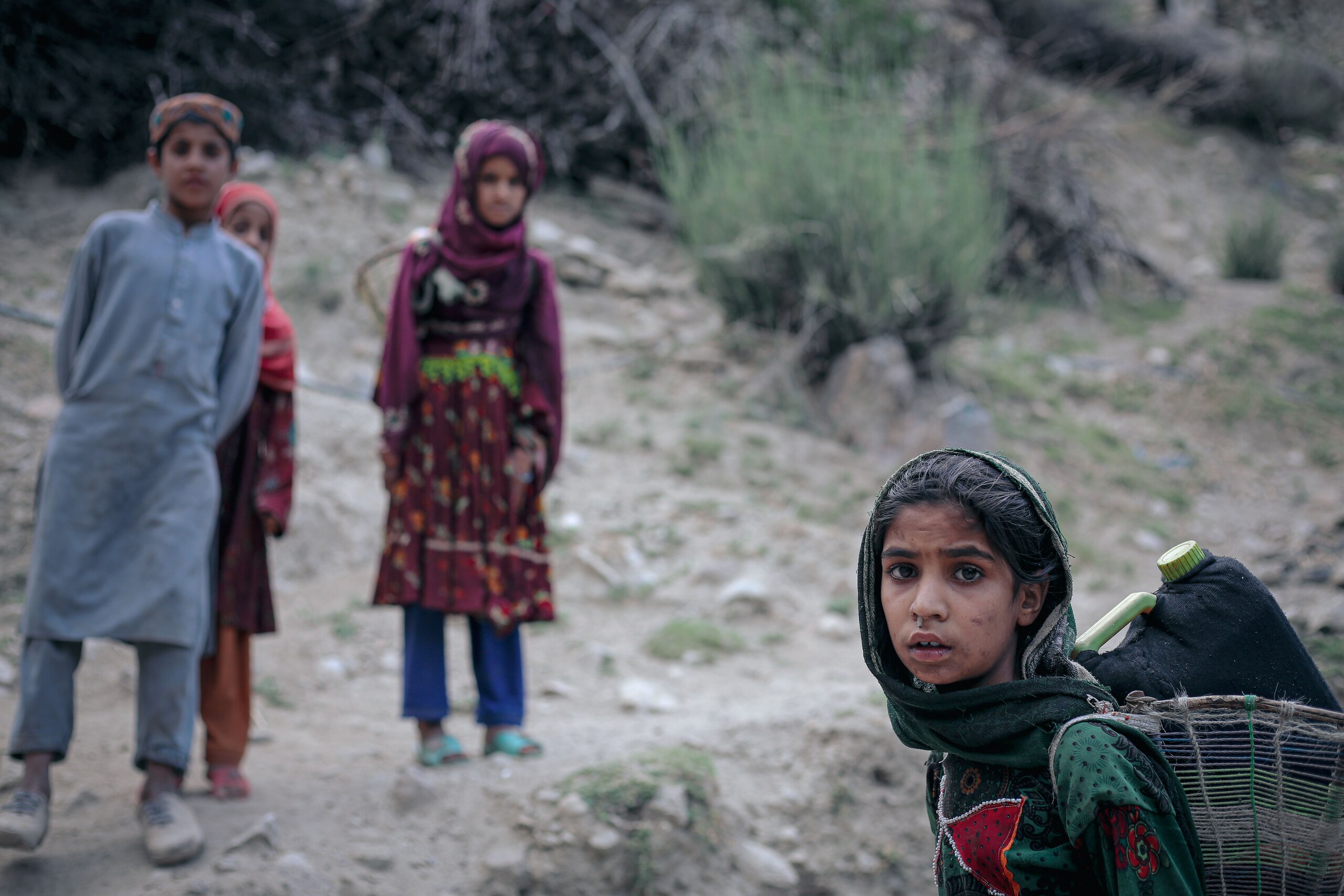
A recent United Nations report reveals that 64.9% of Afghanistan’s population is experiencing multidimensional poverty, while an additional 39.1% are facing severe poverty. Concurrently, the country’s food crisis is deteriorating.
Multidimensional Poverty in Afghanistan
The latest findings from the Global Multidimensional Poverty Index 2026, published by the United Nations Development Programme (UNDP) and the Oxford Poverty and Human Development Initiative, indicate that 64.9% of Afghanistan’s residents are grappling with widespread deprivations in education, health, and basic living conditions.
According to the report, 39.1% of the population lives in severe poverty. Additionally, 19.9% are hovering just above the poverty line and are highly vulnerable to economic shocks. Educational and developmental deprivations have been identified as the primary cause of poverty in the country, accounting for 42.5% of the factors involved.
Food Crisis and Urgent Need for Treatment
Simultaneously, the United Nations has issued a warning about the escalating food security crisis in Afghanistan, estimating that nearly 40% of the country’s population will face acute food insecurity in the upcoming winter. Over four million children in Afghanistan require urgent treatment for malnutrition.
Globally, statistics show that 1.2 billion people are living in severe multidimensional poverty, with children making up more than half of this population. These alarming figures highlight the urgent need to address the humanitarian situation in Afghanistan and other developing countries.
-

Hamid Karzai Urges Immediate Reopening of Schools for Girls in Afghanistan
-
UN Warns of Intensifying Humanitarian Crisis in Afghanistan as Winter Approaches
-
Resurgence of Opposition Threatens Security Along Afghanistan’s Borders
-
UN Alarmed as Financial Aid Plummets, Threatening Healthcare in Afghanistan
-
Emerging Security Challenges Threaten Stability in Northern Afghanistan
-
Al-Falah Bank Concludes 20-Year Operations in Afghanistan, Assets Transferred to Ghazanfar Bank