Article updated: December 23, 2025
Short Link:What Trump’s Middle East Plan Means for Palestinians
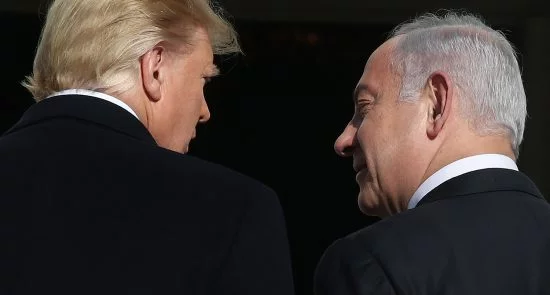
The Controversial Trump Middle East Plan: A Path to Peace or Perpetuation of Conflict?
Ariana News Agency
The Trump administration’s Middle East peace plan, often referred to as the “Deal of the Century,” has sparked intense debate and widespread criticism globally. This proposal, unveiled in January 2020, aimed to resolve the longstanding Israeli-Palestinian conflict. However, it has been met with skepticism, particularly from the Palestinian side, which views the plan as heavily biased in favor of Israel.
Understanding the Core Elements of the Plan
At the heart of the Trump Middle East Plan is the recognition of Jerusalem as the “undivided” capital of Israel. This move has been contentious, as it disregards the international consensus and the provisions of International Humanitarian Law (IHL) that consider East Jerusalem occupied territory. The annexation of East Jerusalem by Israel has long been a point of contention, and this plan further entrenches the divide.
Another critical aspect of the plan is its stance on Palestinian refugees. The proposal effectively dismisses the right of return for Palestinian refugees, a right enshrined in UN General Assembly Resolution 194. This resolution has been a cornerstone of peace negotiations since the Oslo Accords, yet the Trump plan sidelines this issue, suggesting that Palestinian refugees should be resettled outside of Israel.
The Impact on Palestinian Sovereignty
Perhaps the most significant criticism of the Trump Middle East Plan is its impact on the possibility of an independent Palestinian state. The plan envisions a fragmented Palestinian territory, akin to the Bantustans of apartheid-era South Africa, which undermines any potential for genuine sovereignty. This division is viewed by many as a means to control and displace the Palestinian population, as discussed in the article Widespread Opposition to Trump’s Plan for “Control Over Gaza” and Palestinian Population Displacement.
International Reactions and Regional Implications
The international community’s response to the Trump Middle East Plan has been mixed. While some countries have expressed support, many others, including key stakeholders in the region, have voiced strong opposition. The plan’s unilateral nature and perceived bias have led to increased tensions, not only between Israelis and Palestinians but also among neighboring countries.
In the broader context of Middle Eastern geopolitics, the plan has implications for regional alliances and conflicts. For instance, the role of Saudi Arabia and its intelligence operations in regional politics, such as the assassination of Yemeni officials, highlights the complex web of interests at play.
Comparisons to Historical Precedents
The Trump Middle East Plan has drawn comparisons to historical precedents, particularly the South African apartheid system. The proposed map of Palestinian territories bears a striking resemblance to the Bantustans, separate territories designated for the black population during apartheid. This comparison underscores the concerns about the plan’s potential to institutionalize inequality and segregation.
Furthermore, the plan’s approach to resource management and territorial control echoes other instances of foreign intervention, such as the allegations that the US plunders the wealth of the Syrian people. These parallels raise questions about the ethical implications of the plan and its alignment with international norms.
The Path Forward: Challenges and Opportunities
As the world grapples with the implications of the Trump Middle East Plan, the path forward remains uncertain. The plan’s rejection by Palestinian leaders and its divisive nature pose significant challenges to its implementation. However, it also presents an opportunity for renewed dialogue and negotiation.
The involvement of international actors, such as the European Union, which has positioned itself as a guarantor of peace talks in other regions, could play a crucial role in mediating a more balanced and inclusive solution. The lessons learned from other geopolitical conflicts, such as the UK’s departure from the European Union, as discussed in UK Left the European Union, may offer valuable insights into navigating complex negotiations.
Ultimately, the success of any peace plan hinges on its ability to address the core issues of the conflict and garner the support of all parties involved. As the international community continues to monitor developments, the hope for a just and lasting peace remains a distant but not unattainable goal.
-

Russia and Taliban Discuss Stability Amid Rising Tensions in the Region
-
Afghanistan’s Mujahid Defends Iran Amid US-Israel Tensions
-
US and Israel’s Military Actions Impact Food Security in Afghanistan
-
Emergency Landing of Spanish Prime Minister’s Aircraft Raises Eyebrows Amid Diplomatic Tensions with Israel
-
UAE’s OPEC Exit Signals Shift in Regional Alliances and Economic Tensions
-
Stephen Doughty Appointed as UK Minister of State for Foreign Affairs


