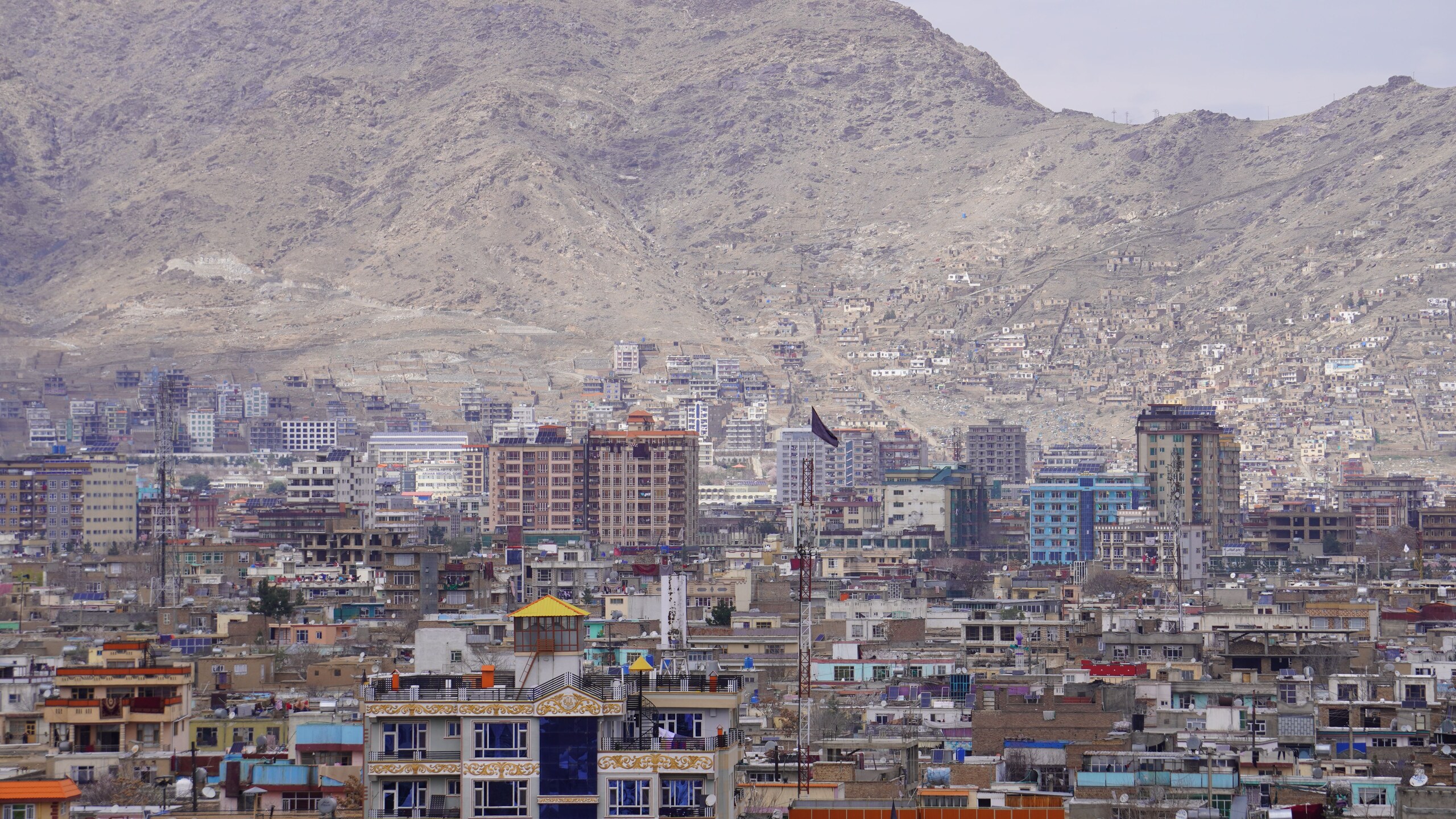
Taliban’s Supreme Court Implements Corporal Punishment for Drug Offenders Amid International Outcry
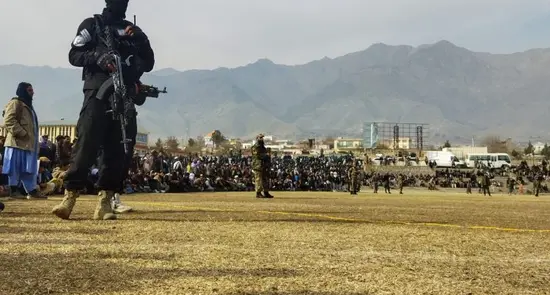
The Taliban’s Supreme Court has announced the implementation of corporal punishment and imprisonment for 21 individuals accused of drug trafficking and alcohol sales in Kabul. Despite widespread international criticism, these actions continue to be carried out under the banner of enforcing Sharia law.
Implementation of Sentences for 21 Defendants in Kabul
In a recent statement, the Supreme Court of the interim government in Kabul revealed that, following the final decisions of primary courts and the endorsement of higher judicial authorities, 21 individuals have been sentenced to corporal punishment for their involvement in the purchase and sale of illegal substances. The statement noted that the process has commenced in the capital, where the defendants will face both corporal punishment and imprisonment.
Details of Sentences and Imprisonment Periods
Court officials in Kabul have clarified that each person received between 10 to 39 lashes, depending on the nature of their offenses and the extent of their involvement in the distribution of banned substances. In addition to corporal punishment, these individuals are facing medium to long-term prison sentences, starting from seven months and, in some cases, extending to four years and three months. These sentences were enacted following the review of their cases in appropriate courts and final confirmation within the Taliban’s judicial hierarchy.
Escalating Tensions Between Kabul and Human Rights Organizations
The ongoing execution of public corporal punishments in recent months has provoked a significant backlash from international organizations, particularly from the United Nations. Human rights experts from the UN have once again issued warnings, stating that the increase in such public punishments clearly violates international treaties and human rights laws to which Afghanistan had previously committed. These organizations are calling for an immediate halt to practices they believe infringe on human dignity.
Meanwhile, officials from the interim government, undeterred by diplomatic pressures and global warnings, insist on the necessity of continuing this process. Taliban spokespeople and judicial authorities repeatedly assert that the enforcement of Sharia law and corporal punishments is an integral part of the Islamic legal system. They believe these measures are essential for ensuring social security and reducing crime within the country and have no intention of backing down.
-

Public Outcry Over Controversial Traffic Police Signage in Afghanistan
-
Successful Military Operation in Nuristan Halts ISIS Infiltration
-
Tensions Flare Again Along the Durand Line Amid Conflicting Claims
-
Turkey’s Intelligence Chief Engages in Security Talks in Afghanistan and Pakistan
-

New Wave of Arbitrary Arrests of Women in Kabul and Herat Raises Alarms
-
Families Face Eviction and Homelessness as Winter Approaches in Kabul