News updated: November 3, 2026
Short Link:Kabul’s Dust Crisis: Health and Economic Challenges for Residents Amid Delayed Road Projects
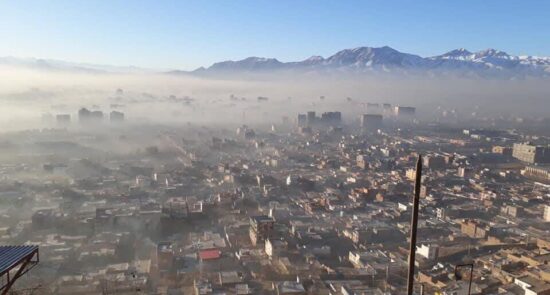
The increasing dust in Kabul, caused by incomplete road construction projects, is severely impacting the health and economic activities of residents. Concerns regarding the health of children during the cold season have also heightened.
Challenges Posed by Dust in Kabul
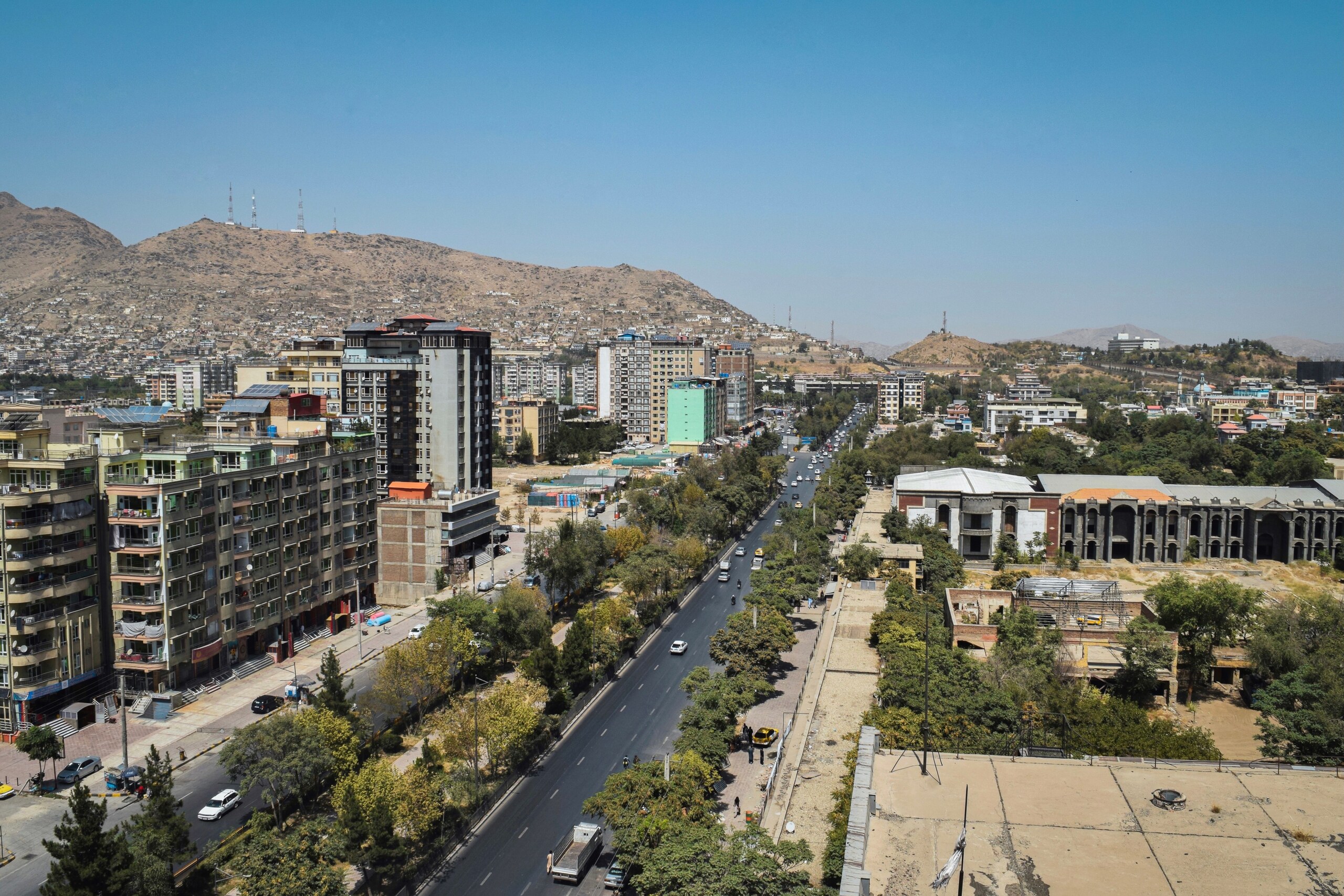
The surge in dust levels in Kabul, attributed to delays in road construction projects, has dramatically affected the daily lives and economic activities of its inhabitants. The failure to complete these projects on time across various areas of the city has resulted in a significant rise in airborne dust.
Individuals traversing these routes report experiencing respiratory issues, eye irritation, and their clothing becoming dirty due to the frequent dust. Although residents welcome infrastructure improvements, the lack of progress on projects, which have been stalled for months, is concerning.
Economic Impact on Local Businesses
Merchants and shopkeepers in Kabul—particularly in the sixteenth district—are increasingly worried about the economic repercussions of the dust. According to them, the constant settling of dust on products and the necessity to close shop doors have led to a decrease in customers and stagnation in the market.
Environmental Challenges in the Cold Season
The environmental crisis in the capital extends beyond road projects. As the cold season approaches, emissions from vehicles and industrial activities are exacerbating air pollution. Reports from the World Health Organization indicate that last year, the concentration of particulate matter PM2.5 in Afghanistan reached twelve times the permissible limit.
These fine particles, which are invisible, pose significant risks to respiratory health, increasing the likelihood of heart disease, lung issues, and strokes—especially among children, the elderly, and pregnant women. Families are now anxious about the health of their children and are calling on authorities to take immediate action to control air pollution.
Lack of Accountability from Authorities
Despite ongoing criticism regarding road blockages and inadequate alternative solutions, Kabul municipal officials have yet to provide a clear response. Residents emphasize the need for effective measures to prevent the spread of dust during urban project implementations.
-

Taliban Reinforces Controversial Virtue Law Amidst Global Scrutiny
-
Pakistan’s Military Issues Stern Warning to Taliban Amid Rising Tensions
-
Concerns Grow as Taliban Detains Women Over Dress Code Violations in Afghanistan
-
Pakistan’s Minister Urges Afghanistan to Address Security Concerns Amid Rising Tensions
-
Trade Relations Between Afghanistan and Pakistan Plummet by 95% Amidst Ongoing Tensions
-
Taliban Justice Minister Accused of Forcibly Seizing Homes from Shia Citizens in Kabul