Featured updated: December 23, 2025
Short Link:Things you Probably Didn’t Know about the Titanic
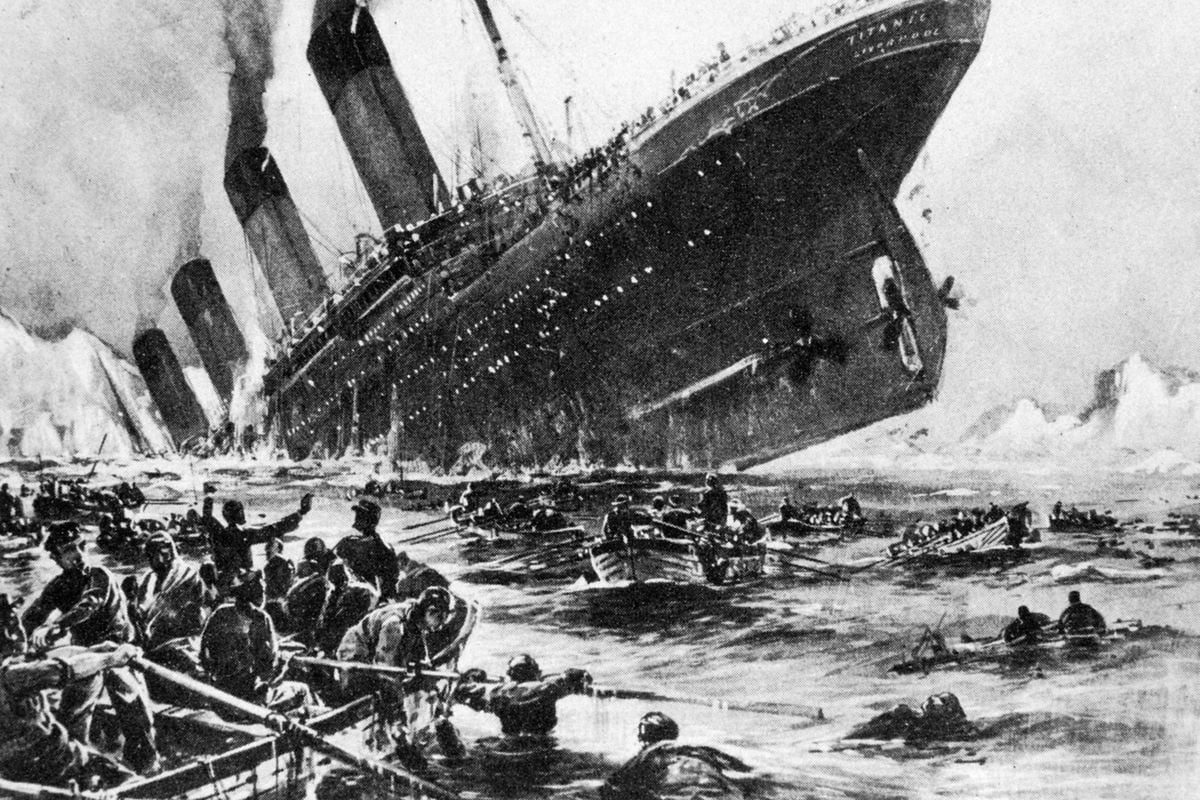
The Titanic: A Legacy of Grandeur and Tragedy
The RMS Titanic, often referred to as the “unsinkable” ship, embarked on its maiden voyage from Southampton, England to New York City in April 1912. This luxury cruise liner was not only the largest of its kind but also a marvel of modern engineering and opulence. However, just four days into its journey, the Titanic struck an iceberg and sank, leading to the tragic loss of over 1,500 lives. The story of the Titanic continues to captivate the world, not only because of the disaster itself but also due to the human stories of heroism and drama that unfolded during those fateful hours.
The Titanic’s Construction and Design
The Titanic was a product of the early 20th-century race to build the largest and most luxurious ocean liner. Constructed at the Harland and Wolff shipyard in Belfast, the Titanic was designed to be a floating palace. It boasted lavish interiors, including a grand staircase, opulent dining rooms, and even a swimming pool, features that were considered cutting-edge at the time. The ship’s construction involved thousands of workers and took over two years to complete.
Engineering Marvels and Safety Features
The Titanic was equipped with advanced technology for its time, including a sophisticated telegraph system and watertight compartments designed to keep the ship afloat even if multiple sections were breached. Despite these innovations, the ship’s safety measures were woefully inadequate. The Titanic carried only 20 lifeboats, enough for just half of the passengers and crew on board. This oversight would prove catastrophic on the night of the sinking.
The Fateful Voyage
The Titanic set sail on April 10, 1912, with a passenger list that included some of the wealthiest and most famous individuals of the era. The ship’s grandeur and the allure of its maiden voyage attracted a diverse group of travelers, from first-class socialites to third-class immigrants seeking a new life in America. The journey was meant to be a symbol of human achievement and progress.
The Iceberg Collision
On the night of April 14, 1912, the Titanic collided with an iceberg in the North Atlantic. The impact caused a series of breaches along the ship’s starboard side, flooding the compartments. Despite the initial calm among passengers, it soon became clear that the ship was doomed. The crew’s attempts to signal for help were met with silence, as nearby ships were too far to respond in time.
The Aftermath and Legacy
The sinking of the Titanic sent shockwaves around the world. The tragedy prompted significant changes in maritime regulations, including the requirement for sufficient lifeboats for all passengers and the establishment of the International Ice Patrol to monitor iceberg threats. The Titanic’s story has been immortalized in countless books, films, and documentaries, ensuring that its legacy endures.
Cultural Impact and Continued Fascination
People remain fascinated by the Titanic for various reasons. According to Don Lynch, the official historian for the Titanic Historical Society, the ship’s story is compelling due to its scale, the drama of its sinking, and the human stories of courage and sacrifice. The Titanic’s allure is similar to that of other historical events that capture the public’s imagination, such as the Holi Celebration in India, which draws attention for its vibrant cultural significance.
Lessons Learned and Modern Reflections
The Titanic disaster serves as a poignant reminder of the limits of human ingenuity and the unpredictable power of nature. It highlights the importance of safety and preparedness, lessons that are applicable in various fields today. For instance, the need for caution and respect for natural forces is echoed in the actions of a snake expert who approaches potentially dangerous situations with care and expertise.
Moreover, the Titanic’s story resonates with themes of human ambition and the quest for progress, themes that are also reflected in the advice of influential figures like Bill Gates. In his reflections, Gates emphasizes the importance of learning from past mistakes and striving for improvement, much like the lessons drawn from the Titanic’s tragic voyage. For more insights, explore 8 Pieces of Advice Bill Gates Would Give His Younger Self.
Conclusion
The Titanic remains a powerful symbol of human ambition, tragedy, and resilience. Its story continues to inspire and educate, reminding us of the delicate balance between human innovation and the forces of nature. As we reflect on the Titanic’s legacy, we are reminded of the importance of humility, preparedness, and the enduring human spirit.

