Featured updated: December 23, 2025
Short Link:Never Charge Your Phone in these Places
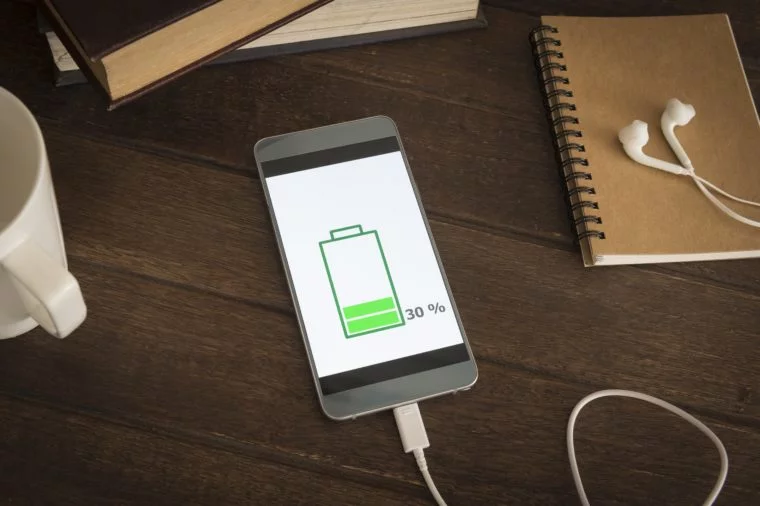
The Hidden Dangers of Public Charging Stations: What You Need to Know
Ariana News Agency –
In our increasingly digital world, staying connected is more crucial than ever. Whether for work, communication, or entertainment, our reliance on smartphones is undeniable. However, this dependency often leads to a common dilemma: running out of battery power when away from home. Public charging stations might appear to be a convenient solution, but they come with significant risks that users should be aware of.
Understanding the Risks of Public Charging Stations
Public charging stations, found in airports, malls, and other public venues, can be a lifesaver when your phone’s battery is dwindling. However, cybersecurity experts warn that these stations can be a gateway for criminals to access your personal information. James Goepel, CEO at Fathom Cyber and a cybersecurity professor at Drexel University, explains, “Those charging stations and USB devices can be easily modified to give criminals access to your phone, including installing software on the phone.”
The Threat of Juice Jacking
The term “juice jacking” refers to the cyber attack method where malware is installed on your device through a compromised USB port. Once your device is connected, hackers can steal sensitive data or even take control of your phone. This threat is particularly concerning in high-traffic areas such as airports, where travelers are often in a rush and may not think twice about plugging into a public USB port.
High-Risk Areas for Public Charging
Airports
Airports are bustling hubs of activity, making them prime targets for cybercriminals. With banks of charging stations available, it’s easy for travelers to fall into the trap of using an unsecured port. The convenience of charging your device while waiting for a flight can quickly turn into a security nightmare.
In a world where surveillance and security are paramount, the potential for data breaches at public charging stations is a growing concern. As airports increase security measures to monitor threats, the same level of caution should be applied to personal device security.
Shopping Malls and Public Venues
Shopping malls and other public venues often provide charging stations to enhance customer experience. However, these locations are not immune to cyber threats. Cybercriminals can easily modify charging stations to access personal data from unsuspecting users. It’s essential to remain vigilant and avoid using public USB ports whenever possible.
Protecting Your Device and Data
Use Your Own Charger and Power Bank
The safest way to charge your device is by using your own charger and plugging it into a standard electrical outlet. Carrying a portable power bank is another excellent option, ensuring that you have a reliable power source without relying on public charging stations.
Invest in a USB Data Blocker
USB data blockers, also known as “USB condoms,” are devices that prevent data transfer while allowing power to flow through. By using a USB data blocker, you can safely charge your device without the risk of data theft.
Stay Informed and Cautious
Awareness is key to preventing cyber threats. Stay informed about the latest cybersecurity risks and best practices for protecting your personal information. In a world where security threats are ever-present, taking proactive measures to safeguard your data is crucial.
Conclusion
While public charging stations offer a convenient solution for low battery issues, the potential risks associated with their use cannot be ignored. By understanding the dangers and taking appropriate precautions, you can protect your personal information and maintain your device’s security. As the digital landscape continues to evolve, staying informed and vigilant is more important than ever.
For more insights on security and global issues, explore our articles on topics such as the Taliban’s stance on national defense and the geopolitical tensions in the Strait of Hormuz.
