Social September 19, 2026
Short Link:Afghan Returnees Struggle with Housing Shortages and Rising Rent in Nangarhar
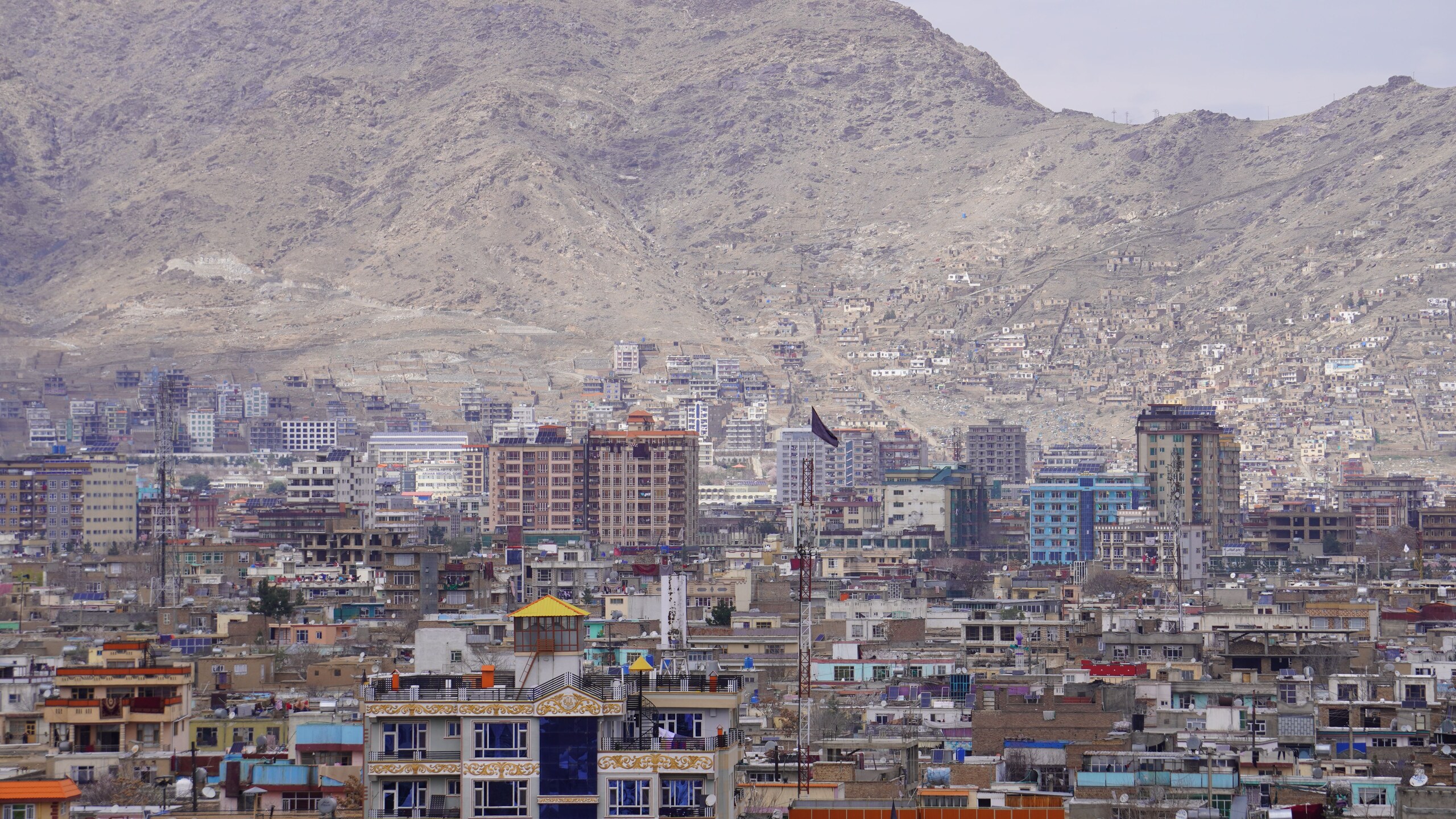
Returnee Afghan migrants are facing significant challenges in finding shelter and dealing with rising rental prices. The private organization “Korona” has taken steps to address this issue.
Afghan Migrants Confront Shelter Issues and High Rental Costs
A group of Afghan migrants who have recently returned from neighboring countries is struggling to secure permanent housing. They have reported high rental prices and a shortage of available homes, making their lives increasingly difficult.
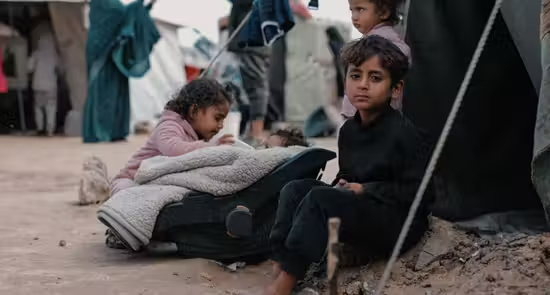
Nematullah, the head of a migrant family that has come from Islamabad to Nangarhar Province, shared that he and his family have been living in poor conditions for nearly two and a half months. “We have set up our tents in someone else’s courtyard. This place doesn’t have proper walls and is just paved with stones,” he said. He noted that their efforts to find shelter have been hampered by exorbitant rental prices.
Common Challenges for Returnee Families
Another returnee, Nazir, who returned to Kabul from Pakistan about four months ago, is facing similar challenges. He stated, “My relatives have no shelter and sometimes go to places where others temporarily accommodate them.” He expressed concern that homeless migrants are encountering multiple hardships.
The Private Organization and the ‘Korona’ App
In response to these issues, a private organization has launched the “Korona” app to provide information about thousands of properties available for rent and sale. Abid Rawan, the app’s manager, explained, “We made this app available to the public six months ago, and so far, 880 listings from various provinces have been registered.”
The app provides users with information about pricing, utilities, and property locations. Rawan claimed that this service has assisted thousands in finding shelter, but public awareness about its availability is still low.
Challenges Beyond Housing Shortages
The shelter problem in Afghanistan is not limited to a lack of houses. Factors such as displacement, natural disasters, and poverty have contributed to this issue. According to the International Organization for Migration’s 2026 response plan, an increase in returnees and the need for emergency shelter are projected, estimating a required budget of $65 million for the coming year.
-

Public Outcry Over Controversial Traffic Police Signage in Afghanistan
-
Families Face Eviction and Homelessness as Winter Approaches in Kabul
-
Fish Prices Soar in Nangarhar Amid Torkham Border Closure
-
Nangarhar Residents Demand Action Amid Rising Housing Rents Due to Migrant Influx
-
Students in Nangarhar and Kunar Demand Improved Educational Conditions Amid Dress Code Focus
-
Rising Tensions in Afghanistan: UN Reports Civilian Casualties from Pakistani Airstrikes