Social updated: November 3, 2026
Short Link:Kabul Women Face Transportation Challenges Amid Economic Strain
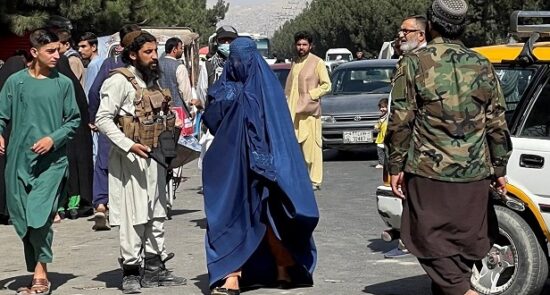
Women in Kabul are voicing their frustrations over significant challenges in using public transportation and the disrespectful behavior of drivers. These issues have compounded their social and economic pressures.
Kabul Women Report Serious Challenges in Urban Travel
Women in Kabul are increasingly discussing the serious difficulties they face when using urban transportation. These challenges deeply affect their daily lives, often forcing them to find alternative means for city travel.
While Taliban officials have not outright banned women from traveling, many drivers exhibit behavior that complicates their ability to use public transport, particularly in accepting female passengers. Residents of the capital indicate that numerous drivers refuse to pick up women, and those who do often double the fare.
Rising Unemployment and Economic Strain on Women
Marwa, a resident of Kabul, shares her experience: “I have often waited for hours at stations while drivers make excuses about a lack of other female passengers.” This situation has added financial strain on vulnerable families.
Lailama, who lives in the Ahmad Shah Baba Mina area, notes that the lack of suitable transportation options forces her to take a rickshaw to school at a cost of three thousand Afghanis per month. In contrast, using public buses could significantly reduce this expense.
Economic and Social Challenges Facing Women
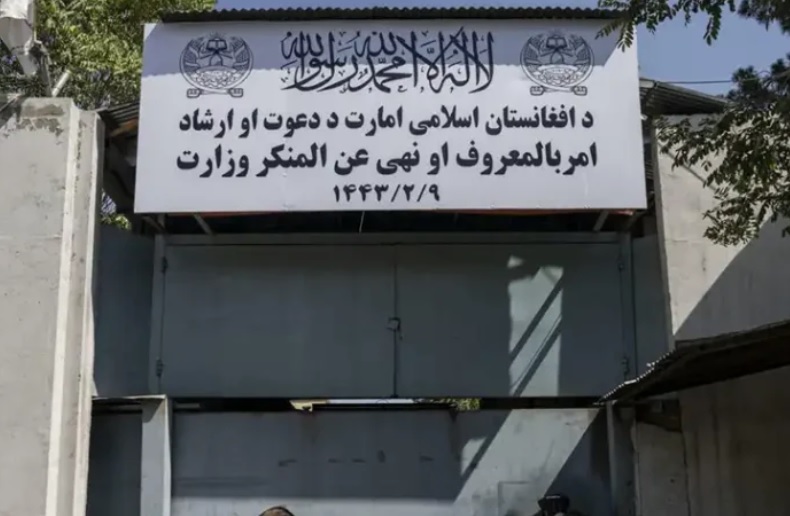
Another woman from the Koteh Sanghi area recalls that some drivers charge 40 Afghanis for a route that typically costs 20 Afghanis. Although the Ministry of Vice and Virtue’s guidelines focus on restricting long-distance travel without a male guardian, the ground realities in urban areas remain unchanged.
United Nations agencies have previously warned about these existing restrictions, emphasizing that they have driven women’s social, professional, and educational participation into a deadlock. Women in Kabul are urging relevant authorities to provide practical solutions to these issues and to prevent unfair fare practices.
-

Taliban Reinforces Controversial Virtue Law Amidst Global Scrutiny
-
Pakistan’s Military Issues Stern Warning to Taliban Amid Rising Tensions
-
Concerns Grow as Taliban Detains Women Over Dress Code Violations in Afghanistan
-
Jihadist Leader Urges Taliban to End Detention of Women, Slams Prison Conditions
-
Pakistan’s Minister Urges Afghanistan to Address Security Concerns Amid Rising Tensions
-
Trade Relations Between Afghanistan and Pakistan Plummet by 95% Amidst Ongoing Tensions