Social September 16, 2026
Short Link:Families in Afghanistan Call for Urgent Educational Reforms as Child Literacy Plummets
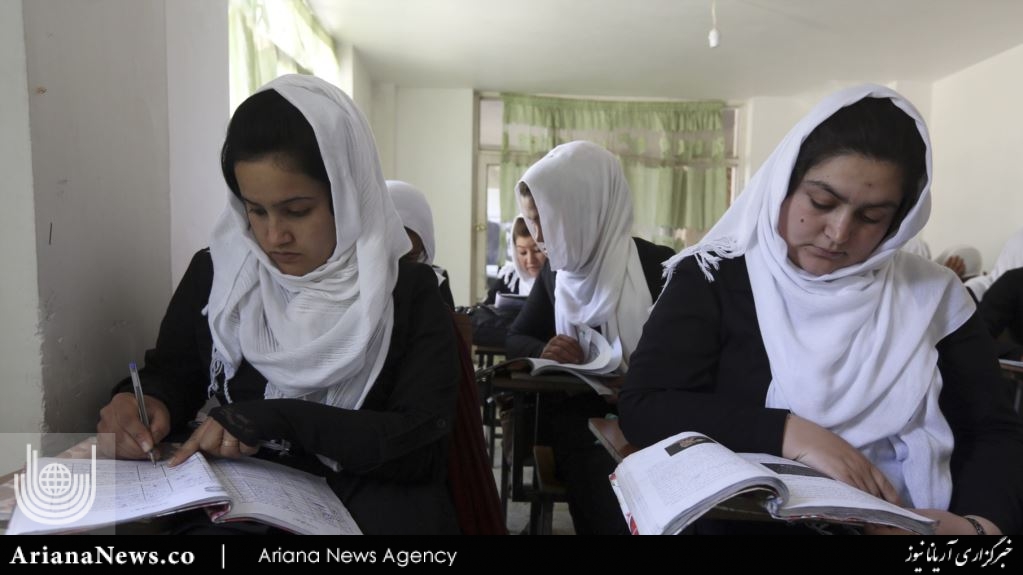
Families in Afghanistan are highlighting educational challenges, noting that many children are struggling with basic reading and writing skills. They are calling for improvements in the quality of education and an increase in the number of qualified teachers.
Children in Afghanistan Face Reading and Writing Difficulties
Many families in Afghanistan are expressing their concerns about their children’s education. They report that despite their children having reached the fourth and fifth grades, they still struggle with basic reading and writing. A resident of the Spin Ghar district in Nangarhar, Alfatullah, explains that not only his children but many other children in the villages of this district lack access to adequate educational resources.
In a conversation with Radio Azadi, Alfatullah stated: “Our children, even after reaching the fifth and sixth grades, still cannot read and write fluently. This situation is alarming for the future of our children.” He further pointed out issues such as a lack of teachers, inadequate learning materials, and insufficient attention to students.
90 Percent of Afghan Children Unable to Read and Write
Interestingly, according to reports from the United Nations, out of every ten 10-year-old children in Afghanistan, nine still lack basic reading and writing skills. Mohammadullah, a resident of Paktika province, corroborates these issues, saying: “In our country, there is indeed a problem with the lack of standard education for our children. Economic difficulties have also compounded the situation, preventing many families from affording private tutoring.”
Families Demand Improvements in Afghanistan’s Educational System
Families of these students are urging responsible institutions to enhance the quality of education and increase the number of qualified teachers. They emphasize the need to provide remedial education for children who have fallen behind. Hikmatullah, a teacher in Nangarhar, also highlighted the challenges within the educational system, stating: “The substandard curriculum has prevented children from learning properly.”
Low Quality of Education Threatens the Future of Afghan Children
These concerns come as Fazlullah Wazeen, an education activist, remarks: “The quality of education in Afghan schools is low. The educational system in Afghanistan needs to become more scientific and academic.” Experts warn that if educational problems are not addressed promptly, this situation will negatively impact the educational and economic future of upcoming generations.
International Organizations: Afghanistan’s Educational Crisis Continues
According to information from international organizations like UNESCO and UNICEF, the educational crisis in Afghanistan extends beyond children’s lack of access to schools; it also significantly involves the declining quality of education. The shortage of skilled teachers and educational resources are among the main challenges in this regard.


