Security September 11, 2026
Short Link:Rising Al-Qaeda Concerns Post-Taliban Takeover: Experts Warn of Security Risks in Afghanistan

Following the Taliban’s reelection to power in Afghanistan, concerns about the activities of Al-Qaeda and other terrorist groups have escalated. Experts are examining the current security situation in the nation.
The Taliban and Rising Concerns Over Terrorist Activities in Afghanistan
The Taliban regained control of Afghanistan in 2021, and since then, UN monitoring groups have noted the re-emergence of Al-Qaeda members within the country. Reports indicate that, thus far, no significant terrorist attacks have been planned from Afghanistan against Western nations. In this context, former military officials and experts have differing opinions.
The Presence of Al-Qaeda in Afghanistan and Its Global Security Risks
Anne Foughemeyer, the former Deputy Ambassador of the United States to Afghanistan, has issued a warning regarding Al-Qaeda’s presence in the country, stating that the current situation is extremely dangerous. She emphasizes that Afghanistan has reverted to pre-September 11 conditions. General H.R. McMaster, a former National Security Advisor in the U.S., has also expressed skepticism about the Taliban’s commitments under the Doha Agreement, deeming it self-deception.
Experts: Afghanistan is Approaching Pre-September 11 Conditions
Colin Clarke, Executive Director of the Soufan Group, described Afghanistan’s situation due to the joint presence of armed groups as a ‘dangerous mix,’ warning that it could explode like a ‘ticking time bomb.’ However, some experts, like Sami Yousafzai, argue that the current conditions are vastly different from the past, noting that Al-Qaeda is significantly weakened at this time.
Challenges Faced by the Taliban in Countering Armed Groups in Afghanistan
Mr. Yousafzai further adds that the key leaders of Al-Qaeda have been eliminated, causing the group to become isolated. Jonathan Sherwood has also stated that the Taliban are likely monitoring Al-Qaeda’s activities to prevent the fallout from potential international attacks.
Can the Taliban Limit Al-Qaeda’s Presence?
Despite the Taliban’s claim that no group will be permitted to use Afghan territory against others, the question remains as to how effectively they can truly restrict these activities. The international community also faces challenges in overseeing this situation.
-

Taliban Intensifies Pressure on Afghanistan’s Shia Community: Educational Institutions Targeted
-
UN Calls for Urgent Action as Afghanistan Faces Deepening Crisis
-
Funding Crisis Threatens Women’s Organizations in Afghanistan
-
Clashes Erupt in Kamdish as Taliban and Afghanistan Freedom Front Engage in Heavy Fighting
-
Herat’s Trade Boom: Exchanges with Kazakhstan Reach $581 Million
-
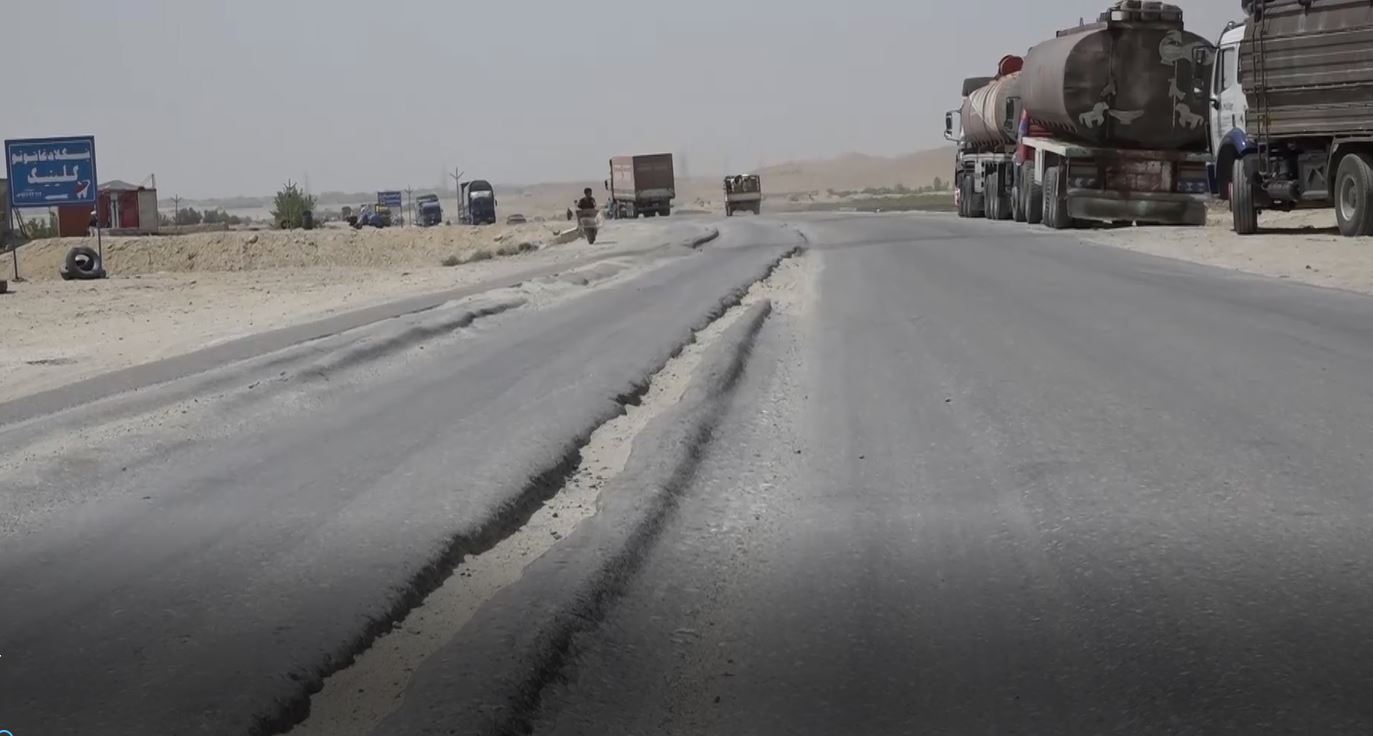
Afghanistan’s Road Crisis: Over 92% Unpaved, Threatening Access to Healthcare