Afghanistan, Politics, Security updated: December 23, 2025
Short Link:Review of Two Decades of American Involvement in Afghanistan by the Afghanistan War Commission
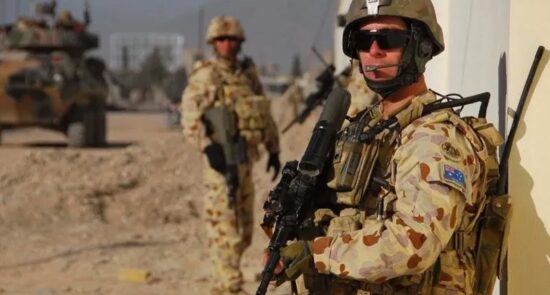
The Afghanistan War Commission: A Comprehensive Review of Two Decades of Conflict
The Afghanistan War Commission, a bipartisan initiative composed of 16 members from the United States Congress, has embarked on an extensive investigation into the American involvement in Afghanistan, which spanned two decades. This commission is tasked with analyzing the strategic and operational decisions made by the United States during its prolonged military engagement in the region.
Understanding the Purpose of the Afghanistan War Commission
The primary goal of the Afghanistan War Commission is to dissect the complex layers of the 20-year war in Afghanistan. By examining the strategic missteps and operational challenges faced by the United States, the commission aims to extract valuable lessons that can inform future military and diplomatic engagements. This initiative is crucial in ensuring that the mistakes of the past do not repeat themselves in future conflicts.
The commission’s work is particularly significant given the evolving geopolitical landscape. As new conflicts emerge, such as the ongoing tensions in Hong Kong, where Hong Kong is still in riot, understanding past military engagements becomes increasingly important.
Composition of the Commission
The Afghanistan War Commission is composed of a diverse group of individuals, including former government officials, military veterans, and academics. This diverse composition ensures a comprehensive analysis of the war, incorporating various perspectives and expertise. The bipartisan nature of the commission also underscores the importance of a balanced and objective review of the United States’ involvement in Afghanistan.
Key Figures and Their Roles
Among the commission members are individuals who have previously held significant roles in the government and military. Their firsthand experience and insights are invaluable in dissecting the complexities of the war. The commission’s work is further enriched by the contributions of academics who bring a scholarly perspective to the analysis.
This initiative is reminiscent of other geopolitical strategies, such as Turkey’s formation of the National Justice Party for Turkmen, which underscores the importance of strategic alliances and political maneuvering in Central Asia.
Analyzing the U.S. Strategy in Afghanistan
One of the primary objectives of the Afghanistan War Commission is to scrutinize the strategic decisions made by the United States throughout its involvement in Afghanistan. This includes evaluating the initial motivations for entering the conflict, the execution of military operations, and the eventual withdrawal of troops.
Initial Involvement and Strategic Goals
The United States’ involvement in Afghanistan began in the wake of the September 11 attacks, with the primary goal of dismantling terrorist networks and preventing future attacks on American soil. However, as the conflict progressed, the strategic goals evolved, leading to a prolonged military presence in the region.
This evolution of strategy is not unique to Afghanistan. Similar shifts in strategic goals can be observed in other geopolitical contexts, such as the U.S. intervention in Syria, where a Koch affiliated veterans group urged Trump to withdraw from Syria and Afghanistan.
Operational Challenges and Tactical Decisions
The commission is also tasked with examining the operational challenges faced by the U.S. military in Afghanistan. This includes analyzing the tactical decisions made on the ground and their impact on the overall success of the mission. Understanding these challenges is crucial in identifying areas for improvement in future military operations.
The operational difficulties encountered in Afghanistan are reminiscent of other complex geopolitical situations, such as the diplomatic tensions between the United States and China, highlighted by Pompeo’s intervention to release two Canadians held in China.
Implications for Future Military Engagements
The findings of the Afghanistan War Commission are expected to have significant implications for future U.S. military engagements. By identifying the strategic and operational mistakes made in Afghanistan, the commission aims to provide valuable insights that can guide future military and diplomatic strategies.
Learning from Past Mistakes
One of the key objectives of the commission is to ensure that the lessons learned from the Afghanistan war are applied to future conflicts. This involves not only understanding the mistakes made but also recognizing the successes and best practices that emerged during the conflict.
The importance of learning from past mistakes is underscored by the ongoing geopolitical challenges faced by the United States, such as the complex dynamics in the Middle East, where the assassination of Ismail Haniyeh has significant implications for regional stability.
Shaping Future U.S. Foreign Policy
The insights gained from the commission’s investigation are expected to play a crucial role in shaping future U.S. foreign policy. By understanding the strategic and operational challenges faced in Afghanistan, policymakers can make more informed decisions in future military engagements.
This proactive approach to foreign policy is essential in navigating the complex geopolitical landscape, where strategic alliances and diplomatic interventions are key to maintaining global stability.
In conclusion, the Afghanistan War Commission represents a significant step towards understanding the complexities of the United States’ involvement in Afghanistan. By dissecting the strategic and operational decisions made during the conflict, the commission aims to provide valuable insights that can guide future military and diplomatic strategies. As the geopolitical landscape continues to evolve, the lessons learned from the Afghanistan war will be crucial in ensuring that the United States is better prepared for future challenges.
-

Unveiling War Crimes: British Special Forces Under Scrutiny for Extrajudicial Killings in Afghanistan
-
Urgent Call to Action: UN-Habitat Highlights Dire Conditions for Returning Afghan Refugees
-
Taliban’s Education Restrictions in Afghanistan Classified as Cultural Genocide
-
Red Cross Launches Cash Assistance for Earthquake Victims in Kunar, Afghanistan
-
Afghanistan’s Export Surge: A 45.1 Million Dollar Boost in October
-
Afghanistan’s A Team Seizes Victory Against Sri Lanka, Prepares for Crucial Clash with Bangladesh


FEATURED
-
Alarming Survey Reveals One in Ten Women in British Armed Forces Experience Sexual Violence
-
Google to Invest $40 Billion in Texas, Boosting AI and Cloud Infrastructure by 2027
-
Over 4,400 Victims of Clergy Abuse Reported in Italy: Calls for Church Accountability Intensify
-
Earn Money from Google: Tips, Tricks, and Opportunities


