Economic updated: November 3, 2026
Short Link:Taliban Justice Minister Accused of Forcibly Seizing Homes from Shia Citizens in Kabul
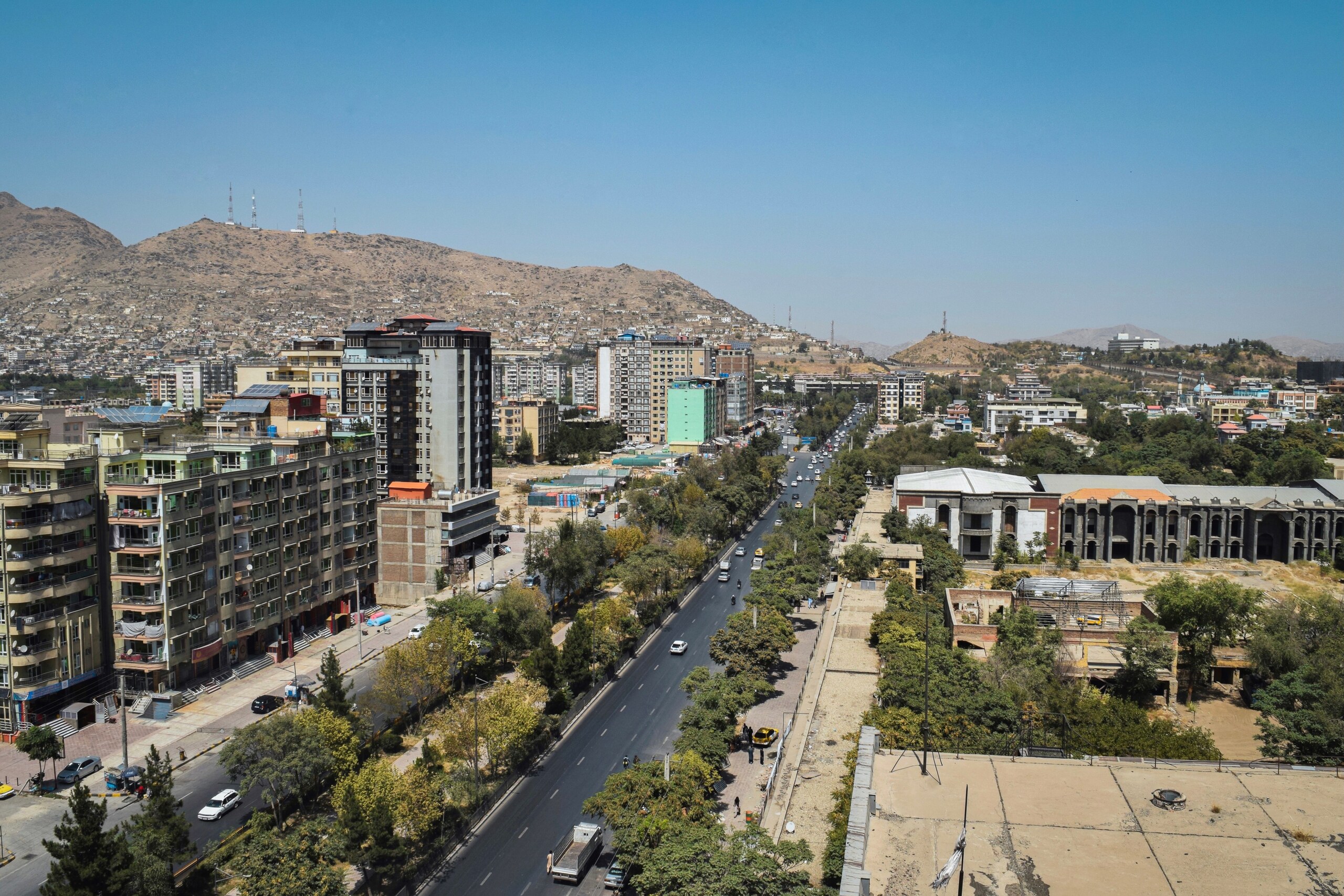
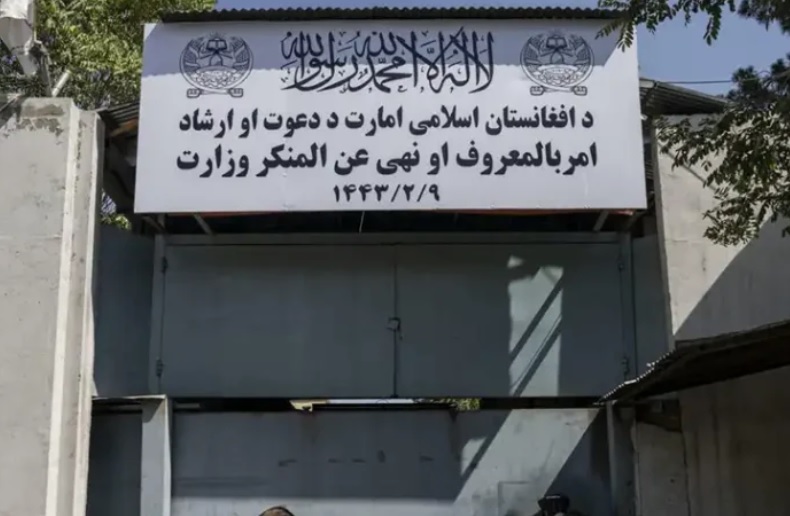
Abdul Hakim Shar’i, the Taliban’s Minister of Justice, is accused of forcibly seizing ten houses belonging to Shia citizens in Kabul. This act contradicts the government’s commitments to uphold minority rights.
Seizure of Shia Houses in Kabul’s Senatorium Area
Reports indicate that Abdul Hakim Shar’i, Minister of Justice in the Taliban’s acting government, has forcibly acquired ten residences belonging to Shia citizens in the Senatorium area of Kabul. These properties had previously been taken under the pretext of being usurped from their original owners.
Available information suggests that instead of returning these properties to the public treasury, the Minister has opted to demolish them while annexing the surrounding land for the construction of an extravagant garden and estate.
Contradiction in Taliban Government Policies
This incident has surfaced at a time when Taliban officials have consistently emphasized preventing the usurpation of state and personal properties. However, evidence indicates that certain government figures are encroaching on the assets of religious minorities.
According to Islamic jurisprudence principles, particularly within Sunni Islam and Hanafi law, usurpation and wrongful possession of others’ property are strictly prohibited. Legal texts assert that any claim over usurped property is invalid, and the usurper is obligated to return it to its rightful owner.
Social and Legal Consequences
Religious experts believe that the confiscation of citizens’ property without following legal procedures and without valid documentation constitutes a violation of human rights and social justice. Such actions foster discontent and tension within society, conflicting with the principles of Islamic justice.
-

Taliban Reinforces Controversial Virtue Law Amidst Global Scrutiny
-
Taliban Leader Hibatullah Akhundzada Named Among Key Threats to Media Freedom Worldwide
-
Taliban Expresses Concern Over U.S. Plans to Transfer Afghan Refugees to Pakistan
-
Pakistan’s Military Issues Stern Warning to Taliban Amid Rising Tensions
-
Concerns Grow as Taliban Detains Women Over Dress Code Violations in Afghanistan
-

Escalating Border Conflicts: Taliban and Pakistan Exchange Accusations Amidst Violence in Angoor Ada