Economic updated: November 3, 2026
Short Link:Pakistan Auctions Afghan Traders’ Goods Amid Ongoing Border Disruptions

The customs authorities in Pakistan have put Afghan traders’ commercial shipments up for auction due to border closures. This decision stems from storage issues and the traders’ inability to cover costs.
Auction of Afghan Traders’ Goods at Karachi Port
At the Karachi port in Pakistan, customs officials have begun auctioning the commercial shipments of Afghan traders because of blocked border crossings and delays in transporting goods. The heavy demurrage fees and high storage costs are considered the primary reasons behind this decision.
Legal Opportunities for Traders
Muttaqullah, an Afghan trader and logistics expert, informed the media that the auction process for these goods had commenced several days ago. He also pointed out that traders can still take legal measures through Pakistani courts to prevent the sale of their goods.
Comments from Trade Chamber Officials
Mohammad Younus Momand, head of the Afghan division in the Global Economic Network and a former official of the Trade Chamber, emphasized that the containers being auctioned belong to Afghan traders who have been unable to clear them due to their inability to pay storage fees. Chamber officials have deemed Pakistan’s action as inconsistent with international transit laws and agreements.
Impact of Kabul-Islamabad Relations
As tensions escalate between the Afghan interim government and Islamabad, Pakistani officials had earlier this year issued temporary clearance permits for shipments. Initially, about 15,000 containers were reportedly held up; while traders managed to transfer a significant portion, hundreds of containers still remain at Karachi port.
Security Challenges and Economic Future
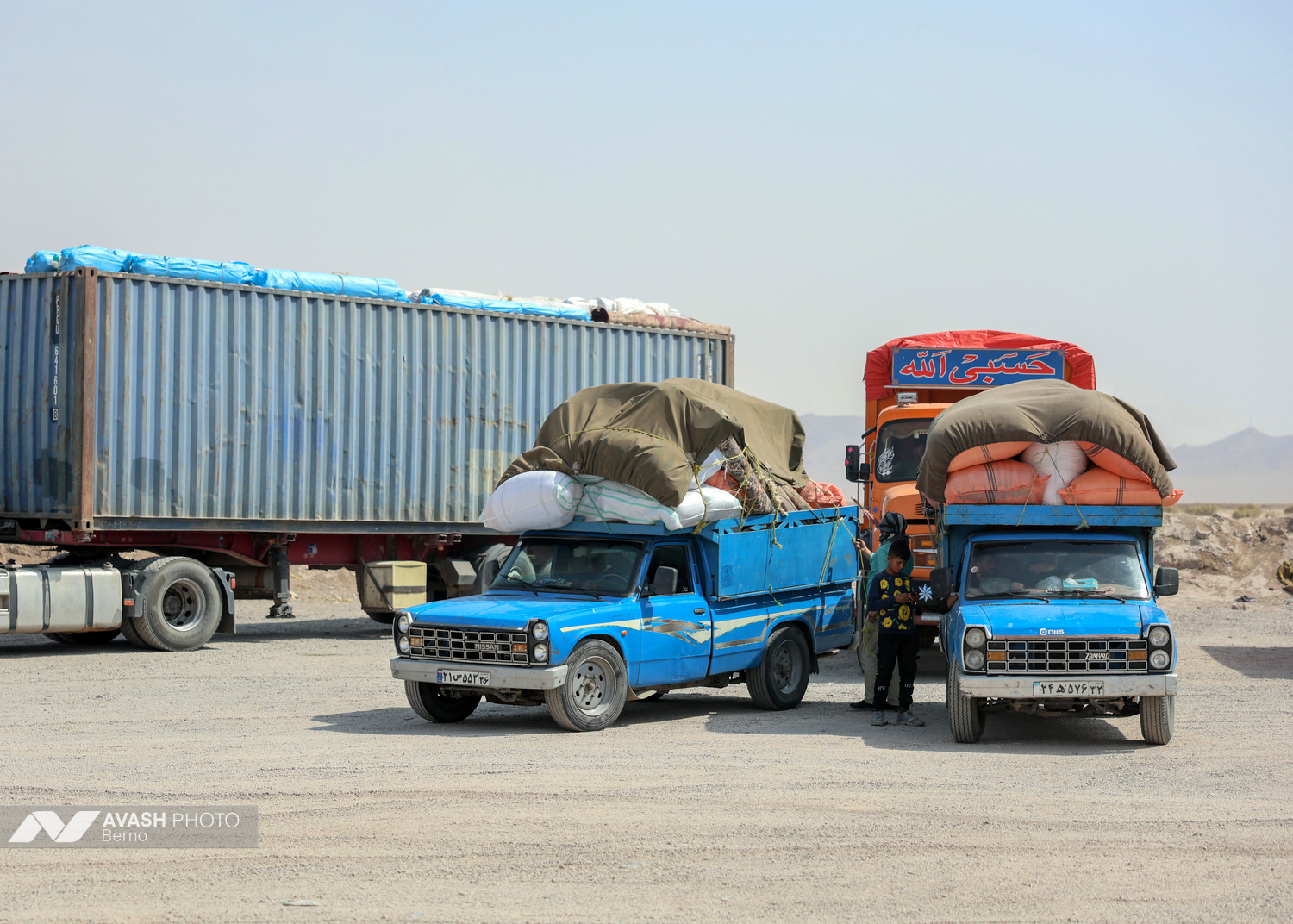
Kabul has repeatedly accused Islamabad of exploiting economic relations, while Pakistan claims that security challenges are the main reason for the border closures. Multilateral talks in Doha, Istanbul, and Riyadh have yielded no results, reducing hopes for reopening crossings. This situation has affected Pakistan’s position as Afghanistan’s largest trading partner, while increasing transit options through Iran.
-

UNHCR Clarifies Stance on Afghan Refugee Transfer Amid Growing Concerns
-
Taliban Expresses Concern Over U.S. Plans to Transfer Afghan Refugees to Pakistan
-
U.S. State Department Denies Plans to Deport Afghan Immigrants to Pakistan
-

Escalating Border Conflicts: Taliban and Pakistan Exchange Accusations Amidst Violence in Angoor Ada
-
Experts Warn Taliban Opposition’s Ties to Pakistan Could Undermine Credibility
-
Pakistan to Begin Expulsion of Undocumented Afghan Refugees in Peshawar