Economic updated: November 3, 2026
Short Link:Kandahar Fig Prices Plummet 50% Amid Border Crossing Blockages
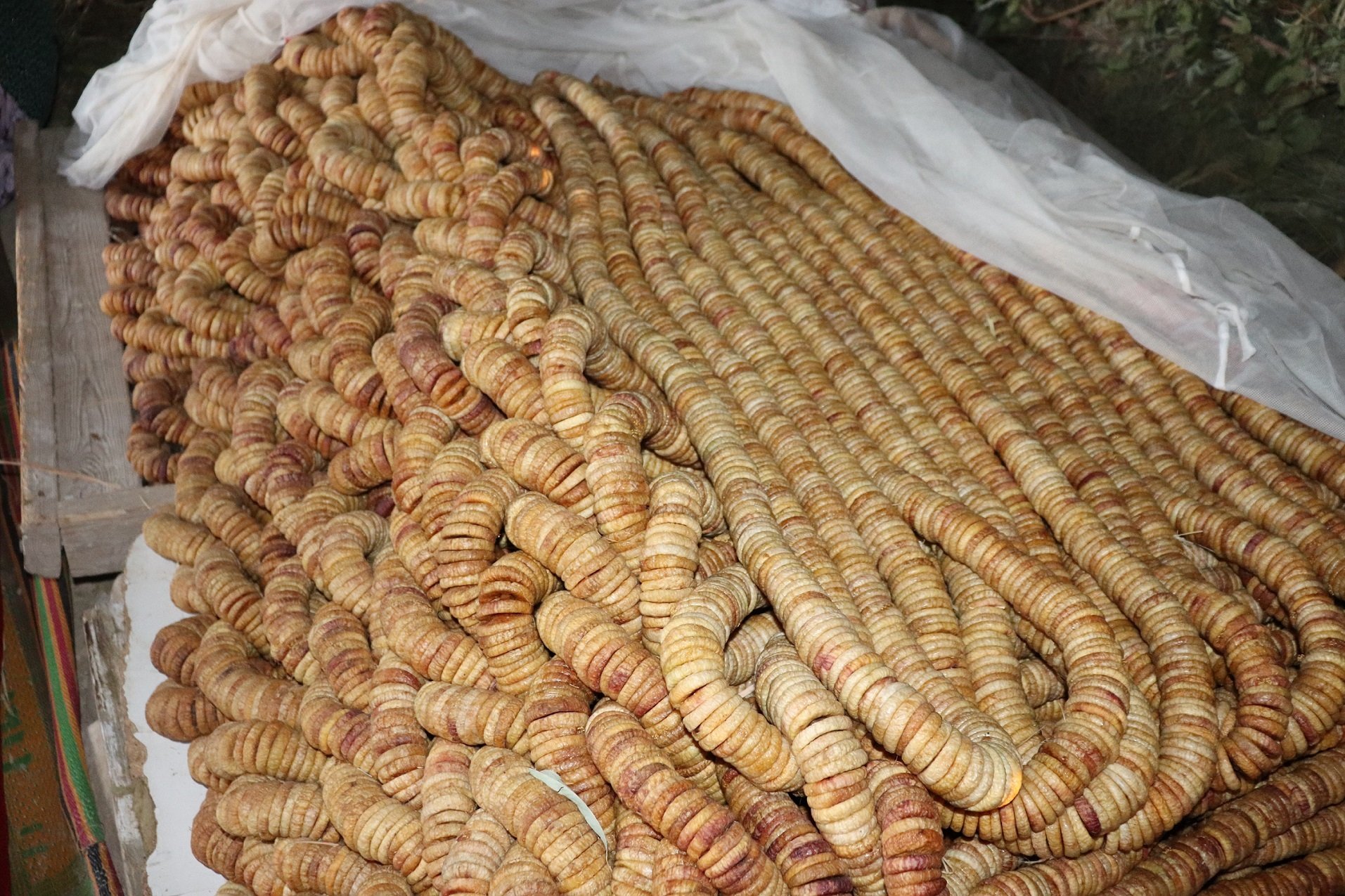
The price of figs in Kandahar has dropped by as much as 50% due to border crossings being blocked, leading to stagnation in the market.
Plummeting Fig Prices in Kandahar Due to Transit Issues
Reports from southern Afghanistan indicate a significant decline of 50% in the price of dried figs in Kandahar province compared to last year. This situation has arisen from the closure of border crossings with Pakistan and a rise in transit costs.
Both wholesalers and buyers in Kandahar have expressed that the closure of trade routes has severely reduced the buying power of merchants, with the transit time for goods to reach export markets, including India, increasing from 10 days to nearly two months. This delay has resulted in substantial financial losses for traders and farmers alike.
Export Challenges and Market Stagnation for Figs
The Afghanistan Dry Fruit Exporters Union has underscored the transit challenges and congestion at export ports, noting that traditional packaging methods and non-compliance with international standards by some companies in Kandahar have diminished global demand for figs.
Currently, a portion of fig exports is being rerouted through alternative paths, such as Iran, the UAE, Turkey, and air routes. The closure of the Torkham and Chaman-Spin Boldak crossings due to border conflicts, as well as the blockage of the Atari-Wagah corridor between India and Pakistan, has posed serious challenges to the dry fruit trade in Afghanistan.
Thus far, officials from the Taliban’s Ministry of Industry and Trade have not provided clear responses regarding supportive measures. This situation has raised serious concerns for fig farmers and exporters in Kandahar.
-

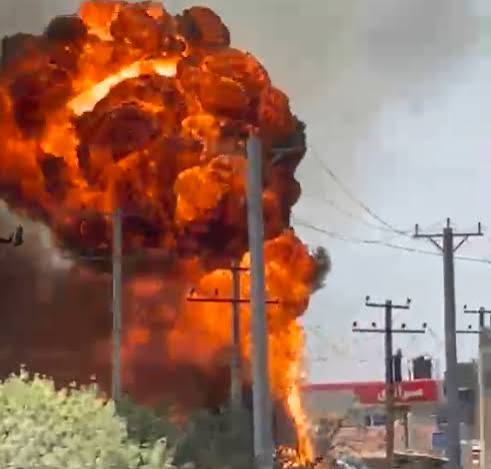
Major Blaze Erupts Near Mehand Hospital in Kandahar
-
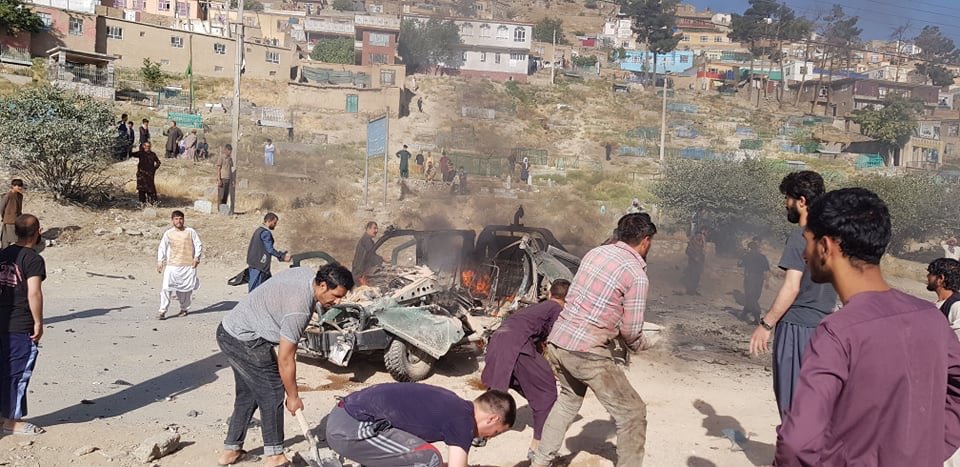
Devastating Traffic Accident Claims 20 Lives in Kandahar’s Daman District
-

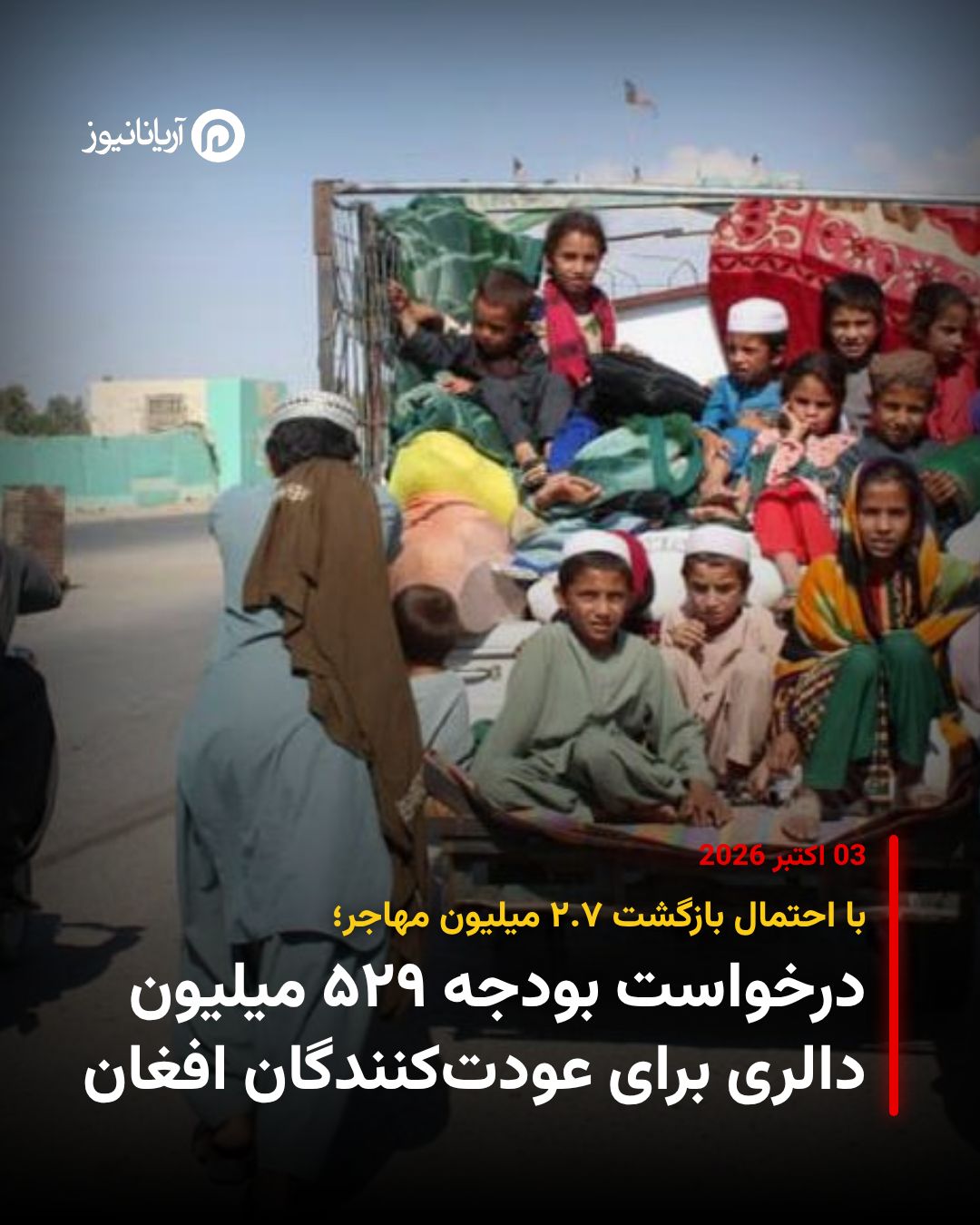
Over 680 Afghan Refugees Return Home in a Single Day
-
Concerns Rise as Chinese Tourists Convert to Islam in Kandahar
-
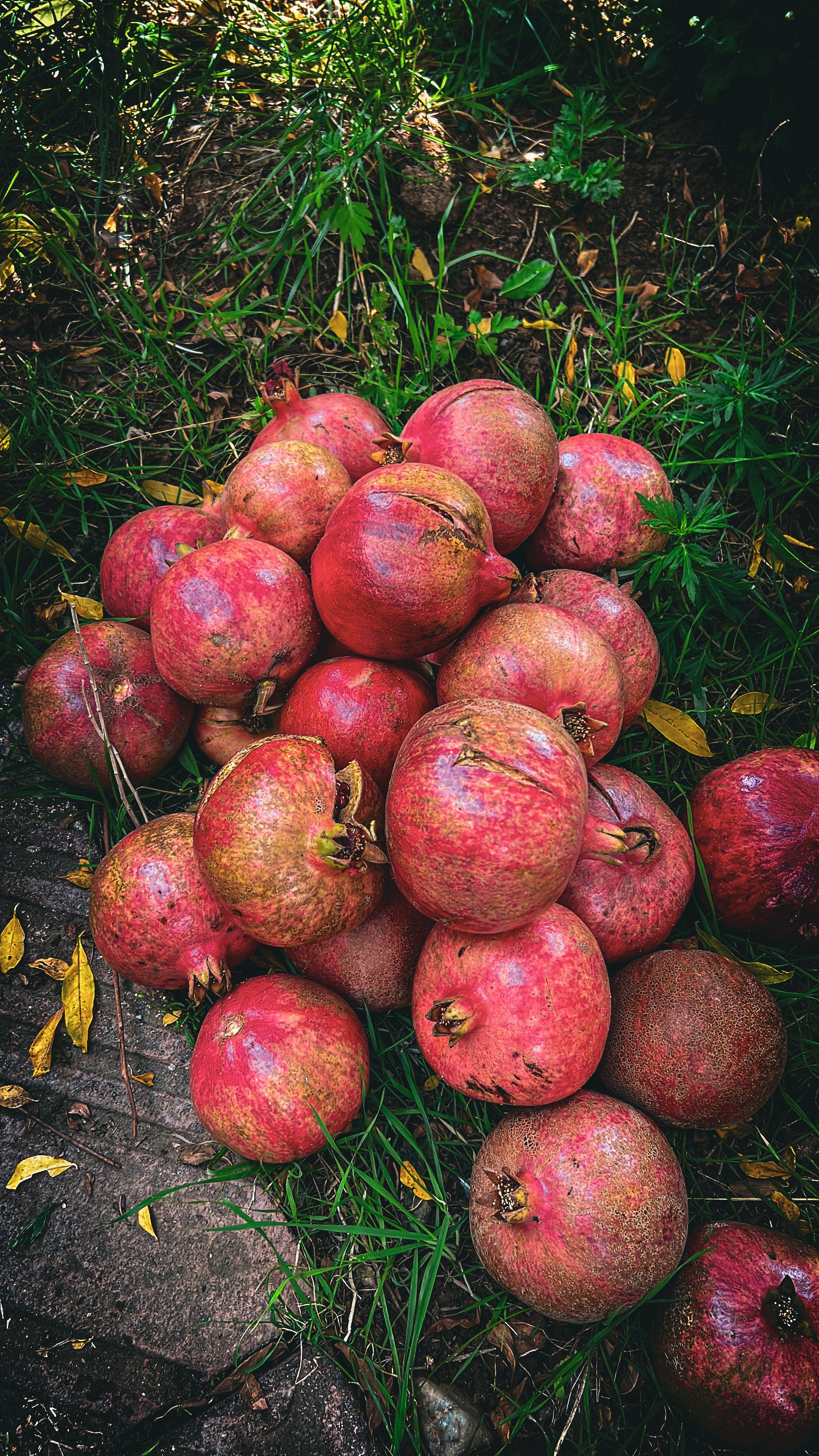
Kandahar Pomegranate Farmers Face Crisis Amid Declining Yields and Prices
-
Taliban Condemns Pakistani Airstrikes, Promises Strong Response