Economic updated: November 3, 2026
Short Link:Afghanistan Faces Fuel Price Surge Amid Heavy Import Dependency
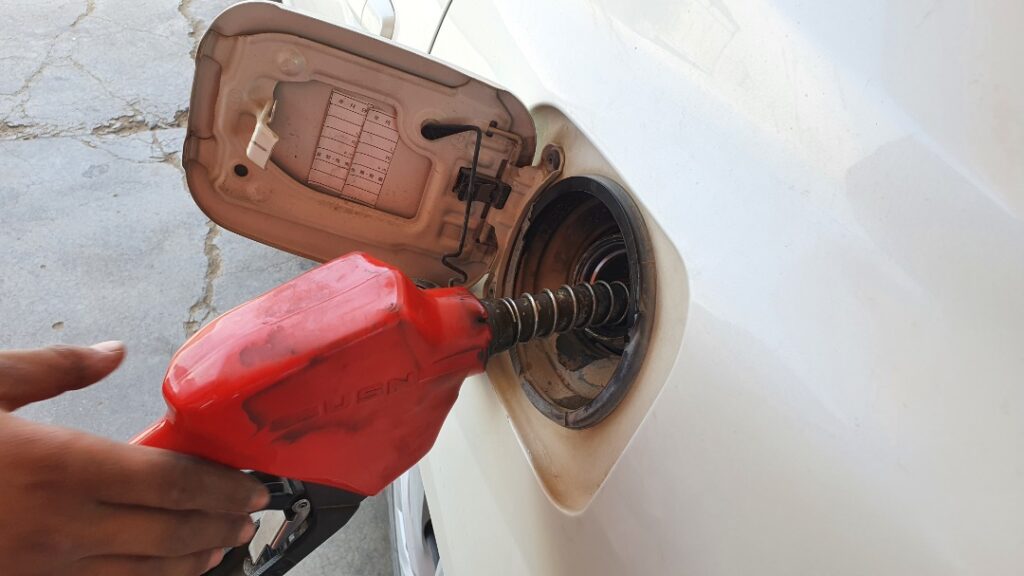
The rise in fuel prices in Afghanistan is highly noticeable, given the country’s 85% reliance on imports. Analysts emphasize the need for investment in the oil and gas sector.
Fuel Prices in Kabul Reach 89 and 79 Afghani
The increasing prices of petrol, diesel, and liquefied gas in Afghanistan have once again highlighted the country’s dependency on energy imports. Currently, 85% of the nation’s energy needs are fulfilled by neighboring countries, particularly Iran.
Following recent military tensions and international sanctions, the price of a liter of petrol in Kabul has surged to 89 Afghani, while diesel has reached 79 Afghani per liter. Additionally, the cost of liquefied gas has climbed to 65 Afghani per kilogram.
Afghanistan Moves Toward Crude Oil Extraction
The Ministry of Mines and Petroleum announced in the second month of this solar year that 500 metric tons of crude oil are being extracted daily from the Emerald Fields in the Amu Darya basin. Furthermore, a $14 million contract has been signed with the Tatarstan Group TNG for a preliminary refining facility capable of processing 2,000 tons of oil per day.
However, technical experts indicate that initial refining still lags far behind the production of standard petrol and diesel. The cancellation of a contract with the Chinese company ‘Afechin’, due to its failure to meet commitments in June 2024, has further slowed progress in the northern sector.
New Oil Exploration Contract in Herat
On September 8 of this year, officials from the Ministry of Mines signed a new contract worth $200 million with a Saudi company for exploration and extraction in the Kashk-Kohna-Tirpol area of Herat province.
Abdul Qadir Motafi, a former spokesperson for the Ministry of Mines, along with economic expert Nasirullah Rahmani, stressed that despite estimated reserves of 1.6 billion barrels of crude oil, without substantial investment and the construction of advanced refineries, the current fuel crisis in the market cannot be swiftly addressed.
-

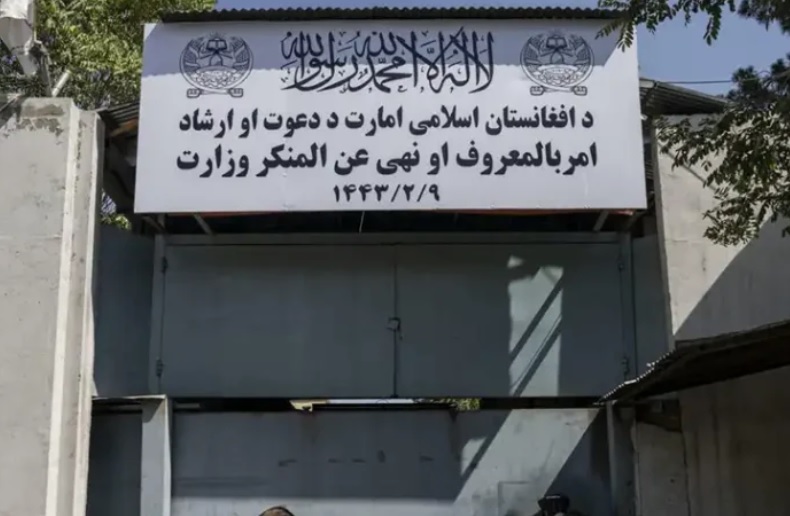
Taliban Reinforces Controversial Virtue Law Amidst Global Scrutiny
-
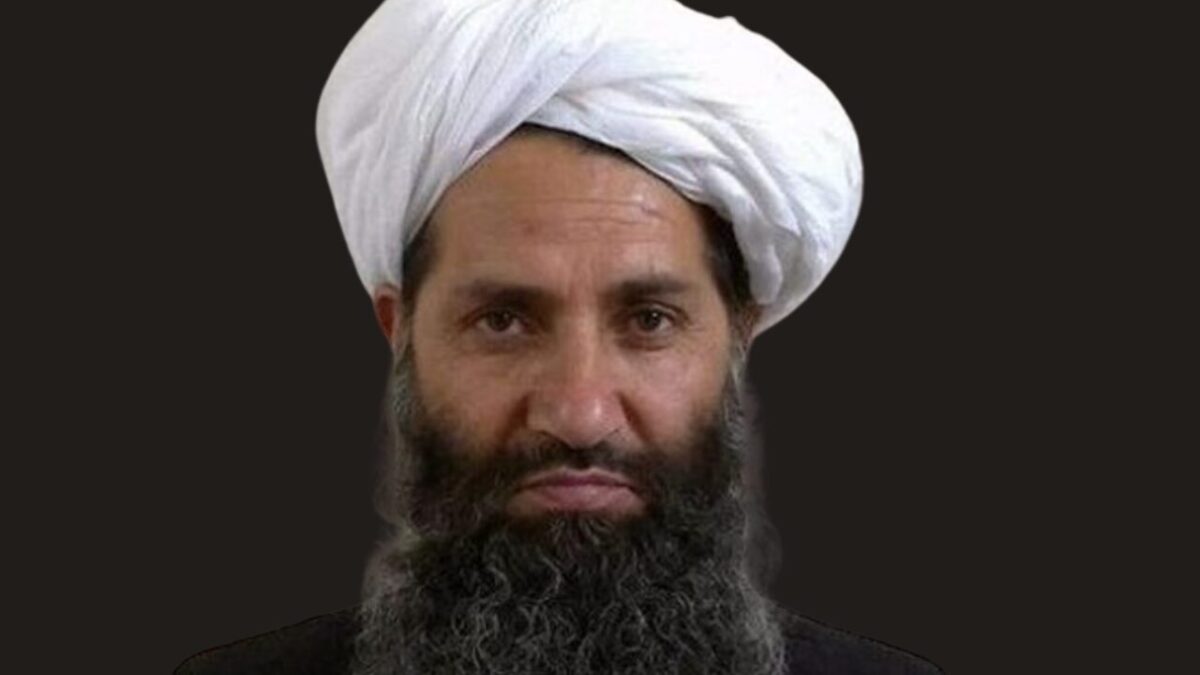
Taliban Leader Hibatullah Akhundzada Named Among Key Threats to Media Freedom Worldwide
-
Pakistan’s Military Issues Stern Warning to Taliban Amid Rising Tensions
-
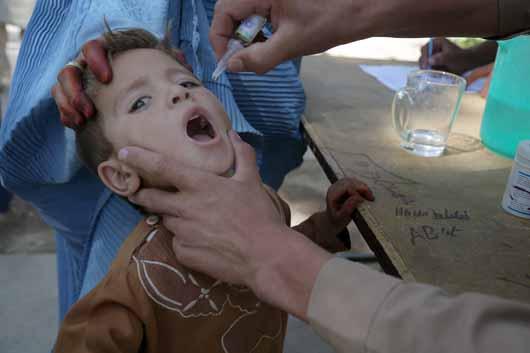
National Polio Vaccination Campaign Launches in Afghanistan
-
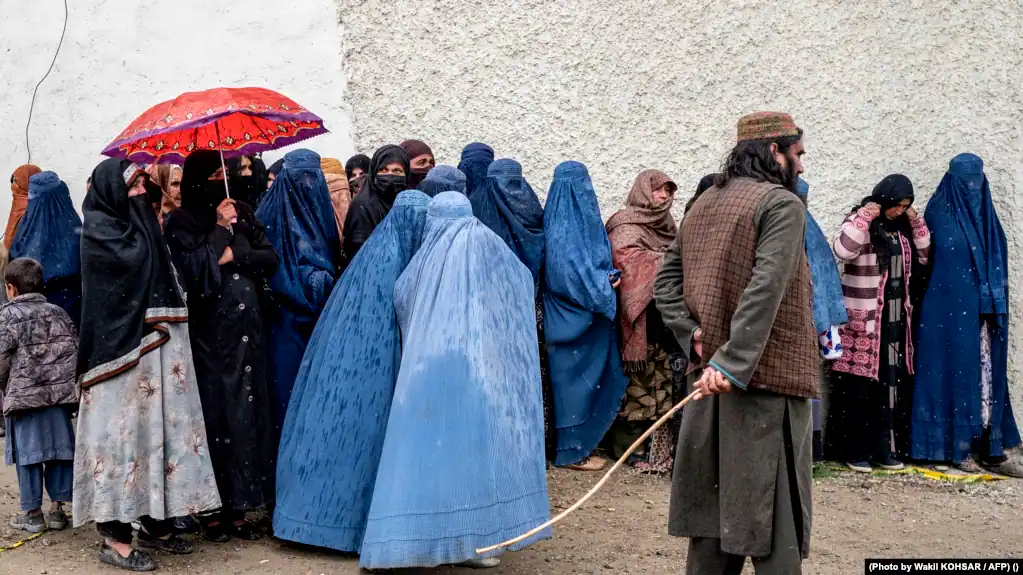
Concerns Grow as Taliban Detains Women Over Dress Code Violations in Afghanistan
-
UNICEF Urges Urgent Vaccination Efforts as Polio Cases Rise in Afghanistan